
Watering
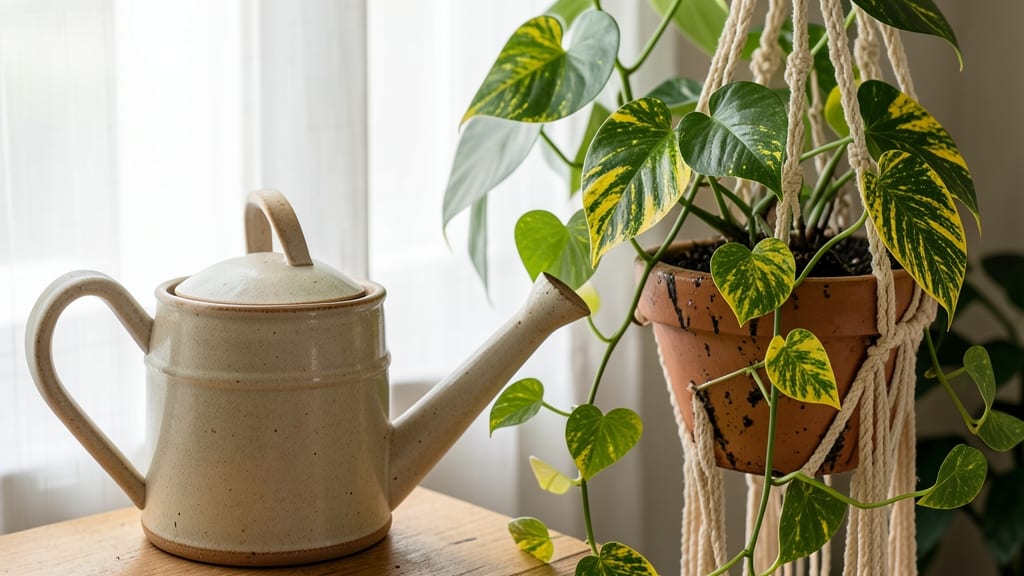
Watering your money plant 💵 the right amount keeps its leaves lush and vibrant, not crispy or drooping.
Overwatering or underwatering your money plant (Pachira aquatica) can turn its lush green leaves into sad, brown edges—or worse, kill it entirely.
Most gardeners struggle with finding that sweet spot between soggy soil and thirsty roots. The good news? A simple soil-moisture check and seasonal tweaks are all you need to keep your plant thriving year-round.
Below, I’ll break down the exact watering schedule by season, signs your plant is thirsty (or drowning), and pro tips to adjust for humidity, pot size, and even your local climate.
How often to water money plants: the exact schedule by season
Your money plant (Pachira aquatica) thrives on consistency, but its water needs shift dramatically with the seasons. Unlike drought-tolerant succulents, money plants prefer slightly moist soil—never soggy. The key is checking soil moisture and leaf health before reaching for your watering can.
In my experience, spring and summer demand frequent watering, while fall and winter slow down the schedule to prevent root rot.
Most gardeners overestimate how often money plants need water, especially in cooler months. I’ve seen yellowing leaves and drooping branches from both overwatering and underwatering—both are fixable with the right routine. The solution?
A seasonal watering schedule based on your plant’s signals, not just a calendar. Let’s break it down by season so you can keep your money plant’s leaves plump and vibrant year-round.
⚠️ CRITICAL NOTE: Money plants stored indoors near heaters or AC units dry out faster. Adjust your schedule if your home’s humidity levels drop below 40%. A simple pebble tray can help maintain moisture without overwatering.
Spring is when your money plant wakes up from its winter dormancy. I start watering more frequently in March or April, when new growth appears.
Test soil moisture by sticking your finger 1-2 inches deep—if it feels dry, it’s time to water. Morning watering is ideal because it allows excess moisture to evaporate before nightfall, reducing fungal risks.
During summer’s heat, money plants drink more water, but their roots also dry out faster. I increase my watering frequency to every 3-5 days, but I always check the soil first. Overwatering in summer leads to root rot, which shows as black stems or mushy leaves.
If your plant’s leaves feel lightweight or crispy, it’s thirsty—water thoroughly until it drains from the pot’s bottom.
Fall slows down growth, so I reduce watering to every 7-10 days. The cooler temperatures mean your money plant uses less water, and the soil stays moist longer. Look for wrinkled leaves as a sign it’s time to water.
In my USDA Zone 6a garden, I also move potted money plants to shadier spots to prevent stress from temperature swings.
Winter is the easiest season for money plant care—just cut back drastically. I water every 10-14 days and use even less water (about half a cup). Yellow leaves in winter are normal, but brown, crispy edges mean your plant is too dry.
Grouping plants together creates a microclimate that retains humidity, which helps during dry indoor heating seasons.
Pro tip: Use a moisture meter for accuracy, especially if you’re new to money plant care. I keep one near my windowsill to track soil conditions without guessing.
Remember, well-draining soil is non-negotiable—mix in perlite or orchid bark to prevent waterlogging. Your money plant’s roots need air as much as water!
Finally, adjust your schedule based on your plant’s pot size. Smaller pots dry out faster, while large containers hold moisture longer. If you notice white crust on the soil surface, it’s mineral buildup from tap water—flush the soil with distilled water every few months to keep roots healthy.
With this seasonal guide, your money plant will stay lush, green, and full of good fortune
Money plant watering mistakes that kill leaves (and how to fix them)
Your money plant’s leaves tell a story—wilting, brown edges, or yellowing spots are all watering red flags you can’t ignore. I’ve seen even experienced gardeners make these same mistakes, thinking their plant just "doesn’t like them."
The truth? Most money plant struggles start with watering habits that either drown roots or leave them parched.
Let’s tackle the top 3 watering mistakes that turn vibrant green leaves into sad, crispy messes—and how to fix them before it’s too late. Trust me, your money plant will thank you with lush, happy foliage in no time.
⚠️ Warning: These 3 Mistakes Are Killing Your Money Plant
1. Overwatering causes root rot—soil stays soggy for days, cutting off oxygen to roots. Fix: Let top 1-2 inches of soil dry before watering again.
2. Underwatering leads to crispy brown edges—leaves curl and drop when roots get desperate. Fix: Water thoroughly when soil feels dry 1 inch deep.
3. Ignoring humidity stresses leaves, making them droop or yellow. Fix: Mist leaves weekly or place pot on a pebble tray with water.
First, let’s talk about overwatering, the silent killer of money plants. I’ve seen pots with drainage holes clogged by compacted soil, trapping excess water at the roots. Your plant can’t breathe—literally.
Roots need oxygen to absorb nutrients, and soggy soil suffocates them. Check your pot’s drainage: if water pools after 10 minutes, it’s time to repot with well-draining soil mix (cactus soil works great).
Next, underwatering is just as deadly but shows up differently. Your money plant’s leaves will start cracking along the edges or turning yellow at the tips—this is its way of screaming for help.
The fix? Water deeply until it drains from the bottom, then wait until the top inch of soil feels dry to touch. Pro tip: Use your finger—it’s the best moisture meter you own!
Don’t overlook seasonal changes, either. In winter, your money plant’s growth slows, so it needs half the water it does in summer. I once let my plant sit in a dry corner all winter, only to find crispy leaves when spring rolled around.
Adjust your watering schedule: every 10-14 days in winter vs. every 5-7 days in summer. A simple calendar reminder saves lives!
Finally, humidity matters. Indoor air—especially from heaters or AC—dries out leaves faster than you think. If your money plant’s leaves feel paper-thin or dusty, it’s time to boost humidity.
Place the pot on a tray of pebbles with water (not touching the pot) or mist the leaves 2-3 times a week. Your plant will perk up within days!
Remember, your money plant is resilient—it just needs consistent care. Start with these fixes, and you’ll see those glossy green leaves return faster than you expect. Happy watering! 💧🌿