
Flowers
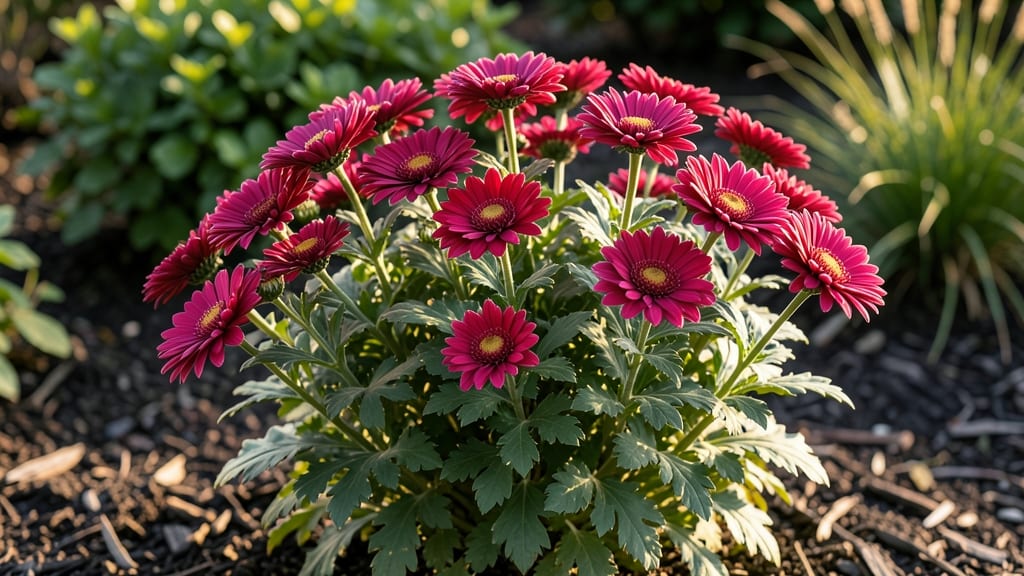
Growing perennial mums flowers that return year after year starts with the right site and variety. 🌱 These cold-hardy blooms thrive in zones 5-9, but most gardeners overlook the simple soil and sunlight tweaks that make them multiply like weeds.
I’ve watched my patch triple in size each spring—no fancy tricks, just consistent care.
The secret lies in 6 hours of sunlight daily and well-draining soil with a slightly acidic pH. Amend heavy clay with compost, and avoid soggy spots—they hate wet feet.
Plant in early fall for established roots before winter, or divide clumps in spring when growth resumes. Just dig, separate, and replant.
By summer’s end, you’ll see bold, repeat blooms in shades from gold to burgundy. The key is deadheading spent flowers and a light fertilizer in early spring. My plants now spread effortlessly, filling gaps where other perennials fade.
Works for borders, containers, or mass plantings. Here’s how to keep them thriving through seasons—no black thumb required.
📚 In This Guide
- What you need
- Instructions
- Tips and common mistakes
- Wrapping up and next steps
What you need
- ● Perennial mum plants: 10–20 plants (depending on garden size; choose cold-hardy varieties like Chrysanthemum morifolium 'Dwarf' or 'Hardy' types)
- ● Soil: Well-draining, fertile garden soil (amend with compost or organic matter if soil is heavy or clay-based)
- ○ Optional: Perlite or sand (1 part per 3 parts soil) for improved drainage
- ● Fertilizer: Balanced 10-10-10 fertilizer (1–2 tbsp per plant at planting time)
- ● Slow-release rose or flower fertilizer (for ongoing nutrition)
- ● Tools: Garden trowel or transplant spade
- ● Garden gloves (to protect hands from thorns and soil)
- ● Watering can or hose with a gentle spray nozzle
- ● Pruners (for shaping and deadheading)
- ● Mulch: Straw, shredded bark, or pine needles (2–3 inches thick) to retain moisture and suppress weeds
- ● Stakes or cages: For tall varieties to prevent flopping in wind or rain
- ● Epsom salt: (1 tbsp dissolved in 1 gallon of water) for magnesium boost (especially for yellowing leaves)
- ● Seed packets: If starting from seed (requires patience—germination can take 10–21 days!)
- ● Garden markers: To label varieties and track planting dates
How to grow cold-hardy perennial mums that return year after year
Here’s my foolproof method for establishing perennial chrysanthemums that multiply, spread, and deliver bold color season after season.
🌱 Step 1: Select the Right Varieties for Your Climate
Not all mums are perennial—look for cold-hardy varieties like ‘Autumn Carousel,’ ‘Mammoth,’ or ‘Fireball.’ These thrive in zones 3-9 and return reliably. I avoid hybrid garden mums (like those sold in fall pots) because they’re bred for one-season blooms. Instead, prioritize hardy types that form strong root systems.
Check your zone’s first frost date. Plant at least 6 weeks before to give roots time to establish before winter. In colder zones, choose varieties labeled ‘hardy’ or ‘autumn-blooming.’ You’ll know you’ve picked the right ones when they’re sold as “perennial mums” at nurseries, not just “fall mums.”
🪴 Step 2: Prepare the Planting Site for Long-Term Success
Choose a location with full sun (6+ hours daily) and well-draining soil. Mums hate soggy roots, so amend heavy clay with 2-3 inches of compost mixed into the top 12 inches of soil. I dig a hole twice as wide as the root ball but only as deep as the container—planting too deep suffocates the crown.
Space plants 18-24 inches apart for airflow and future spreading. If your soil is sandy, add a 5-gallon bucket of compost per plant to retain moisture. Test drainage by digging a hole and filling it with water—if it drains in under 30 minutes, your site is ready. Slow drainage means you’ll need to raise beds or add perlite.
☀️ Step 3: Plant and Water for Strong Root Establishment
Remove the mum from its container and loosen roots if pot-bound. Place in the hole so the top of the root ball sits level with the soil surface—never bury the crown. Backfill with native soil, pressing gently to eliminate air pockets. Water deeply (1 gallon per plant) to settle the soil and encourage root spread.
Mulch with 2-3 inches of shredded bark or straw, keeping it 3 inches away from stems to prevent rot. Water 2-3 times weekly for the first month, then taper to once weekly once new growth appears. You’ll know roots are establishing when new leaves emerge within 3-4 weeks—these are your first true signs of success.
✂️ Step 4: Prune and Feed for Winter Hardiness
After the first frost, cut back all foliage to 2-3 inches above ground level. This prevents disease and helps the plant redirect energy to root growth. In early spring, remove dead stems but leave any green growth—new shoots will emerge from the base. Apply a balanced 10-10-10 fertilizer at ½ the recommended rate in late winter to jumpstart growth.
Divide clumps every 3-4 years in early spring. Dig up the plant, separate sections with 3-4 stems each, and replant immediately. This rejuvenates mums and prevents overcrowding. You’ll see healthier blooms the following year—divided plants often flower earlier and more vigorously than undisturbed clumps.
⏰ Step 5: Overwinter and Protect for Reliable Returns
In zones 4-6, add 4-6 inches of mulch in late fall to insulate roots. I use straw or leaves because they break down slowly and retain warmth. In colder zones, consider a lightweight frost blanket over the crown during extreme cold snaps. Avoid heavy mulch—it can suffocate the plant and trap too much moisture.
Resist the urge to fertilize in late summer or fall—this encourages tender new growth that won’t survive winter. Instead, focus on watering deeply until the ground freezes. Come spring, you’ll spot new shoots by mid-April in most zones. If no growth appears by then, gently scratch back the mulch to check for signs of life.
Tips & tricks for perfect perennial mums
Took me years of trial and error to perfect these hardy blooms—here's what actually makes them thrive.
Variety Selection: The 6-week window before your first frost is your only chance to establish roots properly. I've seen gardeners rush planting in fall and end up with weak, non-returning mums. Check your zone's frost date and count backward—this timing is non-negotiable for cold-hardy varieties like 'Autumn Carousel' that actually come back.
Soil Science: That 2-3 inch compost layer isn't just decoration—it's what prevents soggy roots that rot over winter. I've had mums fail in heavy clay because I didn't mix compost into the full 12 inches. Test your drainage by filling a hole with water: if it drains in under 30 minutes, you're golden. If not, raise your beds or add perlite.
Watering Wisdom: Those first 3-4 weeks are critical for root establishment. I water deeply (1 gallon per plant) every other day until I see new leaves emerge. The key is consistency—don't let the soil dry out completely, but don't drown them either. Once established, they're surprisingly drought-tolerant, but you won't get that first reliable return without proper watering.
Winter Protection: The 4-6 inches of mulch in zones 4-6 isn't just about insulation—it's about creating a microclimate that prevents freeze-thaw cycles damaging the crown. I use straw because it breaks down slowly and retains warmth better than leaves. In extreme cold snaps, that lightweight frost blanket over the crown can mean the difference between a plant that returns and one that doesn't.
Pro Tips for Mums Perennial Flowers
- Took me years of trial and error to perfect these hardy blooms—here's what actually makes them thrive.
- Variety Selection: The 6-week window before your first frost is your only chance to establish roots properly.
- Soil Science: That 2-3 inch compost layer isn't just decoration—it's what prevents soggy roots that rot over winter.
Frequently asked questions
about growing mums perennial flowers—because every gardener deserves a little extra guidance!Are mums really perennial, or do they come back every year?
Most mums (chrysanthemums) are tender perennials in cold climates, meaning they may die back in winter but regrow from roots if properly cared for. True cold-hardy perennials like Chrysanthemum morifolium varieties (e.g., 'Hardy Bonanza') can survive winters in USDA Zones 5-9 with minimal protection. Mulch heavily in fall to boost survival!
When is the best time to plant perennial mums for spring blooms?
Plant bare-root mums in early spring (March-April) or container-grown plants in fall (September-October). Fall planting gives roots time to establish before winter, while spring planting avoids frost damage. Pro tip: Soak roots in water for 1-2 hours before planting for a head start!
How do I protect perennial mums from winter freeze?
Cold-hardy mums need 3 layers of protection:
- Mulch: Apply 4-6 inches of straw or shredded leaves after the first frost.
- Row covers: Use frost cloth over plants in extreme cold (below 10°F).
- Insulation: Pile mulch higher (8+ inches) in Zone 5 or colder.
What if my perennial mums don’t bloom well the second year?
Poor blooming often stems from over-fertilizing with nitrogen (promotes leaves, not flowers) or lack of sunlight (6+ hours daily). Try this:
- Switch to a low-nitrogen, high-phosphorus fertilizer (e.g., 5-10-10) in early spring.
- Deadhead spent blooms to encourage reblooming.
- Divide clumps every 3-4 years to rejuvenate growth.
Can I grow perennial mums in containers? If so, what’s the best setup?
Use large containers (12+ inches deep) with:
- Well-draining soil: Mix potting soil with perlite or sand.
- Drainage holes: Non-negotiable to prevent root rot.
- Winter prep: Move pots to a garage or insulated area when temps drop below 20°F.
Wrapping up and next steps
Transforming your garden into a vibrant, low-maintenance haven is easier than you think with mums perennial flowers! These cold-hardy blooms bring year-round color and joy, proving that beauty thrives even in tough conditions.
Whether you’re a seasoned gardener or just starting, their resilience and bold hues make them the perfect choice for effortless elegance.
Ready to bloom with confidence? Grab your gardening gloves, pick your favorite varieties, and plant them this season—your garden (and future self) will thank you! 🌸✨