
Flowers
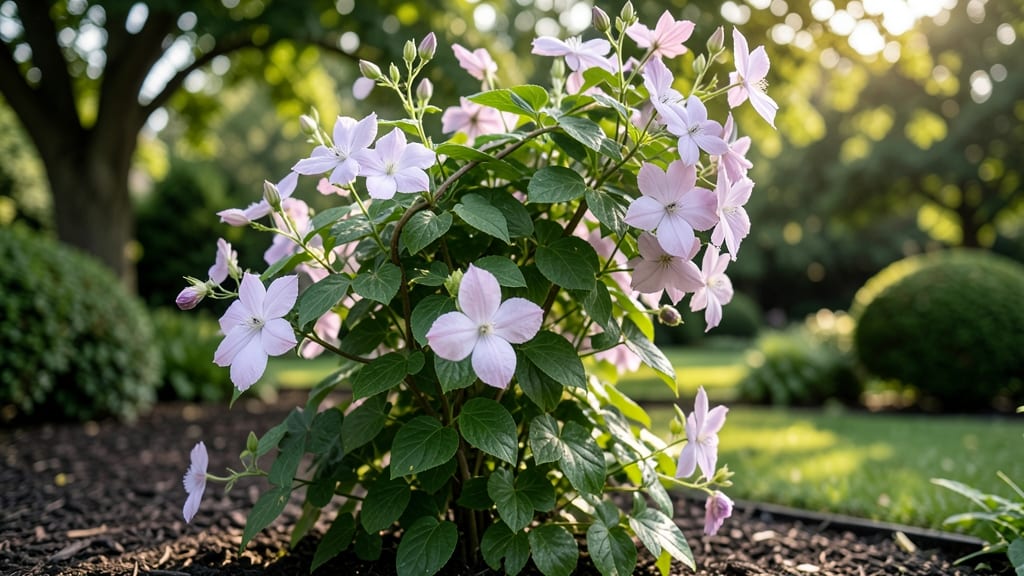
Perennial flowering vines transform bare walls into living art—no annual replanting needed. 🌿 My first clematis vine climbed a trellis in just one summer, its purple blooms lasting from June to frost, with sporadic flowers even in winter.
The secret lies in choosing the right varieties for your climate and giving them the perfect spot where they’ll thrive with minimal fuss.
You’ll need a sturdy support structure (trellis, arbor, or fence), well-draining soil amended with compost, and a location with 6+ hours of sunlight—though some varieties tolerate partial shade.
Start with hardy perennials like clematis, wisteria, or honeysuckle, which reward patience with fragrant blooms and lush foliage year after year. Pruning is simpler than you think: just trim dead stems in early spring and shape lightly after flowering.
The payoff is months of effortless beauty—imagine morning coffee under a cascade of blooms or a fragrant trellis framing your patio. These vines attract pollinators, add vertical interest, and even improve air quality. With the right care, they’ll outperform annuals every season, turning your garden into a four-season showpiece.
Works in containers for small spaces or as dramatic focal points in larger gardens. Here’s how to pick the perfect vine for your yard—no green thumb required!
📚 In This Guide
- What you need
- Instructions
- Tips and common mistakes
- Wrapping up and next steps
What you need
- ● Perennial flowering vines: 1–3 plants per vine type (e.g., Clematis, Wisteria, Honeysuckle, or Jasmine). Choose 3–6 ft. tall, established nursery-grown plants for quicker results.
- ● Native varieties (e.g., Passiflora incarnata or Campsis radicans) for low-maintenance, eco-friendly options.
- ● Support structures: 1–2 trellises, arbors, or pergolas (6–10 ft. tall, depending on vine maturity). Opt for galvanized metal or pressure-treated wood for durability.
- ○ Optional: Decorative lattice panels or obelisks for vertical gardens.
- ● Soil amendments: 5–10 lbs. of compost or well-rotted manure per planting hole.
- ● 1–2 lbs. of balanced fertilizer (10-10-10 or 5-10-10 NPK ratio) for nutrient-rich soil.
- ○ Optional: Perlite or vermiculite (1–2 cups) to improve drainage in heavy clay soils.
- ● A garden trowel or spade for digging.
- ● A pruning shears (bypass type, sharp and sterilized).
- ● A measuring tape (for spacing plants 3–6 ft. apart).
- ● A watering can or hose with a gentle spray nozzle.
- ○ Optional: Gloves (to protect from thorns or sap), a mulching fabric, or a soil pH tester (ideal pH: 6.0–7.0 for most vines).
- ● A sunny to partially shaded location (6+ hours of sunlight daily for most vines).
- ● Well-draining soil (amend if compacted or sandy).
- ● Access to a water source (vines need consistent moisture, especially in their first year).
- ● Pro tip: 💡 Test your soil’s moisture retention—perennial vines hate soggy roots!
How to plant and maintain perennial flowering vines
Here's the simple approach I use to keep these vines thriving with almost no fuss.
🌱 Step 1: Choose the Right Location and Soil
Perennial flowering vines need 6+ hours of sunlight daily for best blooms. I always pick a spot near a fence, trellis, or pergola where they can climb and spread naturally. The soil should drain well—amend heavy clay with compost or sand if needed.
Dig a hole twice as wide as the root ball but only as deep. This encourages roots to spread horizontally for stability. I like to loosen the sides of the hole with a fork to help roots establish faster. If planting in fall, do it 6-8 weeks before frost so roots settle before winter.
☀️ Step 2: Plant and Water for Strong Establishment
Place the vine in the hole, ensuring the top of the root ball sits level with the soil surface. Fill around it with native soil, pressing gently to remove air pockets. Water deeply right after planting—1-2 gallons—to help soil settle and eliminate gaps.
Keep the soil evenly moist for the first 4-6 weeks (about 1 inch of water per week). You'll know it's right when the top inch feels damp but not soggy. Mulch with 2-3 inches of organic mulch around the base to retain moisture and suppress weeds.
🌿 Step 3: Provide Support and Prune Strategically
Install a trellis, fence, or arbor before planting if you don’t have one already. Vines like clematis, honeysuckle, and wisteria need something sturdy to climb—wooden lattice or metal mesh works best. Secure the vine loosely with soft ties or twine to avoid damaging stems.
Prune in early spring (before new growth) to shape the vine and remove dead wood. I cut back overly long stems by 1/3 to encourage bushier growth. For flowering vines, trim spent blooms just above a leaf node to promote more flowers. Never prune after mid-summer—new growth won’t harden off before winter.
⏰ Step 4: Feed and Protect for Long-Term Growth
Apply a balanced fertilizer (10-10-10) in early spring when new shoots appear. I use about 1 tablespoon per vine, working it into the top 2 inches of soil. Water deeply after fertilizing to help nutrients spread. Avoid high-nitrogen fertilizers—they encourage leafy growth at the expense of flowers.
Protect young vines from late frosts with frost cloth if needed. Once established, most perennials handle cold well, but new growth can be tender. I also watch for pests like aphids and diseases like powdery mildew—spray with neem oil if you spot them early.
🪴 Step 5: Enjoy Year-Round with Minimal Effort
Perennial vines reward patience. After the first year, they’ll need little maintenance—just annual pruning, occasional watering in drought, and seasonal mulching. I let mine climb freely, and they bloom from early summer through fall, with some (like climbing roses) even offering winter interest.
If a vine outgrows its space, prune back aggressively in early spring—it’ll bounce back with fresh growth. The key is consistency: water when dry, prune when dormant, and feed once a year. That’s all it takes for decades of color with almost no work.
Tips & tricks for perfect perennial flowering vines
These simple strategies will help you avoid the most common mistakes and get the most vibrant blooms from your climbing plants.
Location is Everything: That 6+ hours of sunlight is non-negotiable for flowering vines. I've learned the hard way that partial shade spots often result in leafy growth but very few blooms. If your yard only gets morning sun, choose varieties like clematis that tolerate partial shade better than others. The key is finding that balance between sun exposure and the microclimate of your space.
Root Ball Placement Matters: When planting, make sure the top of the root ball sits level with the soil surface—not buried deeper. I once buried a clematis too deep and it took two full growing seasons for it to recover. The roots need that horizontal space to spread for stability, so that twice-as-wide hole isn't just a suggestion—it's essential for long-term health.
Watering Wisdom: Those first 4-6 weeks are critical for establishing roots. I use a simple test: stick your finger about an inch into the soil. If it feels dry, it's time to water. The goal is consistent moisture, not soggy soil. A soaker hose makes this easier than trying to water by hand every few days, and it delivers water right where the roots need it most.
Pruning Precision: When you're cutting back those overly long stems by 1/3 in early spring, look for where the stem meets a leaf node. That's where new growth will emerge. I mark these spots with a pencil before pruning to avoid cutting too close. For flowering vines, always trim just above a leaf node—this encourages more blooms by directing the plant's energy where you want it.
Pro Tips for Perennial Flowering Vines
- These simple strategies will help you avoid the most common mistakes and get the most vibrant blooms from your climbing plants.
- Location is Everything: That 6+ hours of sunlight is non-negotiable for flowering vines.
- Root Ball Placement Matters: When planting, make sure the top of the root ball sits level with the soil surface—not buried deeper.
Frequently asked questions
Got questions about keeping your perennial flowering vines thriving? You’re not alone! Here are some of the most common queries—plus straightforward answers to help you grow with confidence.
How do I choose the best perennial flowering vine for my climate?
Start by checking your USDA Hardiness Zone (find yours here). For example, Clematis thrives in Zones 4–9, while Honeysuckle (Lonicera) handles Zones 3–10. Native vines like Virginia Creeper are also low-maintenance picks for tougher climates.
When is the best time to plant perennial flowering vines?
Plant in early spring or fall when soil is cool but workable. Avoid extreme heat or frost—roots need time to establish. For container-grown vines, you can plant year-round in mild climates, but spring/fall still gives them the best head start.
Do perennial flowering vines need a lot of sunlight?
Most need 6+ hours of sunlight daily, but a few (like Cobaea scandens) tolerate partial shade. Check your vine’s tag—some, like Passiflora (passionflower), bloom better with morning sun and afternoon shade in hot zones. Observe your yard’s light patterns first!
How often should I prune my perennial flowering vine?
Prune once a year, ideally in late winter or early spring before new growth starts. Remove dead/diseased stems first, then shape lightly. For spring-blooming vines (like Wisteria), prune after flowering. Summer-bloomers (like Clematis) can handle light trims post-bloom to encourage more flowers.
What pests or diseases should I watch for, and how do I treat them?
- Aphids/Spider Mites: Spray with water or use neem oil.
- Powdery Mildew: Improve airflow, avoid overhead watering, and treat with fungicide if needed.
- Japanese Beetles: Handpick or use organic traps.
Prevention is key—mulch to retain moisture, avoid overwatering, and choose disease-resistant varieties (like Clematis ‘Jackmanii’).
Can I grow perennial flowering vines in containers?
Opt for trailing vines like Nasturtium or Morning Glory in large pots (10+ gallons). Use well-draining soil, a trellis, and fertilize monthly. Just ensure containers get enough sunlight and water—container plants dry out faster than ground-planted ones.
Pro Tip: Label your vines!
Perennial vines can get tangled or confused with annuals. Use stakes or plant markers to track varieties, pruning needs, and bloom times. Trust us—your future self will thank you when it’s time to prune or fertilize.
Wrapping up and next steps
Perennial flowering vines are a gardener’s dream—offering stunning, low-maintenance beauty that thrives year after year with just a little care. Whether you’re climbing a trellis, framing a doorway, or softening a fence, these vines bring effortless charm and season-long color to any space. 🌸
Ready to transform your garden? Start small—pick one vine to test in a sunny or shaded spot, then expand as you discover what grows best in your climate. With minimal pruning and maximum rewards, your outdoor oasis will bloom with confidence and joy!