
Flowers
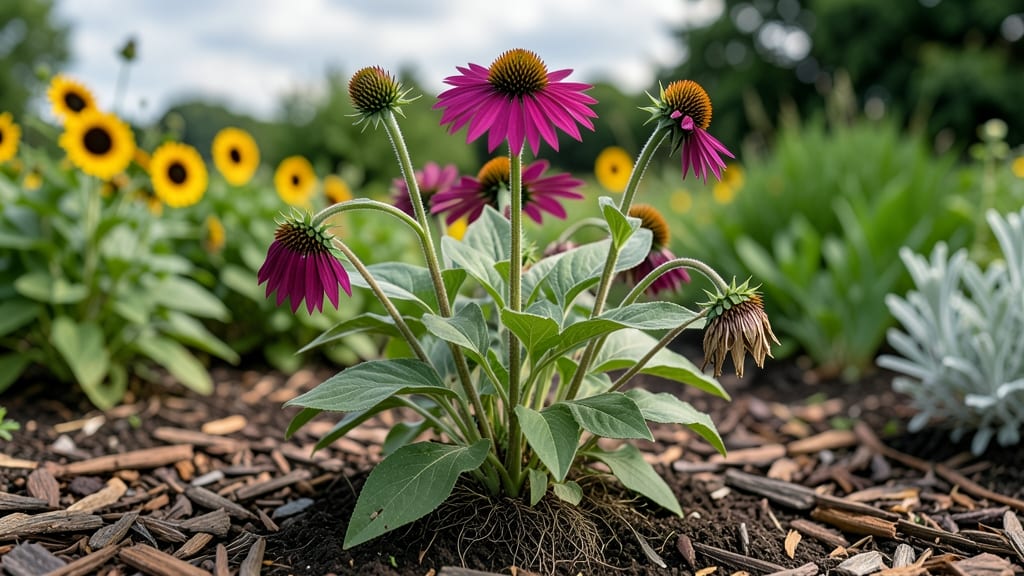
Perennial flowers in Zone 5 don’t just survive—they thrive, spreading year after year with almost no effort from you. 🌱 After years of trial and error, I’ve found the cold-hardy varieties that multiply naturally, cutting my spring planting time by half while filling the garden with bold colors.
The secret lies in choosing plants like coneflowers and daylilies that bounce back from winter like they’re made of rubber.
You’ll need just three things to get started: well-draining soil, a sunny spot (at least 6 hours of light), and patience—though the results come faster than you’d expect. Most perennials establish roots within 2-3 weeks, and by their second year, they’ll spread enough to share with neighbors.
The best part? Once planted, they need minimal care beyond occasional deadheading and dividing every 3-4 years to keep them vigorous.
Imagine waking up to vibrant purple coneflowers in July, their petals still fresh after a Zone 5 winter, or clusters of golden black-eyed Susans that last until frost. These flowers don’t just survive—they become the backbone of your garden, attracting pollinators and reducing your workload.
By late summer, you’ll be dividing clumps to give away, proving that perennials are the ultimate low-maintenance investment.
Whether you’re working with a small city plot or a sprawling backyard, these perennials adapt easily. The key is planting in early spring or fall, when soil temperatures are cool but workable. Here’s how to make them flourish without the fuss—starting with the right soil prep and watering routine.
📚 In This Guide
- What you need
- Instructions
- Tips and common mistakes
- Wrapping up and next steps
What you need
- ● Perennial flowers (Zone 5-hardy varieties): 5–10 plants of Coneflower (Echinacea) (e.g., 'Magnus' or 'White Swan')
- ● 3–5 plants of Black-Eyed Susan (Rudbeckia) (e.g., 'Goldsturm')
- ● 3–5 plants of Daylily (Hemerocallis) (e.g., 'Stella de Oro')
- ● 3–5 plants of Russian Sage (Perovskia) (e.g., 'Blue Spire')
- ● 3–5 plants of Bee Balm (Monarda) (e.g., 'Jacob Cline')
- ● Well-draining soil mix (50 lbs bag of compost or peat moss)
- ● Organic mulch (3–5 cubic feet of shredded bark or straw)
- ● Garden gloves (1 pair, nitrile-coated for durability)
- ● Hand trowel (1, 5-inch stainless steel)
- ● Watering can or hose (with adjustable nozzle)
- ● Measuring tape (1, 16-foot)
- ● Pruners (1 pair, bypass-style for clean cuts)
- ● Garden fork (1, heavy-duty for aerating soil)
- ● Stakes or trellis (for climbing perennials like Clematis)
- ● Slow-release fertilizer (e.g., 10-10-10, 5 lbs)
- ● Rain gauge (to monitor watering needs)
- ● Plant markers (10–20 biodegradable labels)
Step-by-step guide to designing a thriving perennial flower garden in Zone 5
Here's how I create a low-maintenance perennial garden that blooms reliably year after year.
🌱 Step 1: Select Plants That Multiply Naturally
Zone 5's climate favors perennials that spread through rhizomes, self-seed, or form clumps. Start with coneflowers (Echinacea), black-eyed Susans (Rudbeckia), and beard tongue (Penstemon)—these workhorses return stronger each year. I also include catmint (Nepeta) and Russian sage (Perovskia) for drought tolerance and long bloom seasons.
Look for cold-hardy varieties with labels showing Zone 3-5 ratings. These plants handle winter's freeze-thaw cycles better than tender perennials. Avoid anything labeled "tender" or "winter protection required"—those won't survive Zone 5 winters reliably. The key is choosing plants that self-propagate through roots or seed, reducing your replanting workload over time.
🪴 Step 2: Prepare Soil for Long-Term Success
Test your soil's pH and amend to 6.0-7.0—most perennials thrive in this neutral range. I mix 2-3 inches of compost into the top 12 inches of soil before planting. This improves drainage while retaining moisture, which is critical for Zone 5's variable rainfall patterns.
For heavy clay soil (common in Zone 5), add 1 part sand to 3 parts native soil to improve aeration. Work in 1 cup of bone meal per planting hole for phosphorus, which encourages strong root development. The goal is loose, crumbly soil that holds moisture but doesn't stay soggy—perennials hate "wet feet" during winter.
☀️ Step 3: Plant in Groups for Natural Spread
Arrange plants in 3-5 plant clusters rather than single specimens. This mimics their natural growth patterns and creates instant visual impact. Space clump-forming perennials like daylilies 18-24 inches apart, while spreading types like creeping phlox can go 12-18 inches apart. The extra space gives roots room to expand without competition.
Plant in early spring (after last frost) or early fall—both times give roots 6-8 weeks to establish before winter. Dig holes twice as wide as the root ball but only as deep as the container's base. This prevents planting too deep, which can suffocate roots. Water deeply immediately after planting to eliminate air pockets.
💧 Step 4: Water Deeply and Mulch for Winter Protection
Water 1 inch per week during the first growing season, focusing on the root zone. Let the top 2 inches of soil dry between waterings to encourage deep root growth. In Zone 5, late fall watering is crucial—give plants a deep drink before the ground freezes to help them survive winter.
Apply 3-4 inches of mulch (straw or shredded bark) after the first hard frost. This insulates roots from extreme temperature swings that can heave plants out of the ground. Replenish mulch in early spring before new growth appears. The mulch also suppresses weeds, which compete with young perennials for water and nutrients.
✂️ Step 5: Prune Strategically for Next Year's Bloom
Cut back dead foliage in early spring (before new growth appears) to prevent disease. For grasses and ornamental perennials, I leave 3-4 inches of stems for winter interest and to protect emerging shoots. The exception is last year's seed heads—leave some for wildlife but remove any that look diseased.
Divide crowded clumps every 3-4 years in early spring or fall. This rejuvenates plants and gives you free divisions to share or replant. The rule is simple: if a plant's center looks bare, it's time to dig it up, separate the outer growth, and replant. This natural propagation keeps your garden full and vibrant without costly replacements.
Tips & tricks for perfect perennial flower gardens in Zone 5
These practical insights will help you create a garden that thrives year after year with minimal effort.
Plant Selection Strategy: Focus on perennials that naturally multiply—like coneflowers and black-eyed Susans—because they spread through rhizomes or self-seed. These tough, cold-hardy varieties (Zone 3-5 rated) handle Zone 5's freeze-thaw cycles better than tender annuals. I always check labels for "self-propagating" or "aggressive spreader" tags to identify plants that will fill in gaps naturally over time.
Soil Preparation Secret: The 2-3 inches of compost mixed into the top 12 inches of soil isn't just about nutrients—it's about creating that perfect crumbly texture. For clay-heavy Zone 5 soils, I blend 1 part sand with 3 parts native soil to prevent compaction. The 1 cup of bone meal per planting hole is my insurance policy for strong root development—it's like giving your plants a growth hormone boost right from the start.
Planting Layout Tip: When creating those 3-5 plant clusters, I always stagger the spacing—18-24 inches for clump-formers like daylilies and 12-18 inches for spreaders like creeping phlox. This creates a natural, layered look while preventing overcrowding. The key is to think about how each plant will expand over 3-4 years, not just how it looks at planting time.
Winter Survival Hack: That late fall watering before the ground freezes is non-negotiable in Zone 5. I always give my perennials a deep drink when soil temperatures drop below 40°F—this hydrated reserve helps roots survive winter's freeze-thaw cycles. The 3-4 inches of mulch after the first hard frost acts like a thermal blanket, protecting roots from temperature swings that can heave plants out of the ground.
Pro Tips for Perennial Flowers Zone 5
- These practical insights will help you create a garden that thrives year after year with minimal effort.
- Plant Selection Strategy: Focus on perennials that naturally multiply—like coneflowers and black-eyed Susans—because they spread through rhizomes or self-seed.
- Soil Preparation Secret: The 2-3 inches of compost mixed into the top 12 inches of soil isn't just about nutrients—it's about creating that perfect crumbly texture.
Frequently asked questions
Got questions about growing perennial flowers in Zone 5? You’re not alone—many gardeners want to know how to make these cold-hardy beauties thrive. Here are answers to the most common queries to help you get started with confidence!
What are the easiest perennials to grow in Zone 5 for beginners?
Start with coneflowers (Echinacea), black-eyed Susans (Rudbeckia), and daylilies (Hemerocallis). These are low-maintenance, drought-tolerant, and multiply effortlessly. Lavender and Russian sage are also great for beginners—they’re tough, fragrant, and deer-resistant!
When is the best time to plant perennials in Zone 5?
Plant in early spring (April–May) or early fall (September–October) for the best success. Avoid extreme heat or frost—soil temps should be above 40°F (4°C). Fall planting gives roots time to establish before winter, while spring lets them bloom sooner!
How do I encourage perennials to spread naturally in Zone 5?
Let them be! Most perennials self-seed or spread via rhizomes (like hostas) or stolons (like creeping thyme). Deadhead spent blooms to redirect energy to roots, but avoid cutting back foliage until late fall—it protects new growth from frost.
Why aren’t my Zone 5 perennials blooming this year?
Common culprits: over-fertilizing (too much nitrogen = lush leaves, few flowers), poor sunlight (most perennials need 6+ hours of sun), or cutting back too early. Try dividing clumps every 3–4 years—this rejuvenates growth and often boosts blooms!
Are there any perennials that thrive in shady Zone 5 gardens?
Try hostas (for foliage), astilbes (feathery plumes), or heucheras (colorful leaves). Bleeding heart (Dicentra) and foamflower (Tiarella) also love shade. Just amend soil with compost—shady spots often have poor drainage.
Still stumped? Drop your Zone 5 perennial woes in the comments—we’re happy to help troubleshoot!
Wrapping up and next steps
Choosing the right perennial flowers for Zone 5 means embracing beauty that thrives and spreads effortlessly—year after year!
From hardy coneflowers to reliable peonies, these cold-resistant stars bring color, pollinators, and minimal fuss to your garden. Your next step? Pick 2-3 varieties that excite you, sketch a simple layout, and dive in—your future self (and bees!) will thank you.
Pro Tip: Start small! Add just one or two perennials this season, then expand as you see what flourishes. Happy planting—your garden’s best days are ahead! 🌱✨