
Planting
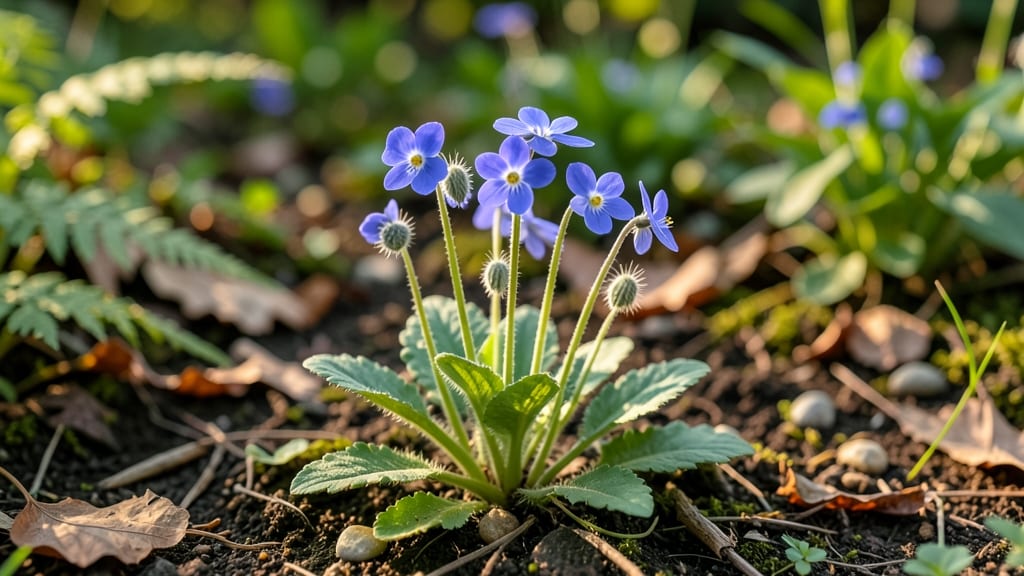
Perennial forget-me-nots (Myosotis spp.) bring sky-blue charm with almost no fuss. 💙 I planted mine last spring in a shady corner, and they’ve bloomed every year since—even through droughts and light freezes.
These hardy little plants thrive where others struggle, making them the perfect low-maintenance addition to borders, containers, or cottage gardens.
The secret to their success lies in their adaptability: they’re happy in partial shade, tolerate poor soil, and need just 1 inch of water per week once established. They spread gently over time, filling gaps naturally without becoming invasive.
My plants now form a 6-inch-tall carpet of blue blooms from late spring through summer, with occasional fall reblooms if I deadhead spent flowers.
What you’ll love most is how they pair with other shade-lovers like hostas, ferns, and astilbes. Their delicate blooms also make stunning cut flowers—lasting 5-7 days in a vase—while attracting pollinators like bees and butterflies. Even in Zone 3, they bounce back year after year with minimal winter prep.
Here’s the best part: they’re nearly pest-free and rarely need pruning. Just snip back leggy stems in early spring, and they’ll reward you with bold, cheerful blooms that outshine many high-maintenance perennials. Ready to add some effortless color to your garden?
📚 In This Guide
- What you need
- Instructions
- Tips and common mistakes
- Wrapping up and next steps
What you need
- ● Perennial forget-me-not seeds or nursery plants: Choose Myosotis sylvatica (woodland type) or Myosotis scorpioides (water-friendly type). Buy 5–10 plants for a small garden or 20+ for a full border.
- ● Well-draining potting mix: 1–2 cubic feet (for containers) or amend garden soil with compost (1 part compost to 3 parts soil) to improve fertility.
- ○ Organic fertilizer (optional but recommended): A balanced 10-10-10 or low-nitrogen (5-10-10) formula to avoid leggy growth. Use ½ cup per 10 sq. ft.
- ● Garden trowel or hand shovel (for planting seeds/transplants).
- ● Watering can or hose with a gentle spray nozzle (forge-me-nots hate soggy roots!).
- ● Gloves (to protect hands from soil and prickly stems).
- ● Pruning shears (for deadheading spent blooms and shaping).
- ○ Mulch (optional): 2–3 inches of straw or shredded leaves to retain moisture and suppress weeds.
- ● Lightweight row cover or frost cloth (if your zone drops below 20°F).
- ● Evergreen boughs or pine straw (for insulation in Zone 4 or colder).
Step-by-Step guide to planting and caring for perennial forget-me-nots
Here's how to establish these charming, low-maintenance bloomers that thrive with almost no fuss.
🌱 Step 1: Select the Perfect Planting Location
Forget-me-nots love partial shade to full sun, but they'll reward you with the most vibrant blooms in morning sun with afternoon shade. I always choose spots near the front of borders or along pathways where their delicate blue flowers can be admired up close. The soil should drain well—these plants hate soggy roots, so avoid low-lying areas where water pools after rain.
Test your soil's drainage by digging a 6-inch deep hole and filling it with water. If it drains within an hour, you're good to go. If not, amend the area with 1-2 inches of compost mixed into the top 6 inches of soil. Forget-me-nots prefer slightly acidic to neutral soil with a pH between 6.0 and 7.5, so a simple soil test kit will confirm you're in the right range.
🌱 Step 2: Plant at the Right Time and Depth
Plant your forget-me-nots in early spring or early fall when temperatures are mild and the ground is workable. The key is to get them established before summer heat arrives. Dig holes that are twice as wide as the root ball but only as deep as the container—burying too deep can suffocate the crown and lead to rot.
Space plants 12-18 inches apart for a lush, natural look. I like to plant them in small clusters of three or five to create a cohesive display. After placing each plant, backfill the hole with soil and press gently around the roots to eliminate air pockets. Water deeply right after planting to settle the soil and encourage root contact.
💧 Step 3: Water Consistently During Establishment
Forget-me-nots are drought-tolerant once established, but they need consistent moisture for the first 2-3 weeks after planting. Water deeply every 2-3 days until the soil is 2-3 inches deep moist. You'll know you've watered enough when the top inch of soil feels damp but not soggy—think of a wrung-out sponge.
After the initial establishment period, reduce watering to once a week during dry spells, but let the soil dry out between waterings. Overwatering is the biggest mistake gardeners make with forget-me-nots—it causes root rot and weakens the plant. Mulch around the base with 1-2 inches of organic mulch to retain moisture and suppress weeds, but keep it 2 inches away from the plant crown.
☀️ Step 4: Provide Minimal Fertilization and Pruning
Forget-me-nots don't need much fertilizer. In fact, too much can lead to lush foliage but fewer blooms. I apply a balanced, slow-release fertilizer (10-10-10) in early spring just as new growth appears, using about ½ teaspoon per plant. This gives them a gentle boost without overstimulating growth.
Deadhead spent blooms regularly to encourage more flowers and prevent self-seeding, which can lead to unwanted volunteers popping up everywhere. After the first flush of blooms fades in late spring, cut back the stems by one-third to promote a second round of flowers in early summer. This pruning also keeps the plants compact and tidy.
⏰ Step 5: Prepare for Winter with Minimal Effort
Perennial forget-me-nots are hardy in USDA zones 3-8, meaning they'll survive winter with almost no care. In colder zones (3-5), mulch the plants heavily with 3-4 inches of straw or shredded leaves after the ground freezes to protect the crown. In warmer zones (6-8), mulch lightly with 1-2 inches of mulch to retain moisture during dry winter periods.
Remove the mulch in early spring once new growth appears. Forget-me-nots are resilient and will bounce back quickly. If you notice any dead or damaged foliage in early spring, trim it back to encourage fresh, healthy growth. With minimal winter care, these plants will reward you with cheerful blooms year after year.
Tips & tricks for perfect perennial forget-me-not care
These simple strategies will help you grow vibrant, long-lasting forget-me-nots that thrive with minimal effort.
Location Matters: Forget-me-nots thrive in morning sun with afternoon shade, but their exact needs depend on your climate. In hotter regions, provide afternoon shade to prevent leaf scorch, while cooler climates can handle more sun. I've found that planting near the front of borders creates a stunning visual impact while keeping the delicate blooms accessible for close-up admiration.
Soil Prep Secret: The drainage test in Step 1 is crucial—if water pools in your 6-inch hole, amend with compost until it drains within an hour. Forget-me-nots despise soggy roots, so raised beds or mounds work beautifully for heavy clay soils. I've seen these plants struggle in compacted soil, so don't skip this preparation step even if your soil seems fine.
Planting Precision: When creating those 12-18 inch spaces between plants, think about your viewing angle. Closer spacing (12 inches) creates a dense carpet of color, while wider spacing (18 inches) allows more air circulation and reduces disease risk. I always plant in odd-numbered clusters (3 or 5 plants) for a more natural, balanced look that catches the eye.
Watering Wisdom: The key to successful establishment is consistent moisture during those first 2-3 weeks. Use a rain gauge or tuna can to measure your watering—aim for about 1 inch of water every 2-3 days. This ensures the soil stays moist to 2-3 inches deep without becoming waterlogged. A soaker hose makes this easier than watering by hand.
Pro Tips for Perennial Forget Me Not Plant
- These simple strategies will help you grow vibrant, long-lasting forget-me-nots that thrive with minimal effort.
- Location Matters: Forget-me-nots thrive in morning sun with afternoon shade, but their exact needs depend on your climate.
- Soil Prep Secret: The drainage test in Step 1 is crucial—if water pools in your 6-inch hole, amend with compost until it drains within an hour.
Frequently asked questions
Got questions about growing and caring for perennial forget-me-nots? You’re not alone! Here are some of the most common queries—plus straightforward answers to keep your blooms thriving with minimal fuss.
How do I keep forget-me-nots from dying in hot, dry summers?
These hardy plants are drought-tolerant once established, but they appreciate 1 inch of water weekly during dry spells. Mulch around the base (2–3 inches) to retain moisture and protect roots. If your soil drains poorly, amend it with sand or perlite to prevent root rot.
Do perennial forget-me-nots survive winter without extra protection?
Most varieties are cold-hardy (USDA Zones 3–9), but young plants or harsh winters may need a light dusting of straw or a cloche. Avoid heavy mulch, which can suffocate roots. In Zone 2 or colder, grow them in containers and move them to a sheltered spot.
Why aren’t my forget-me-nots blooming this year?
Overcrowding or excessive nitrogen (from fertilizer) can delay flowers. Thin plants to 6–12 inches apart and use a balanced 10-10-10 fertilizer in early spring. Deadhead spent blooms to encourage more flowers, and ensure they get 4+ hours of sunlight daily.
Can I grow forget-me-nots in containers? What’s the best setup?
Yes! Use 5–7 inch pots with drainage holes, well-draining soil (like a mix of potting soil and perlite), and a slow-release fertilizer. Place containers in partial shade (they dislike scorching afternoon sun). Water when the top inch of soil feels dry—containers dry out faster than garden beds.
Are there any low-maintenance alternatives to forget-me-nots?
If you love easy-care, drought-tolerant blooms, try:
- Creeping thyme (fragrant, ground-covering, Zone 4–9)
- Catmint (Nepeta) (long blooms, deer-resistant, Zone 3–8)
- Yarrow (Achillea) (tough, pollinator-friendly, Zone 3–9)
Wrapping up and next steps
Incorporating perennial forget-me-nots into your garden is a rewarding choice—these resilient blooms thrive with minimal fuss while adding charm and color year after year. 🌸 Their drought tolerance and low-maintenance winter care make them perfect for busy gardeners or beginners eager to grow something beautiful.
Ready to transform your space? Start by selecting a sunny spot, prepping the soil, and planting your forget-me-nots this season—your future blooms will thank you!
🌱 Next Steps:
- Order seeds or seedlings from a trusted supplier.
- Mark your calendar for planting (early spring or fall).
- Share your progress—tag us in your garden pics! 📸