
Tools
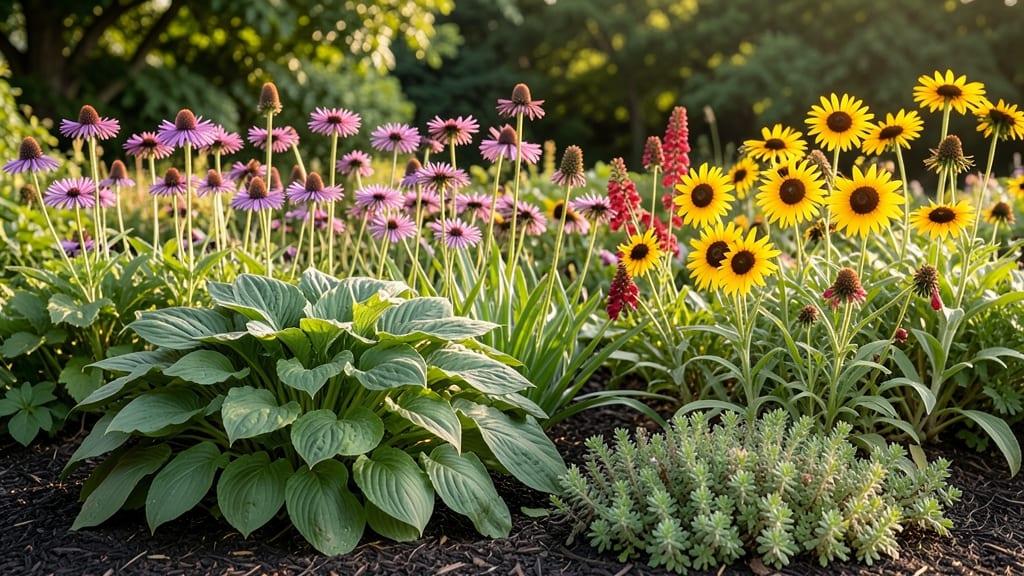
A perennial garden in Zone 5 thrives with cold-hardy plants like coneflowers, black-eyed Susans, and hostas, which survive winter dormancy and rebound with minimal care. Focus on soil prep, mulching, and selecting native species for resilience against freezing temperatures and seasonal shifts.
A successful Zone 5 perennial garden depends on choosing plants that naturally withstand your region's harsh winters and short growing seasons. 🌱 Unlike tropical perennials, these hardy varieties enter dormancy, storing energy underground until spring.
I've found that native species like bee balm and Russian sage not only survive but often thrive with less water and maintenance than their non-native counterparts. The key is matching plants to your microclimate—windbreaks, afternoon sun exposure, and soil drainage all play critical roles in winter survival.
Proper soil preparation is where many gardeners miss the mark. Zone 5's heavy clay soils often need amendments like compost or sand to improve drainage, while mulching with 3-4 inches of organic material insulates roots from temperature swings.
I recommend testing your soil's pH and adjusting it—most perennials prefer slightly acidic to neutral conditions. The right mulch (straw, shredded leaves, or wood chips) also suppresses weeds while protecting roots from freeze-thaw cycles that can heave plants out of the ground.
💡 In This Article
- How to Select Cold-Resistant Perennials for Zone 5
- Zone 5 Perennial Planting and Maintenance Guide
How to select cold-resistant perennials for Zone 5
The USDA Plant Hardiness Zone Map divides North America into 13 zones based on average annual minimum temperatures. Zone 5 experiences winter lows between -20°F and -10°F, which eliminates many tender perennials but creates ideal conditions for cold-hardy species.
The key to selecting successful perennials lies in understanding their dormancy strategies—how they survive freezing temperatures through underground storage organs (rhizomes, tubers, or crowns) or evergreen foliage that protects growing points.
Native species like coneflowers (Echinacea) and black-eyed Susans (Rudbeckia) have evolved to thrive in Zone 5's climate, developing deep root systems that access moisture and nutrients even when surface soils freeze.
For example, coneflowers can survive -30°F when established, while their bright purple blooms attract pollinators from early summer through fall. Hostas take a different approach—their broad leaves contain antifreeze proteins that prevent ice crystal formation in their cells during winter, allowing them to stay green until late fall or even winter in sheltered spots.
When selecting plants, look for those labeled as USDA Zone 3-7 for maximum flexibility, as these can handle Zone 5's extremes.
The growth habit matters too—low-growing perennials like creeping thyme or ajuga spread horizontally, insulating themselves with snow cover, while upright varieties like Russian sage (Perovskia) have woody stems that resist breakage under heavy snow loads.
I've found that plants with hairy or waxy leaves, like lamb's ear (Stachys byzantina), also perform well because these adaptations reduce water loss during cold, dry winters.
Seasonal interest is another critical factor. Many Zone 5 perennials offer multiple seasons of beauty: heuchera provides vibrant fall foliage, sedum turns fiery red in autumn, and ornamental grasses like miscanthus rustle with seed heads through winter.
This extended display reduces the need for seasonal replacements and creates a dynamic garden that feels alive year-round. The right plant choices transform a Zone 5 garden from a seasonal display into a four-season landscape.
Consider your garden's microclimates when selecting plants. South-facing walls or slopes may be 2-5°F warmer than the surrounding area, allowing you to grow marginally hardier species like lavender (Zone 5b). Conversely, low-lying areas with poor drainage should feature moisture-tolerant perennials like ligularia or trollius.
Always check the specific cultivar's hardiness rating—some varieties within the same species may have different cold tolerances. For instance, while most hostas are Zone 3-9, the Hosta 'Blue Angel' is only rated to Zone 4.
Don't overlook the soil adaptation of your selections. Plants like purple coneflower thrive in dry, well-drained soils, while astilbe prefers consistently moist conditions. Amending your soil with 2-3 inches of compost before planting creates the ideal foundation for these diverse needs.
The right plant-soil match means less supplemental watering and fertilization, which is especially valuable in Zone 5's often dry summers.