
Planting
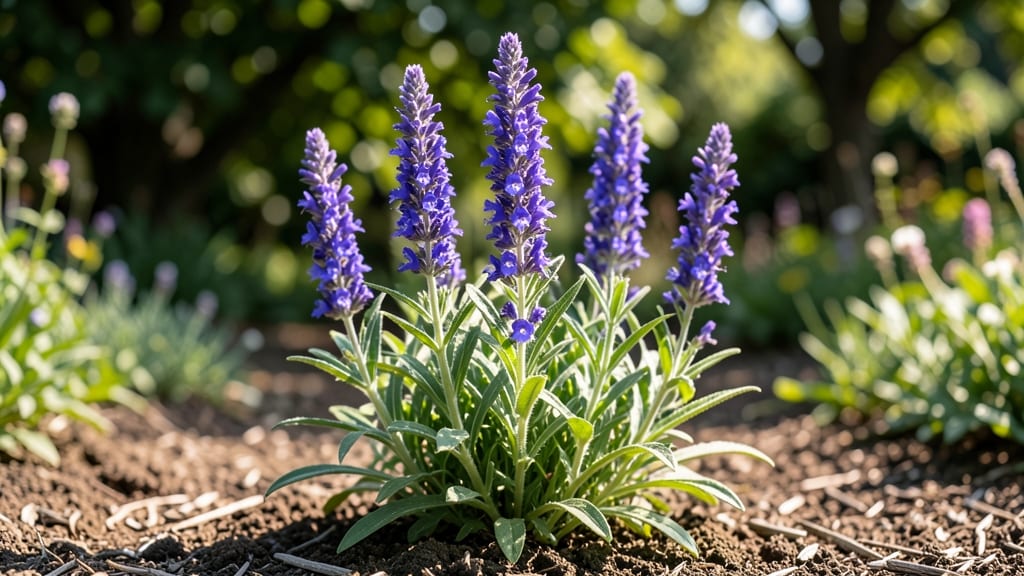
My perennial veronica plants are the drought-proof superstars of my garden, thriving when others wilt. 💜 These purple-spiked beauties bring effortless color to borders, rock gardens, and even containers—with almost no care required after they establish.
The secret lies in their love of well-draining soil and full sun, plus a watering routine that mimics nature: deep soaks followed by dry spells. Once rooted, they bounce back from neglect like nothing else, making them perfect for busy gardeners or dry climates.
You’ll see those iconic spikes emerge in late spring, lasting through summer with minimal fuss. The foliage stays lush and green even when other plants struggle, and deer tend to leave them alone—another win for low-maintenance gardening.
Works for both sun-drenched spots and partial shade areas, and varieties like Veronica spicata or Veronica longifolia offer different heights and bloom times. Let’s get yours planted right!
📚 In This Guide
- What you need
- Instructions
- Tips and common mistakes
- Wrapping up and next steps
What you need
- ● Perennial Veronica Plants: 1–5 plants (depending on desired coverage; spacing varies by variety—check tags for specifics!)
- ○ Optional: Seed packets (if starting from scratch; ~50–100 seeds per packet, depending on the variety).
- ● Garden Soil: Well-draining, slightly alkaline to neutral pH (6.0–7.5). Amend with compost if your soil is heavy clay.
- ● Mulch: 2–3 inches of organic mulch (e.g., shredded bark, straw, or pine needles) to retain moisture.
- ● Garden Gloves (1 pair; heavy-duty for prickly stems or sandy soil).
- ● Trowel or Hand Shovel (for digging small holes; 6–8" depth).
- ○ Garden Fork (optional, for aerating compacted soil).
- ● Watering Can or Hose with Nozzle (gentle watering is key for young plants!).
- ● Pruners (sharp, clean pair for trimming dead blooms or overgrowth).
- ● Measuring Tape or Ruler (to ensure proper spacing—typically 12–24" apart).
- ● Sunlight: Full sun to partial shade (6+ hours of sunlight daily for best blooms).
- ● Water Source: Access to water for the first 2–3 weeks post-planting (even drought-tolerant veronica needs help establishing roots!).
- ● Weather Check: Plant in spring or early fall to avoid extreme heat or frost.
- ● Space: Verify your garden beds or containers meet the mature size of your chosen variety (some sprawl up to 3' wide!).
How to plant and maintain perennial Veronica for long-lasting color
These hardy plants thrive with minimal fuss—here's how to set them up for years of vibrant blooms.
🌱 Step 1: Choose the Perfect Planting Location
Veronica thrives in full sun to partial shade, with at least 4-6 hours of direct sunlight daily. I always pick spots with well-draining soil—these plants hate soggy roots. Test your soil by squeezing a handful; if it stays clumped, amend with compost or sand to improve drainage.
For best results, plant in areas with moderate airflow—this prevents fungal diseases that can rot stems. A slight slope helps water run off quickly after rain, keeping roots dry. If your garden has heavy clay, consider raised beds or containers for optimal growth.
🪴 Step 2: Prepare the Soil and Plant at the Right Depth
Loosen the soil to a depth of 12 inches with a garden fork, breaking up any compacted layers. Mix in 2-3 inches of compost to enrich the soil without overwhelming the plants. Veronica prefers slightly alkaline soil, so if your soil tests acidic, add a handful of lime per square foot.
Dig holes twice as wide as the root ball but only as deep as the container's drainage holes. Gently remove the plant from its pot, tease the roots if they're circling, and place it in the hole so the top of the root ball sits just below soil level. Backfill with native soil, pressing lightly to eliminate air pockets.
💧 Step 3: Water Deeply and Establish a Consistent Routine
Water immediately after planting to settle the soil around roots, then again in 3-4 days to encourage root growth. Once established, Veronica is drought-tolerant, but young plants need 1 inch of water per week during their first growing season. Check moisture by sticking your finger 2 inches into the soil—water when it feels dry.
Mulch with 2-3 inches of organic mulch (like shredded bark) to retain moisture and suppress weeds. Keep mulch 2 inches away from stems to prevent rot. Avoid overhead watering once plants are established—water at the base to keep foliage dry and reduce disease risk.
☀️ Step 4: Prune for Better Blooms and Shape
Deadhead spent flowers by cutting back 1/3 of the stem just below faded blooms to encourage more flowering. I do this every 2-3 weeks during the growing season. For bushier growth, trim back leggy stems in early spring before new growth begins—this redirects energy to lateral shoots.
After the first hard frost, cut back stems to 4-6 inches tall to promote fresh growth in spring. Wear gloves when pruning—Veronica can have slightly rough foliage. Never remove more than 1/3 of the plant at once, or you'll stress it unnecessarily.
⏰ Step 5: Monitor for Pests and Diseases
Veronica rarely attracts pests, but watch for aphids or spider mites, especially in hot, dry weather. Blast off aphids with a strong spray of water, or treat mites with neem oil if they appear. Fungal issues like powdery mildew can occur in humid conditions—improve airflow and avoid overhead watering to prevent outbreaks.
If leaves yellow or wilt, check for root rot caused by overwatering. Healthy Veronica has deep green foliage and upright stems. Divide mature plants every 3-4 years in early spring to rejuvenate growth—simply dig up clumps, separate the roots, and replant sections in fresh soil.
Tips & tricks for perfect perennial Veronica planting
These hardy beauties reward patience with years of vibrant blooms—here's how to maximize their potential from day one.
Sunlight Strategy: While Veronica tolerates partial shade, the most vibrant purple spikes develop when planted in full sun—at least those 4-6 hours daily mentioned in Step 1. In hotter climates, provide afternoon shade to prevent leaf scorch while maintaining that critical sunlight exposure. I've noticed the deepest colors appear when plants receive morning sun and gentle afternoon shade.
Soil Science: The 12-inch soil loosening in Step 2 isn't just about roots—it creates vital air pockets that prevent compaction. For heavy clay soils, mix in equal parts compost and sand (about 2-3 inches each) to dramatically improve drainage. I've seen Veronica plants in unamended clay struggle with yellowing leaves by mid-summer, while amended soil keeps them thriving.
Watering Wisdom: That 1 inch per week guideline in Step 3 works for average conditions, but adjust based on rainfall. During summer droughts, I increase to 1.5 inches weekly while monitoring soil moisture. The key is deep watering at the base—this encourages roots to grow downward rather than staying shallow. Overhead watering creates damp foliage that invites fungal problems.
Pruning Precision: When deadheading in Step 4, always cut just below the faded bloom cluster—not at a leaf node. This redirecting energy to new growth rather than leaf production. For spring shaping, I recommend using sharp pruners and making cuts at a 45-degree angle to prevent water pooling on stems, which can lead to rot.
Pro Tips for Perennial Veronica Plant
- These hardy beauties reward patience with years of vibrant blooms—here's how to maximize their potential from day one.
- Sunlight Strategy: While Veronica tolerates partial shade, the most vibrant purple spikes develop when planted in full sun—at least those 4-6 hours daily mentioned in Step 1.
- Soil Science: The 12-inch soil loosening in Step 2 isn't just about roots—it creates vital air pockets that prevent compaction.
Frequently asked questions
How do I keep my perennial veronica blooming all season?
Prune back spent blooms (deadheading) every 4–6 weeks to encourage new growth. For Veronica longifolia (spike speedwell), cut back ⅓ of the plant after flowering to promote bushiness. Mulch with compost to retain moisture and nutrients—this hardy plant rewards consistency! Pro tip: Feed with a balanced fertilizer in early spring for extra vigor.
When is the best time to plant perennial veronica?
Plant in early spring (after the last frost) or early fall (6–8 weeks before the first frost) for best root establishment. Avoid summer heatwaves—young plants struggle with transplant shock. If starting from seed, sow in late winter indoors, then transplant outdoors once seedlings are 2–3 inches tall.
Is perennial veronica truly drought-tolerant?
Yes! Once established, these plants thrive with minimal watering (about 1 inch per week). However, young plants need regular moisture (water deeply 2–3 times per week) until roots spread. For extra resilience, plant in well-draining soil with gravelly or sandy mixes—this mimics their native rocky habitats.
What’s the difference between annual and perennial veronica?
Annual veronica (like Veronica pectinata) blooms prolifically but dies after one season. Perennial varieties (e.g., Veronica spicata or Veronica incana) return yearly, often with longer blooming periods and hardier stems. Perennials are ideal for borders, while annuals add quick color to containers. Choose perennials for low-maintenance beauty!
Are there pests or diseases I should watch for?
Perennial veronica is generally pest-resistant, but watch for aphids (spray with soapy water) or powdery mildew in humid climates (improve airflow). Overwatering can cause root rot, so ensure soil drains well. If leaves yellow, check for nutrient deficiency—add compost or a balanced fertilizer. Most issues stem from poor drainage, not the plant itself!
Can I grow perennial veronica in containers?
Choose compact varieties like Veronica ‘Sunny Border Blue’ for pots. Use a fast-draining mix (add perlite or sand) and ensure the container has drainage holes. Water when the top inch of soil feels dry, and fertilize lightly every 4–6 weeks. Containers let you move the plant to sunny spots or partial shade as needed.
Wrapping up and next steps
Ready to transform your garden into a vibrant, low-maintenance paradise? Perennial veronica plants are your secret weapon—drought-resistant, long-blooming, and effortlessly stunning with their purple-spiked charm. Whether you’re a seasoned gardener or just starting, these hardy beauties deliver year-round interest with minimal fuss.
🌱 Next step: Grab your gloves, pick your favorite variety, and plant with confidence! Start small—try a single pot or a border—and watch your garden thrive with color and resilience. Happy planting! 🌿