
Plants
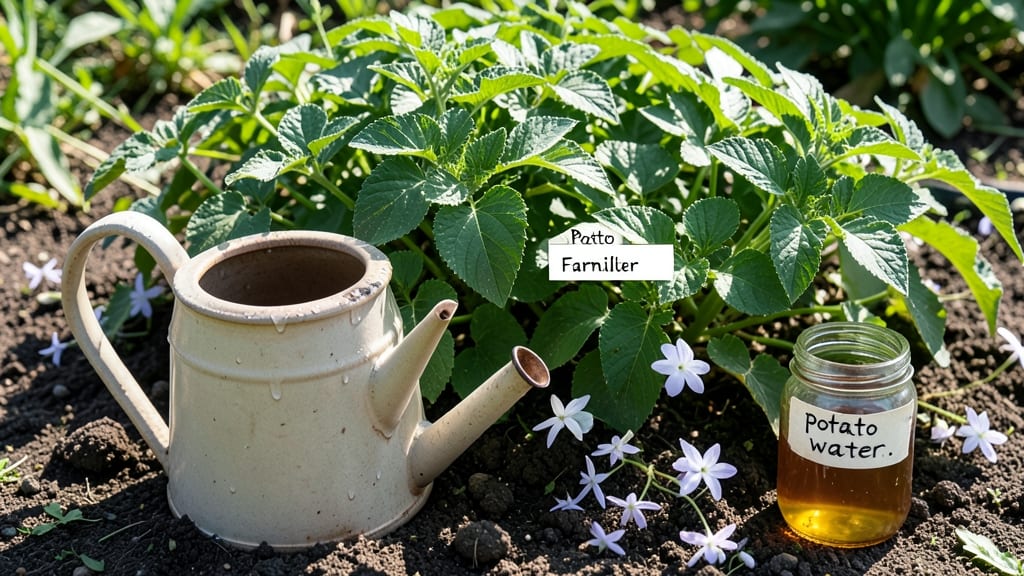
Potato water for plants offers a natural nutrient boost with potassium, starches, and mild organic compounds that promote root development and soil vitality—but it requires proper dilution and careful application to prevent harming delicate plant varieties.
This kitchen staple contains potassium-rich compounds released from potato peels, which act as a gentle fertilizer when diluted. 🌱 The starches in the water break down into sugars that feed soil microbes, creating a healthier ecosystem for roots.
However, undiluted potato water can raise soil salinity or pH levels too quickly, potentially scorching sensitive plants like ferns or azaleas. I always recommend using it as a weekly supplement rather than a primary nutrient source, especially for heavy feeders like tomatoes and peppers.
The preparation method matters too—boiling potatoes with skins releases more nutrients than soaking, but the water should still be cooled and strained before use. For best results, mix it with rainwater at a 1:3 ratio to avoid overloading soil with sodium.
This approach turns what might seem like kitchen waste into a cost-effective, organic growth enhancer that many gardeners swear by.
💡 In This Article
- How Potato Water Boosts Plant Growth: Nutrient and pH Analysis
- Step-by-Step Guide: Harvesting and Applying Potato Water Safely
How potato water boosts plant growth: nutrient and pH analysis
The real magic in potato water comes from its potassium content, which is concentrated in the peels. When you boil potatoes with their skins on, you're essentially creating a liquid fertilizer rich in potassium chloride and potassium phosphate—compounds that plants crave for strong root development and flowering.
Studies show that potatoes contain about 420-500 mg of potassium per 100 grams, and that potassium dissolves into the water during cooking, creating a mild but effective nutrient solution. This potassium helps regulate water movement in plant cells, making them more drought-resistant and vibrant.
The starches in potatoes also play a crucial role, breaking down into simple sugars during cooking. These sugars feed beneficial soil microbes, which in turn create a more fertile environment for plant roots. The process is similar to how compost tea works—it stimulates microbial activity without overwhelming the soil.
However, the pH of potato water typically falls between 5.5 and 6.5, which is slightly acidic. While this range suits many plants, it can be too high for acid-loving varieties like blueberries or hydrangeas, which prefer pH levels below 5.0.
This is why dilution is critical—it moderates both the nutrient concentration and the pH impact.
What most people don't realize is that potato water also contains trace amounts of sodium from the cooking process. While sodium isn't harmful in small doses, excessive use can lead to soil salinity over time, which stunts root growth.
The sodium content is highest when using salted water for boiling, so opt for unsalted water if you're planning to use the potato water for gardening. 🌱 The key is balance: potato water should be used as a supplement, not a replacement for balanced fertilizers, especially for nutrient-heavy crops like tomatoes or peppers.
Another fascinating aspect is how potato water interacts with soil microbes. The organic compounds in the water act as a food source for beneficial bacteria and fungi, which in turn break down organic matter and make nutrients more available to plants.
This microbial boost is why many gardeners notice improved soil structure and better water retention after using potato water regularly. However, the effect is subtle—it's not a miracle cure, but rather a gentle nudge toward healthier soil ecosystems.
To maximize benefits, always cool the potato water completely before using it, as hot water can kill beneficial microbes and harm plant roots. Strain out any potato pieces to prevent clogging soil pores, which could lead to root rot.
The water should have a pale yellowish hue—any darker color indicates overconcentration of nutrients, which can harm plants if not properly diluted. This is where the 1:3 dilution ratio comes into play, ensuring you're providing nutrients without overwhelming the soil chemistry.
For those curious about the science, think of potato water as a mild, organic version of a potassium-rich fertilizer like banana peel tea. The difference lies in the starch content and the way it interacts with soil microbes.
While banana peels are primarily potassium sources, potatoes add an extra layer of microbial food, making them a more comprehensive soil amendment. This dual-action is why potato water works well for both foliage plants and fruiting vegetables, as long as it's used judiciously.