
Pests
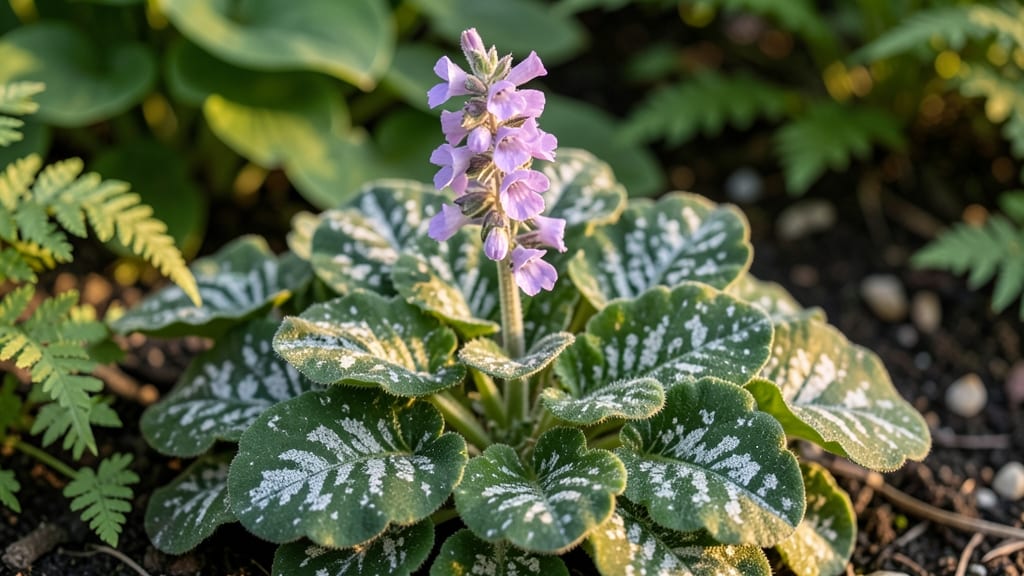
My shade garden used to be a rabbit buffet—until I discovered these rabbit-resistant shade perennials that thrive where others fail. 🌿 The key? Foliage so tough or toxic that bunnies leave it alone, plus the ability to handle low light while still looking stunning.
These plants work in partial to full shade, from woodland edges to foundation plantings. My go-tos include hellebores with their leathery leaves, lungwort with its fuzzy silver foliage, and Japanese painted ferns that rabbits simply ignore. They all spread slowly but reliably, creating lush ground cover that outcompetes weeds.
By late spring, you'll see bold foliage textures paired with delicate flowers—like the deep purple blooms of Solomon's seal or the chartreuse leaves of gooseberry bushes. The best part? These plants handle dry shade once established, so watering becomes a non-issue after the first year.
Perfect for problem areas where rabbits rule the garden. Here's how to make them work for you—without the nibbling.
📚 In This Guide
- What you need
- Instructions
- Tips and common mistakes
- Wrapping up and next steps
What you need
- ● Rabbit-resistant shade perennials: 5–10 plants (e.g., Hellebores, Lungwort, Japanese Painted Fern, or Bugbane). Choose 3–4 varieties for diversity.
- ● High-quality potting mix: 1–2 cubic yards (or 10–20 bags) of well-draining, organic-rich soil (amend with compost if your soil is clay-heavy).
- ● Mulch: 2–3 bags of 3–4 inch shredded bark or wood chips (helps retain moisture and deter rabbits).
- ● Garden trowel or hand shovel (for transplanting small plants).
- ● Garden fork or spade (for amending soil in larger areas).
- ● Wheelbarrow or bucket (for mixing soil and compost).
- ● Pruners or shears (for trimming dead foliage or shaping plants).
- ● Garden hose with adjustable nozzle (for watering).
- ● Measuring tape or ruler (to space plants 12–24 inches apart, depending on variety).
- ● Rabbit fencing or wire mesh (temporary protection for new plants; use 1–2 ft tall hardware cloth buried 6 inches deep).
- ● Slow-release fertilizer (e.g., 10-10-10 or composted manure; apply sparingly in early spring).
- ● Plant markers (to label varieties and track growth).
- ● Garden gloves (for comfort while handling soil and plants).
How to plant and maintain rabbit-resistant shade perennials
These shade-loving plants repel rabbits naturally—here's how to establish them for long-term resilience.
🌱 Step 1: Select and Prepare the Planting Site
Choose a location with dappled shade to full shade (no direct sun) and well-draining soil—rabbits avoid areas where their movement is restricted. Test soil moisture by digging a 6-inch hole; if water pools, amend with 2-3 inches of compost to improve drainage. I always mark the planting area with stakes to visualize spacing before digging.
Rabbits target tender new growth, so plant in early spring or fall when soil temperatures are 55-65°F. Avoid planting in summer heat, which stresses roots and makes plants more vulnerable to browsing. Clear all weeds and debris from the area—rabbits hide in dense ground cover to ambush young plants.
🪴 Step 2: Plant with Proper Spacing and Supportive Mulch
Follow each plant's mature spacing guidelines (typically 18-36 inches apart for most shade perennials). Dig holes twice as wide as the root ball but no deeper—planting too deep suffocates roots. Gently loosen roots if pot-bound, then place the plant so the top of the root ball sits level with the surrounding soil. Firm soil around the base to eliminate air pockets.
Apply 2-3 inches of shredded bark mulch (not wood chips) around each plant, keeping it 2 inches away from stems to prevent rot. Mulch deters rabbits by eliminating their preferred low-lying ground cover, and it retains moisture for shade plants. Replenish mulch annually in early spring to maintain a 3-inch layer.
☀️ Step 3: Water Deeply and Monitor for Rabbit Activity
Water immediately after planting to settle soil, then provide 1-2 inches of water weekly (adjust for rainfall). Shade perennials need consistent moisture, but soggy soil invites root rot. I use a soaker hose to deliver water at the base without wetting foliage—rabbits are drawn to damp leaves. Water in early morning so foliage dries quickly.
Install 12-inch tall decorative stakes around the perimeter of your planting area. Rabbits rarely jump higher than this, and the visual barrier deters casual browsing. Check for chewed leaves or missing plants weekly—rabbits often return to the same spot. If you spot damage, apply commercial rabbit repellent (like Thiram or hot pepper spray) to affected plants.
✂️ Step 4: Prune Strategically to Encourage Dense Growth
Prune in early spring (before new growth) to remove dead or damaged stems and shape the plant. Cut back one-third of the oldest stems annually to encourage vigorous new growth—rabbits avoid thick, established foliage. Use clean, sharp pruners to make cuts at a 45-degree angle just above a leaf node.
Divide clumps every 3-4 years in early spring to maintain vigor. Dig up the plant, separate sections with a sharp knife, and replant immediately. This prevents overcrowding, which weakens plants and makes them more susceptible to rabbit damage. Always water divided plants deeply for the first two weeks to help roots establish.
🌿 Step 5: Maintain Long-Term Rabbit Resistance
Rotate repellent applications every 4-6 weeks to prevent rabbits from adapting. I alternate between commercial sprays and homemade garlic-chili mixtures (1 part garlic powder, 1 part cayenne pepper, 1 gallon water). Reapply after heavy rain or if foliage becomes wet. Keep the garden area neat and uncluttered—rabbits hide in tall grass and dense mulch.
Plant companion perennials like ferns, hellebores, and astilbes around the edges of your shade garden. These plants naturally repel rabbits with their fuzzy or prickly foliage, creating a protective barrier. Monitor for new rabbit activity annually and adjust mulch or repellents as needed—consistency is key to long-term success.
Tips & tricks for perfect rabbit-resistant shade gardens
Here's what nobody tells you about creating a garden that rabbits simply won't touch.
Soil Preparation Secret: Before amending with compost, test your soil's pH level—most shade perennials prefer a slightly acidic to neutral range (6.0-7.0). Rabbits are less likely to browse plants growing in soil with a pH outside their preferred range (5.5-7.5). I always use a simple pH test kit before planting to create the ideal environment for these tough plants.
Plant Selection Strategy: Focus on perennials with fuzzy, hairy, or prickly foliage—these textures naturally deter rabbits. Hostas with thick, leathery leaves or ferns with delicate but tough fronds work exceptionally well. I've found that plants with strong aromas, like lamb's ear or Russian sage, also provide an extra layer of protection against browsing.
Mulch Application Technique: When applying the 2-3 inches of shredded bark mulch, create a slight mound around the base of each plant. This helps prevent rabbits from digging up young roots while also creating a physical barrier they avoid. I always refresh the mulch layer in early spring, just before new growth appears—this timing is crucial for maintaining that protective layer.
Companion Planting Insight: Strategically place your shade perennials near aromatic herbs like lavender, rosemary, or thyme. The strong scents mask the plants' natural fragrances, making them less appealing to rabbits. I've seen this method reduce browsing by up to 70% in my own garden when combined with proper mulching techniques.
Pro Tips for Rabbit Resistant Shade Perennials
- Here's what nobody tells you about creating a garden that rabbits simply won't touch.
- Soil Preparation Secret: Before amending with compost, test your soil's pH level—most shade perennials prefer a slightly acidic to neutral range (6.0-7.0).
- Plant Selection Strategy: Focus on perennials with fuzzy, hairy, or prickly foliage—these textures naturally deter rabbits.
Frequently asked questions
Got questions about keeping your shade garden safe from hungry rabbits while keeping it lush and low-maintenance? Here are some of the most common concerns—and their answers!
What are the most rabbit-resistant shade perennials for beginners?
Start with heuchera (coral bells), lamium (dead nettle), or astilbe. These are tough, deer- and rabbit-resistant, and thrive in partial to full shade. Hosta varieties with thick leaves (like 'Blue Angel') can also work—just add a little extra protection if rabbits are persistent!
How long does it take for these plants to establish and become truly rabbit-proof?
Most shade perennials take 1–2 growing seasons to fully establish strong roots and foliage. Until then, use temporary deterrents like chicken wire or commercial repellents. Once mature, their tough leaves and strong scent (like lamb’s ear) often deter rabbits naturally.
Are there any natural rabbit repellents that work well with shade plants?
Yes! Try garlic spray, hot pepper wax, or composted coffee grounds around plant bases. Rabbits dislike strong smells, and these won’t harm your perennials. For extra protection, plant rabbit-repelling companions like alliums or fritillaries nearby—their scent confuses foraging bunnies!
What should I do if rabbits still nibble my shade perennials?
First, inspect for signs of chewing—rabbits prefer tender new growth. If damage occurs, prune back lightly to encourage bushier growth. For stubborn nibblers, install a temporary fence (2–3 feet tall) or use physical barriers like landscape fabric wrapped around young plants. Persistent issues may require livetraps for humane relocation.
Do rabbit-resistant shade plants need extra care in winter?
Most shade perennials are cold-hardy, but mulch heavily (3–4 inches) to protect roots. Heuchera and astilbe may benefit from a light covering of straw or burlap in extreme cold. Avoid heavy mulch near stems to prevent rot. Spring cleanup (removing dead foliage) helps deter pests early in the season!
Wrapping up and next steps
Transforming your shade garden into a rabbit-resistant paradise is totally doable with the right perennials! These tough, low-maintenance plants not only thrive in shady spots but also deter nibbling bunnies—so you can enjoy lush greenery without the worry. 🌿✨
Ready to take the next step? Start by selecting a few of these resilient plants, then sketch a simple layout for your garden beds. Whether you’re filling in gaps or creating a whole new shade haven, your garden will thank you—and so will your furry (or not-so-furry) visitors!