
Watering
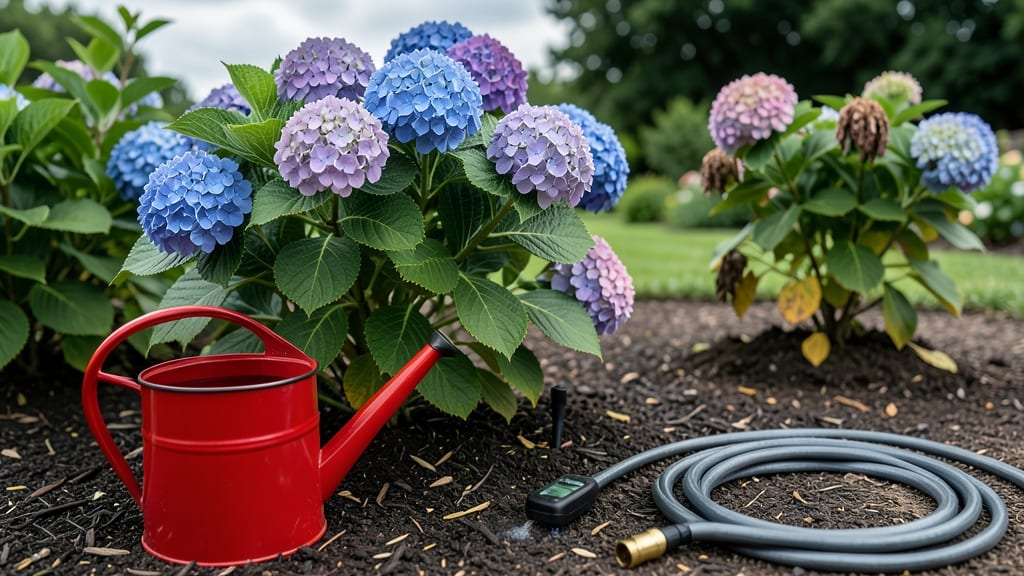
Watering flowers every day isn’t always the best move — in fact, it could be silently strangling their roots if you’re not careful.
Overwatering kills more plants than underwatering — and yet, many gardeners still debate whether flowers need daily hydration. The truth lies in science, not guesswork.
Your soil type, flower variety, and even the season play a bigger role than you might think. A thirsty rose in summer needs deep, infrequent watering, while a drought-tolerant succulent in spring might only need a sip every 5-7 days.
Below, I’ll walk you through the science-backed schedule, how to spot overwatering, and how to adjust for your climate — so your flowers thrive without the guesswork.
The science behind flower watering: how often is too often?
Most gardeners assume flowers need daily watering, but science shows this is rarely true. The root zone—where roots absorb moisture—actually thrives on consistent but not constant hydration.
Daily watering can drown roots, suffocate soil microbes, and invite fungal diseases. Instead, aim for deep, infrequent watering that encourages strong root growth.
Your flower's water needs depend on three key factors: soil type, plant species, and climate conditions. Sandy soil drains quickly, while clay holds moisture longer. Annuals like marigolds need frequent hydration, while perennials like coneflowers store water better.
Even within the same species, a potted petunia dries out faster than one in garden beds.
Here’s the hard truth: Daily watering is only necessary in extreme heat (90°F+ with low humidity) or for container-grown flowers. Most garden flowers prefer every 2–4 days in summer and every 5–7 days in cooler months. Let’s break down the science behind these numbers.
| Flower Type | Daily Watering? | Ideal Frequency | Soil Depth to Water |
|---|---|---|---|
| Annuals (e.g., petunias, geraniums) | No (unless extreme heat) | Every 2–3 days (summer) | 3–4 inches |
| Perennials (e.g., black-eyed Susans, daylilies) | Never (except drought) | Every 5–7 days (spring/fall) | 4–6 inches |
| Succulents (e.g., sedum, echeveria) | No (toxic to roots) | Every 10–14 days | 1–2 inches (let dry) |
| Container Flowers (e.g., potted roses, basil) | Yes (summer only) | Daily (morning only) | 2–3 inches (full pot) |
| Bulbs (e.g., tulips, daffodils) | No (after blooming) | Every 2–3 weeks (spring) | 1–2 inches (topsoil) |
The root zone of most flowers extends 6–12 inches deep. Watering shallowly (just the top inch) tricks plants into thinking they’re thirsty, leading to overwatering. Instead, use a soaker hose or drip irrigation to deliver moisture to the root zone. This method reduces evaporation and keeps soil microbes happy.
Another myth is that morning watering is always best. While true for most plants, evening watering can work in dry climates—just avoid wetting leaves to prevent fungal diseases like powdery mildew. The key is consistency: water at the same time daily so roots adjust to the schedule.
Climate plays a huge role. In humid regions like the Southeast, flowers may need watering every 3–4 days even in summer. But in arid zones like Arizona, daily watering might be necessary for container plants during heatwaves.
Always check the top 1–2 inches of soil—if it’s dry, it’s time to water.
Young flowers (first year) need more frequent watering because their root systems are shallow. Established perennials, however, can go 10–14 days without water once their roots are deep.
Mulching with 2–3 inches of organic matter (like straw or wood chips) locks in moisture and reduces evaporation by up to 30%.
Signs of overwatering include yellowing leaves, mushy stems, and a sour smell from the soil. Underwatered flowers wilt in the afternoon but perk up at night. The goal is to mimic natural rainfall patterns: deep soakings followed by dry spells. This teaches roots to seek moisture deeper underground.
Pro tip: Use a moisture meter or the "finger test" to check soil moisture. Stick your finger 2 inches deep—if it feels dry, water; if damp, wait. Over time, you’ll develop a feel for your garden
Signs your flowers are overwatered (and how to fix it)
Your flowers might be begging for help if you're watering them daily without checking their health first. Overwatering is a silent killer—it suffocates roots, invites pests, and creates the perfect conditions for fungal diseases.
The key is understanding what "too much" looks like, so you can adjust before it's too late.
Most gardeners assume wilting means thirst, but overwatered flowers often wilt too—only this time, the soil stays soggy and roots can't breathe. Look for yellowing leaves, mushy stems, or a foul smell from the soil. These are your plants' SOS signals, not a request for more water.
⚠️ Daily Watering = Danger Zone
Unless you're in a desert climate or growing water-loving plants like lotus, daily watering is overkill. Most flowers need deep watering every 2-3 days—not a quick splash. Test soil moisture by sticking your finger 1-2 inches deep; if it's damp, wait. Soggy soil = root rot risk.
Start by adjusting your watering schedule—morning is best, as it allows foliage to dry before evening. If your flowers are already struggling, reduce frequency and let the top inch of soil dry out between waterings.
For potted plants, ensure containers have drainage holes and avoid saucers full of standing water.
Yellow leaves are a classic overwatering symptom, but don't confuse them with nutrient deficiencies. If leaves turn yellow and feel soft or mushy, that's root rot talking. Prune affected areas immediately with sterilized scissors and repot in fresh, well-draining soil if needed.
Fungal growth like powdery mildew or black spot on leaves? That's your soil's way of saying, "We're too wet!" Improve airflow by spacing plants properly and remove mulch from the stem base. A fungicide spray (neem oil works well) can help, but prevention starts with less water.
Don't ignore soil smells—a musty or rotten odor means anaerobic bacteria are feasting on your roots. Flush the soil with water to remove excess salts, then let it dry out completely.
For severe cases, transplant the flower into fresh soil and hold off on watering for a few days to reset the roots.
Remember: Healthy soil = happy flowers. Amend compacted or clay-heavy soil with compost or perlite to improve drainage. And always water at the base of the plant, not overhead—this keeps foliage dry and reduces disease risk. Your flowers will thank you with vibrant blooms all season long! 🌸