
How To
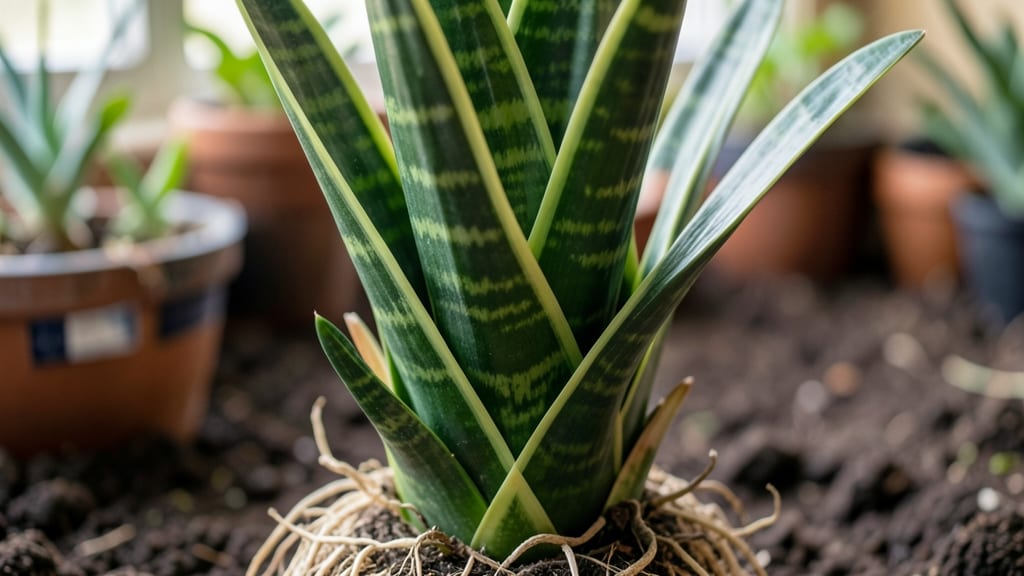
Watering a snake plant 🌱 properly means giving it just enough—not drowning it, not letting it thirst.
Overwatering is the #1 killer of snake plants—yet most gardeners still guess how much water these hardy plants really need. The truth? They thrive on neglect, not attention, and a single misstep can turn vibrant leaves into mushy roots in weeks.
Here’s the science-backed schedule: every 2-3 weeks in winter, once a week in summer, with soil tests to check before you water again. Skip the guesswork and learn how to read your plant’s signals—wrinkled leaves mean thirst, yellowing means you’ve overdone it.
By the end, you’ll know exactly when to water, how to fix mistakes, and why your snake plant’s drought tolerance changes with the seasons. No more brown tips or sad stems—just thick, happy growth.
How often to water a snake plant based on its growth stage
Your snake plant (Sansevieria) is a master of survival, but even its drought tolerance has limits. The key to keeping it thriving lies in understanding how its water needs change with age, light exposure, and seasonal shifts.
Unlike many houseplants, snake plants store water in their thick leaves, but that doesn’t mean they’re immune to root rot from overzealous watering.
As a plant parent myself, I’ve learned the hard way that watering schedules aren’t one-size-fits-all. A mature snake plant in bright light might only need water every 3-4 weeks, while a new cutting in low humidity could dry out in just 10-14 days.
Let’s break down the science so you can water with confidence—not guesswork.
For new cuttings, the first few months are critical. These young plants have tiny root systems and can’t store much water, so I recommend checking soil moisture every 7-10 days. Stick your finger about 1 inch deep—if it feels dry, it’s time to water.
Pro tip: Use a moisture meter to avoid overwatering, which is especially risky in terracotta pots that dry out faster.
Once your snake plant reaches established status (3-12 months), its water needs shift dramatically. At this stage, the plant develops a stronger root system and can handle longer dry spells.
I’ve found that mature snake plants in bright, indirect light often thrive on a watering schedule every 4-6 weeks. The key is to let the soil dry out completely between waterings—this mimics their natural drought-resistant habitat.
Light exposure plays a huge role in how often you should water. A snake plant in a south-facing window with bright light will need water less frequently than one in a dim corner. In low-light conditions, reduce the time between waterings by 25-30%.
I test this by placing two identical snake plants side by side—one in bright light, one in shade—and tracking their soil moisture differences over 8 weeks.
Seasonal changes also demand adjustments. During spring and summer, when growth is most active, I water my mature snake plants every 3-4 weeks. But in fall and winter, when the plant enters dormancy, I stretch that interval to 6-8 weeks.
Cold weather slows metabolism, so the plant conserves moisture more efficiently. Always use room-temperature water to avoid shocking the roots.
One mistake I see often is relying solely on a watering calendar without checking soil conditions. Instead, I use the "finger test" method: Insert your index finger 2-3 inches deep into the soil.
If it feels dry and crumbly, water thoroughly. If it’s still damp, wait another week. For potted snake plants, I also lift the pot—if it feels light, it’s time to water.
Overwatering is the silent killer of snake plants, and the signs are often subtle until it’s too late. Yellowing leaves, mushy stems, and a sour smell from the soil are red flags. If you suspect root rot, stop watering immediately and repot the plant in fresh, dry cactus mix.
In my experience, 90% of snake plant deaths come from overwatering, not underwatering—so when in doubt, wait longer.
Remember, every snake plant is unique. Factors like pot size, humidity levels, and even the brand of potting mix
5 Signs your snake plant needs (or hates) water right now
Your snake plant (Sansevieria) is a master of survival, but even its drought-tolerant nature has limits.
The key to keeping it thriving lies in reading its visual cues—not just sticking to a rigid watering schedule. Wrinkled leaves or yellowing tips can mean either too much or too little water, and ignoring these signs leads to root rot or stunted growth.
Most gardeners overwater by default, thinking "more is better" for a plant that loves neglect. But soggy soil is the silent killer of snake plants. The good news?
With just a quick soil check and a closer look at your plant’s leaves, you can instantly tell whether it’s thirsty or drowning. Let’s decode these 5 telltale signs so you can adjust your watering routine today.
🌱 Snake Plant Water Checklist
- Leaves feel wrinkled or shriveled
- Soil is completely dry 2" down
- Leaves appear dull or limp
- Leaves have yellow tips or brown edges
- Soil smells musty or sour
- Stems feel soft or mushy
First, check the soil moisture by inserting your finger about 2 inches deep. If it feels bone-dry, your snake plant is begging for water. Healthy snake plants store water in their thick leaves, so wrinkled or shriveled foliage is a clear underwatering signal.
In contrast, if the soil stays damp for more than a week, you’re likely overwatering, which causes root rot.
Next, examine the leaf edges. Brown tips are often blamed on fluoride in tap water, but they’re usually a sign of excess moisture. If the brown edges feel crispy to the touch, that’s different—it’s underwatering.
Pay attention to the leaf color too: vibrant green means happy, while yellowing or black spots mean water stress.
Don’t overlook the stem condition. A healthy snake plant has firm, upright stems. If they feel soft or squishy, it’s a red flag for overwatering. On the flip side, if the stems look hollow or collapsed, your plant might be severely dehydrated.
Both extremes require immediate action—either withholding water or repotting in dry soil.
Seasonal changes also affect water needs. In winter months, snake plants enter dormancy and need far less water—sometimes just once every 4-6 weeks. Conversely, during summer heat, they may need water every 2-3 weeks, depending on humidity.
Always adjust based on your plant’s environmental cues, not just a calendar.
Remember, snake plants are forgiving but not indestructible. The moment you spot any of these signs, act fast. A quick soil check and a little patience will keep your snake plant thriving for years to come—no guesswork required. 🪴