
How To
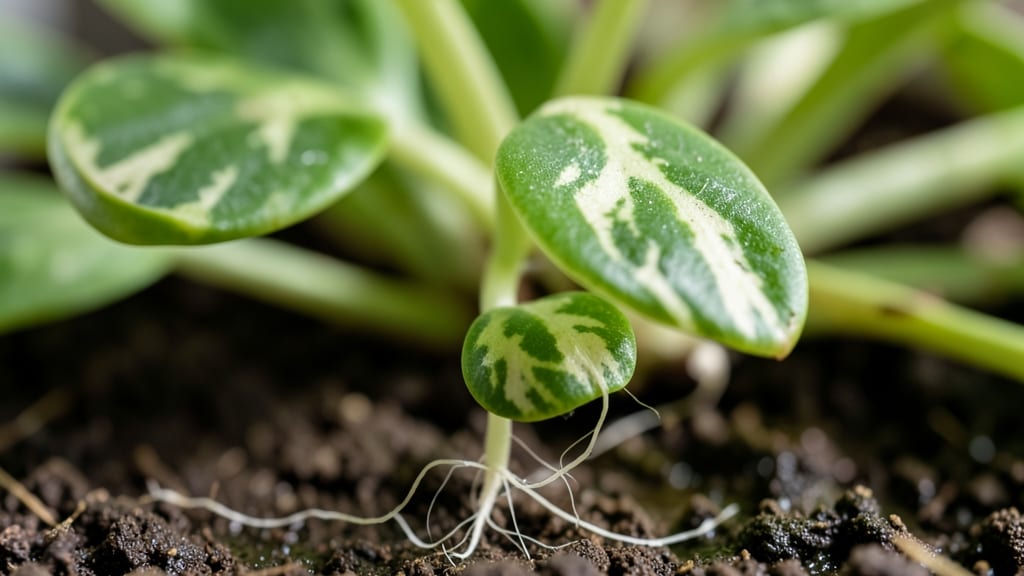
Watering your spider plant the right way keeps its arching 🕷️ leaves vibrant and prevents root rot—most people overdo it without realizing it.
Overwatering is the #1 killer of spider plants, yet most gardeners don’t know the exact watering schedule to keep their variegated leaves thriving. Master this simple routine to avoid root rot and watch your plant grow lush, arching foliage in weeks.
Instead of guessing, check the top inch of soil first—if it’s dry, it’s time to water. In summer, aim for every 5-7 days, while winter slows things down to every 2 weeks. A pot with drainage holes is your best friend here.
Below, I’ll break down the seasonal watering schedule, how to spot over- or underwatering, and the best methods to keep your spider plant happy without the guesswork.
Spider plant watering schedule: how often to water by season
Your spider plant thrives on consistency, but its water needs shift dramatically with the seasons. Unlike drought-tolerant succulents, these plants prefer moist (not soggy) soil year-round, with adjustments for indoor humidity and outdoor temperature swings.
The key? Checking soil moisture 1-2 inches deep before watering—this simple test prevents both root rot and crispy brown tips.
Indoor spider plants (especially in dry winter air) often need water every 7-10 days, while outdoor plants may require daily checks in summer heat. Container size matters too: a 6-inch pot dries faster than a 12-inch planter.
Let’s break down the science-backed schedule to keep your plant’s variegated leaves perky and its roots happy.
Spring is your spider plant’s growth explosion season—water when the top 1-2 inches of soil feel dry to the touch. For indoor plants, place your finger in the soil: if it’s cooler than your skin temperature, it’s time to water.
Outdoor plants may need daily checks during heatwaves, but always let excess water drain completely to prevent root rot.
Summer heat increases evaporation, so check soil moisture daily for outdoor plants. A pro tip: water in the early morning to reduce fungal risks from prolonged wet foliage.
For indoor plants, group them near a humidifier or pebble tray to mimic their natural tropical habitat—this cuts watering needs by 20-30%.
Fall signals slower growth, so reduce watering frequency by 30-50%. Your plant’s leaves will naturally droop slightly when thirsty, but they should spring back within hours after watering. If they stay limp for days, it’s a sign of underwatering—not overwatering. Test soil moisture at 2 inches deep before watering.
Winter is dormancy season for spider plants. Cut back to bi-weekly watering and let the soil dry out completely between sessions. Brown tips in winter? It’s often due to low humidity from indoor heating, not overwatering.
Move your plant away from vents and mist leaves lightly (but not excessively) to maintain moisture levels.
Container size drastically affects watering needs. A small 4-inch pot may need water every 5 days, while a large 12-inch planter can go 2 weeks without water. Always use pots with drainage holes and avoid saucers that trap excess water.
For self-watering pots, fill the reservoir every 10-14 days in summer and every 3-4 weeks in winter.
Humidity plays a hidden role in watering schedules. Indoor plants in dry climates (below 40% humidity) need water 2-3 days earlier than their humid counterparts.
Boost humidity by placing your spider plant on a pebble tray or near other houseplants. Outdoor plants in high-humidity zones can handle longer gaps between waterings.
Watch for these visual cues: crispy brown tips mean underwatering (or low humidity), while yellow leaves and mushy stems signal overwatering. Adjust your schedule based on your plant’s response—if leaves perk up after watering, you’re on track.
If they stay droopy, check for root rot by gently removing the plant from its pot and inspecting the roots.
Remember: consistency is
Signs your spider plant needs water (or too much!)
Your spider plant (Chlorophytum comosum) sends clear signals when it's thirsty or drowning in moisture. The key is learning to read these visual and tactile cues before they become irreversible damage. I’ve seen brown tips from underwatering and mushy stems from overwatering—both are fixable if caught early!
Start by checking the soil moisture with your finger. Stick it 1-2 inches deep—if it feels dry, it’s time to water. But if the soil stays soggy for days, you’ve got a root rot emergency on your hands. The good news? Spider plants are resilient when you act fast.
🌱 Quick Diagnostic Guide
For underwatered spider plants, trim the brown tips with clean scissors and give it a deep drink. Place the pot in a pebble tray to boost humidity—this mimics their natural tropical habitat. Within 2-3 weeks, you’ll see fresh green growth emerging from the center.
If you’ve overwatered, don’t panic! First, stop watering immediately. Gently remove the plant from its pot and inspect the roots. Healthy roots are firm and white; rotten roots are brown and mushy.
Trim the bad ones with sterilized scissors, then repot in fresh, well-draining soil. Place the pot in bright, indirect light and water only when the top 1 inch feels dry.
Prevent future mistakes by adjusting your watering schedule. In spring/summer, water every 5-7 days; in fall/winter, stretch it to every 10-14 days. Always check the soil first—your spider plant’s leaves will thank you with vibrant variegation and those iconic arching stems!
Remember: Consistency is key. Spider plants thrive on routine, so mark your calendar or set a phone reminder. With these signs in mind, you’ll keep your plant happy, healthy, and lush for years to come! 🌿