
Orchid Care
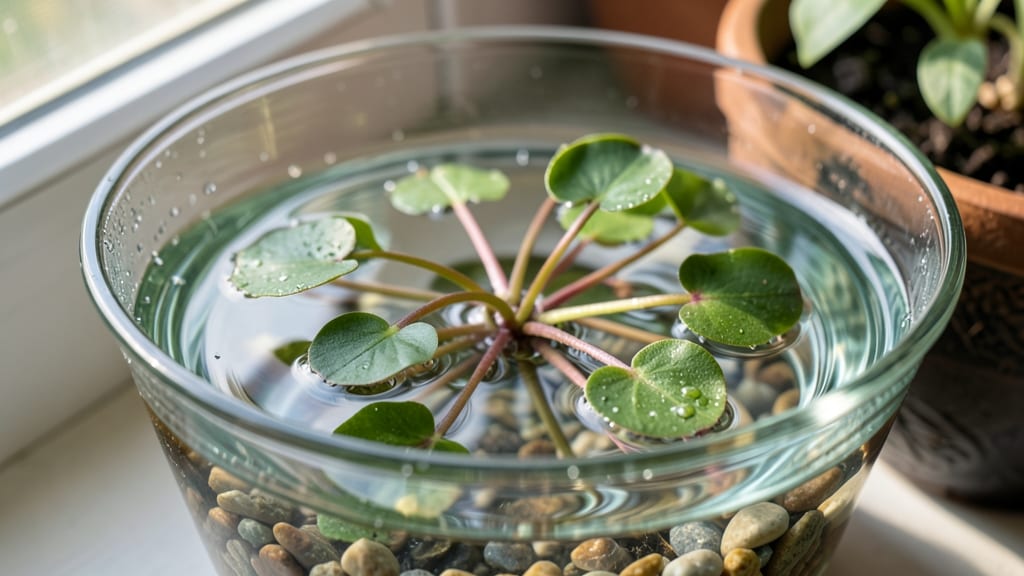
Watering orchid sprouts depends on soil dryness—only when the top inch feels dry, about every 7–10 days. Avoid soggy conditions to prevent root rot. Use well-draining media and check moisture before watering.
Orchid sprouts thrive on a precise watering schedule because their roots need air circulation as much as moisture. 💧 Unlike mature orchids, these young plants are especially vulnerable to overwatering, which can suffocate their delicate roots.
I’ve found that using a moisture meter or simply sticking your finger into the soil helps avoid guesswork—this method is far more reliable than sticking to a rigid schedule. The key is balance: too little water stunts growth, while too much creates the perfect environment for fungal infections.
For best results, water orchid sprouts in the morning so excess moisture can evaporate throughout the day. A spray bottle works well for gentle hydration, but avoid letting water pool in the pot’s base.
If you notice yellowing leaves or a mushy stem, these are clear signs of overwatering—act fast by repotting in fresh, dry media and trimming any damaged roots. This careful approach ensures your sprouts grow strong and healthy.
💡 In This Article
- Orchid Sprout Hydration Science: Roots, Soil, and Water Balance
- Step-by-Step Guide to Watering Orchid Sprouts Without Drowning Them
Orchid sprout hydration science: roots, soil, and water balance
Orchid sprouts rely on a unique root system called velamen, a spongy outer layer that absorbs water while allowing oxygen to reach inner tissues. Unlike traditional plants, orchid roots need aeration—when submerged in water for too long, they suffocate and rot.
This is why well-draining media (like bark or sphagnum moss) is critical: it mimics their natural epiphytic habitat, where roots cling to trees and absorb moisture from brief rain showers rather than constant dampness.
The moisture retention of your potting mix directly impacts watering frequency. Bark-based mixes dry out faster (every 7-9 days) because they hold less water, while peat-heavy mixes stay moist longer (up to 10-14 days).
Test your mix by pressing your finger 1 inch deep—if it feels dry, it’s time to water. Humidity also plays a role: in low-humidity environments (below 40%), sprouts may need water every 5-7 days, while high humidity (above 60%) can stretch intervals to 10-12 days.
Overwatering triggers a cascade of problems: excess moisture blocks oxygen, causing roots to turn brown and mushy. This is often accompanied by yellowing leaves or a foul smell from bacterial growth. The opposite issue—underwatering—leads to wrinkled pseudobulbs or stunted growth, as the plant conserves energy.
The sweet spot is 60-70% humidity with 12-16 hours of indirect light daily, which helps regulate moisture needs naturally.
Here’s how to diagnose watering issues:
- Healthy roots: Green, firm, and slightly silvery when dry
- Overwatered roots: Dark, soft, and slimy to the touch
- Underwatered roots: Dry, brittle, and shriveling
For example, if your sprouts are in a clear plastic pot, you can visually check root color—healthy roots should be green when hydrated and silver-gray when dry. This transparency eliminates guesswork and helps you adjust your schedule based on real-time conditions.
Pro tip: Place a small tray of water near your orchid (but not touching the pot) to boost humidity without overwatering. This mimics the natural misty environment orchids thrive in, reducing the need for frequent watering while keeping roots happy.