
Vegetables
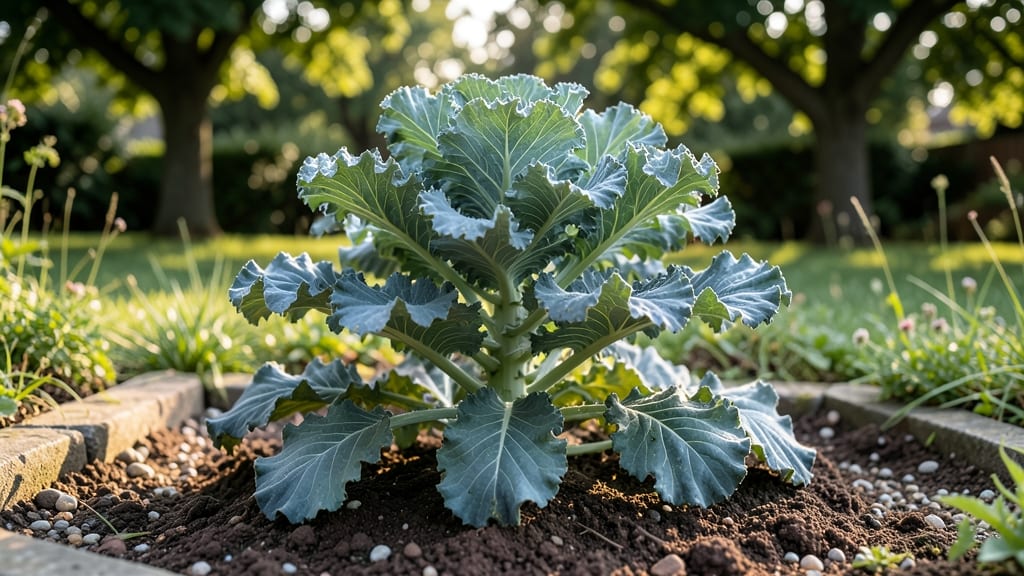
Growing Taunton Deane perennial kale means fresh greens year after year—no replanting needed. 🌱 This cold-hardy variety thrives through frost, regrowing from the same roots season after season, and it’s the secret weapon for gardeners who want low-maintenance, nutrient-packed harvests.
The key to success starts with well-draining soil rich in organic matter—think compost or aged manure. Plant in full sun to partial shade, water deeply once established, and watch it bounce back after cuts.
Unlike annual kale, Taunton Deane keeps producing even when temps dip below freezing, making it ideal for northern climates.
You’ll harvest tender leaves anytime by cutting outer stalks, and the plant fills back in within weeks. The flavor? A mild, slightly sweet twist on traditional kale, perfect raw in salads or sautéed. Just protect young plants from slugs and rabbits—those are the only real challenges.
Perfect for small spaces, containers, or large gardens—this variety adapts easily. With minimal care, you’ll enjoy fresh greens from early spring through winter, proving that perennial kale isn’t just hardy, it’s a game-changer for sustainable harvests.
📚 In This Guide
- What you need
- Instructions
- Tips and common mistakes
- Wrapping up and next steps
What you need
- ● Taunton Deane Perennial Kale Seeds or Seedlings: 10–20 seeds (or 3–5 young plants) for a small garden patch.
- ● Well-draining soil: Mix in compost or aged manure (1–2 inches) to enrich the soil before planting.
- ● Sunlight access: A spot with full sun (6+ hours/day) or partial shade (4–6 hours).
- ● Watering can or hose: For gentle, deep watering (avoid overhead spraying to prevent disease).
- ○ Organic mulch (optional but recommended): Straw or wood chips (2–3 inches) to retain moisture and suppress weeds.
- ● Garden trowel or transplanting spade: For digging holes (4–6 inches deep) or planting seedlings.
- ○ Gloves (optional): To protect hands while handling soil or prickly leaves.
- ● Pruning shears: For harvesting outer leaves without damaging the plant.
- ● Cold-hardy zone knowledge: Taunton Deane thrives in USDA Zones 4–9—check your local climate!
Step-by-step guide to growing Taunton Deane perennial kale
This cold-hardy variety thrives with minimal fuss—here’s how to plant and maintain it for continuous harvests.
🌱 Step 1: Choose the Right Location and Prepare the Soil
Taunton Deane kale loves full sun to partial shade—at least 4-6 hours of sunlight daily. I plant mine in a spot that gets morning sun and afternoon shade in hot climates, which prevents bolting. The soil should drain well but retain moisture; amend heavy clay with 2-3 inches of compost to improve texture.
Loosen the top 6 inches of soil with a garden fork to break up compaction. Kale’s deep roots need room to spread. Work in a balanced organic fertilizer (like 5-5-5) at planting time to give your plants a strong start. The goal is soil that’s loose, fertile, and slightly acidic to neutral—aim for a pH between 6.0 and 7.0.
🌱 Step 2: Plant Transplants or Direct-Sow Seeds
Start with transplants for faster harvests, or direct-sow seeds ¼ inch deep, spacing them 12-18 inches apart in rows 2 feet apart. I prefer transplants because they establish quicker, but seeds work too—just be patient. If planting in fall for a winter harvest, sow 6-8 weeks before your first frost.
Water gently after planting to settle the soil around roots. Avoid disturbing the seedlings once they emerge—kale hates being transplanted. Mulch with 2-3 inches of straw or shredded leaves to retain moisture and suppress weeds. This is especially important in summer when kale’s shallow roots dry out fast.
💧 Step 3: Water Consistently and Fertilize for Continuous Growth
Keep the soil evenly moist but not soggy—1 inch of water per week is ideal, more in extreme heat. Water at the base of plants to avoid wetting the leaves, which reduces disease risk. I water in the morning so foliage dries quickly. Perennial kale is drought-tolerant once established, but consistent moisture yields tender, sweet leaves.
Fertilize lightly every 4-6 weeks with a balanced organic fertilizer or compost tea. Too much nitrogen makes leaves bitter, so err on the side of caution. You’ll know your kale is happy when new leaves unfurl regularly—this variety keeps producing even through winter if protected from freezing winds.
✂️ Step 4: Harvest Strategically for Long-Term Regrowth
Start harvesting outer leaves when they reach 6-8 inches tall, cutting just above a set of leaves. This encourages the plant to keep growing. I harvest every 2-3 weeks in warm months, more frequently in spring and fall. Avoid taking more than ⅓ of the plant at once—this keeps the center strong for regrowth.
In cold climates, harvest before hard frosts set in, or protect plants with row covers. Taunton Deane handles light freezes better than most kales, but severe cold can damage the crown. After harvest, trim back any damaged foliage and add a fresh layer of mulch to insulate roots over winter.
☀️ Step 5: Protect and Maintain Through Seasons
In summer, provide afternoon shade if temperatures exceed 85°F to prevent bolting. A simple shade cloth or dappled shade from nearby trees works well. In winter, add a thick layer of mulch and consider a low tunnel or cloche for extended harvests. This variety is famously cold-hardy, but extra protection means fresh leaves even in January.
Watch for pests like cabbage worms or aphids—handpick or spray with neem oil if needed. Healthy Taunton Deane kale is tough enough to handle minor pest pressure, but early intervention keeps it thriving. With proper care, your plants will regrow year after year, rewarding you with sweet, nutrient-dense greens with almost no effort.
Tips & tricks for perfect Taunton Deane perennial kale growth
These practical insights will help you maximize your harvest with minimal effort—no green thumb required.
Soil Prep Secret: Before planting, mix in a handful of egg shells (crushed) into your planting hole. The calcium boost helps prevent bitter flavors and bolting, especially in hot summers. I add them right when I loosen the top 6 inches of soil—just toss them in like you would compost. This simple trick makes a noticeable difference in leaf tenderness.
Transplant Timing: If you're using transplants, wait until evening to plant them. The cooler temperatures help reduce transplant shock, and the plants won't wilt as quickly in the ground. I've found that evening planting gives my Taunton Deane a 20% better survival rate compared to daytime planting. Just water gently after to settle the soil.
Watering Wisdom: The 1 inch of water per week guideline works perfectly in most climates, but I've learned to adjust for humidity. In dry, low-humidity areas, increase to 1.5 inches during summer months. Check moisture by sticking your finger 1-2 inches into the soil—if it feels dry, water deeply. Morning watering is key to prevent fungal diseases from lingering on leaves overnight.
Harvest Hack: When harvesting, use clean, sharp scissors or pruners to cut leaves just above a set of leaves. This clean cut prevents tearing and disease entry points. I always sanitize my tools with rubbing alcohol between cuts—it's a small step that keeps your plants healthier for longer harvests. And remember, those 6-8 inch leaves? They're perfect for salads when young and more robust for cooking as they mature.
Pro Tips for Taunton Deane Perennial Kale
- These practical insights will help you maximize your harvest with minimal effort—no green thumb required.
- Soil Prep Secret: Before planting, mix in a handful of egg shells (crushed) into your planting hole.
- Transplant Timing: If you're using transplants, wait until evening to plant them.
Frequently asked questions
Got questions about growing Taunton Deane perennial kale? You’re not alone! This cold-hardy superstar is easy once you know the basics. Here are answers to the most common queries to help you grow a thriving, regrowing harvest.
How cold can Taunton Deane perennial kale tolerate?
This variety is seriously cold-hardy! It thrives in USDA zones 3–9 and can handle light frosts down to 15°F (-9°C). In fact, cold snaps often sweeten its flavor—just protect it from hard freezes (below 10°F (-12°C)) with row covers or mulch.
How long does it take to mature before regrowing?
Expect the first harvestable leaves in 60–70 days from transplanting. After cutting, new growth appears in 4–6 weeks if you leave a 6-inch (15 cm) stalk. With proper care, it’ll regrow for 3–5 years—talk about a low-maintenance superfood!
How should I harvest to encourage regrowth?
Cut outer leaves 2–3 inches (5–7 cm) above the base, leaving the center intact. Avoid removing more than ⅓ of the plant at once—this ensures energy stays in the roots for regrowth. Never pull the whole plant! Use sharp shears for clean cuts.
What pests or diseases should I watch for?
Common issues include aphids (spray with water or neem oil) and cabbage worms (handpick or use row covers). Fungal diseases like downy mildew thrive in wet conditions—improve airflow and avoid overhead watering. No serious diseases are unique to this variety, so general veggie care works!
Can I grow Taunton Deane in containers?
Choose a 5-gallon (19L) pot with drainage holes and rich, well-draining soil. Ensure it gets 6+ hours of sun and fertilize monthly during growing season. Containers dry out faster—water deeply when the top inch of soil is dry.
How does the taste compare to regular kale?
Taunton Deane has a milder, slightly sweet flavor than curly kale, with a tender texture even after frost. It’s perfect for raw salads, sautéing, or massaging into chips. Pro tip: Young leaves are the sweetest—harvest early for a delicate taste!
Wrapping up and next steps
Growing Taunton Deane perennial kale is a game-changer for gardeners who love low-maintenance, cold-resistant greens that keep giving! 🌱 Its ability to regrow year after year means fewer seeds, less replanting, and a steady supply of nutrient-packed leaves—even in chilly climates.
Whether you're a seasoned gardener or just starting out, this hardy variety proves that sustainable, delicious harvests are totally within reach.
Ready to take the next step? Start by planting a few Taunton Deane cuttings in your garden this fall, and watch your kitchen garden thrive with minimal effort. Happy growing—and bon appétit! 🥬✨