
Orchid Care
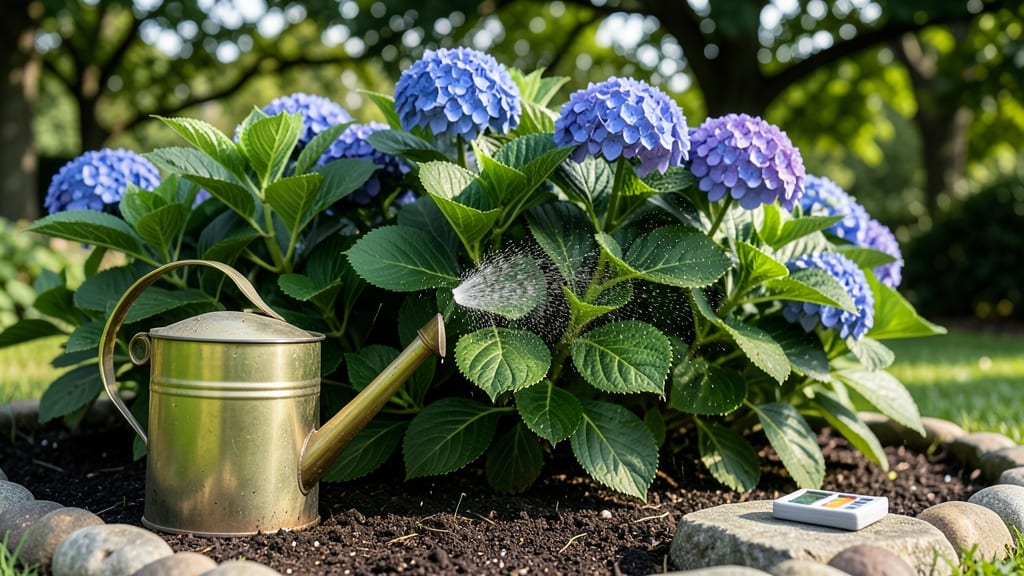
Watering hydrangeas 🌸 properly is the secret to those showstopping blooms you’ve been dreaming of—because how you water them (and what you water them with) changes everything from color to size.
Struggling to get your hydrangeas to bloom as vibrantly as the ones in garden magazines? The secret might be hiding in your watering routine—and your soil’s pH balance plays a bigger role than you think.
Hydrangeas love moisture but hate soggy roots, and the type of water you use can turn blue blooms pink (or vice versa) if you’re not careful. Too much chlorine in tap water?
Too little rain in summer? We’ll break down the exact schedule, signs of stress, and even how to test your soil’s pH without a fancy kit.
By the end, you’ll know not just when to water but how—plus the one trick to keep your hydrangeas thriving through droughts, heatwaves, and even hard water. Let’s get those blooms popping!
How often to water hydrangeas for maximum bloom color
Your hydrangeas might be begging for a consistent watering schedule—especially if their blooms look dull or wilted. These thirsty shrubs thrive on steady moisture, but overdoing it can suffocate roots. The key? Understanding their seasonal needs and variety-specific water demands.
For mophead hydrangeas, which boast those classic round blooms, deep watering 2-3 times per week in summer keeps their flowers vibrant.
Meanwhile, lacecap hydrangeas prefer slightly drier conditions, needing water only when the top 1-2 inches of soil feel dry. Panicle hydrangeas, like 'Limelight,' are the most drought-tolerant and can handle weekly watering once established.
Seasonal shifts matter too. In spring, when roots are reviving, aim for 1 inch of water per week. Summer heat demands deep soaks every 2-3 days—especially for potted hydrangeas. As fall arrives, taper back to weekly watering to prep for dormancy.
Overwatering shows up as yellowing leaves or mushy stems, while underwatering causes drooping blooms and crispy edges. Always check soil moisture by sticking your finger 2 inches deep—if it’s dry, it’s time to water.
Mulch plays a game-changing role in water retention. Apply 2-3 inches of organic mulch (like shredded bark) around the base to lock in moisture and regulate soil temperature. Just keep mulch 6 inches away from stems to avoid rot.
Potted hydrangeas need daily attention in summer. Their small root systems dry out fast—water when the top 1 inch of soil feels dry. Elevate pots to improve drainage, and use self-watering containers if you travel often.
Drought stress? Revive wilted hydrangeas by giving them a deep soak at sunset. This mimics natural rainfall and reduces evaporation. For severe drought, trim back wilting blooms to redirect energy to roots.
Ever notice how blue hydrangeas thrive in acidic soil while pink ones love alkaline? Watering habits influence pH too—rainwater (slightly acidic) can help shift colors over time. Pair your watering routine with annual soil tests for best results.
Pro tip: Use a moisture meter for precision. Stick it 2 inches deep—if it reads below 40%, it’s time to water. This tool saves hydrangeas from guesswork and root stress.
Adjust your routine based on local climate. In humid areas, water less frequently; in dry climates, increase frequency. Hydrangeas reward consistency with lush, colorful blooms all season long.
The hidden role of pH in hydrangea water requirements
Your hydrangeas might be thirsty, but are they really getting the right drink? The soil pH dramatically impacts how hydrangeas absorb water and nutrients, yet most gardeners overlook this critical factor.
A slight pH shift can turn your blue blooms pink or leave your plants wilting despite consistent watering. Let’s uncover how to test and adjust pH for vibrant, healthy hydrangeas.
Hydrangeas thrive in acidic to slightly acidic soil (pH 5.2–6.2). Outside this range, their roots struggle to uptake essential nutrients like iron and phosphorus, even if you’re watering perfectly. For example, blue hydrangeas need lower pH (5.2–5.5), while pink varieties prefer higher pH (6.0–6.2).
The pH also affects water absorption efficiency—alkaline soils (pH >7) can cause waterlogging stress, while overly acidic soils (pH <5) lock out vital minerals.
| pH Level | Bloom Color Impact | Water Absorption | Adjustment Method |
|---|---|---|---|
| 5.2–5.5 | Deep blue | Optimal (roots absorb water efficiently) | None (ideal range) |
| 5.6–6.0 | Purple-blue | Good (slightly reduced uptake) | Add sulfur |
| 6.1–6.5 | Pink | Moderate (nutrient lockout risk) | Add lime |
| >6.5 | Green/yellow (poor blooms) | Poor (waterlogging stress) | Add elemental sulfur |
| <6.0 | Blue-green (nutrient deficiency) | Reduced (mineral toxicity) | Add dolomitic lime |
Testing your soil’s pH is easier than you think. Grab a DIY pH test kit (available at garden centers for ~$10) or use household vinegar and baking soda. Dig a 2-inch soil sample near your hydrangea roots, mix it with distilled water, then add a few drops of vinegar.
If it fizzes, your soil is alkaline (pH >7). For a baking soda test, mix soil with water and baking soda—if it fizzes, your pH is acidic (<5.5). For precise readings, invest in a digital pH meter (~$20).
Adjusting pH is simple with the right amendments. To lower pH (make soil more acidic), mix elemental sulfur into the top 6 inches of soil (use 1–2 lbs per 100 sq ft).
For raising pH (making soil less acidic), sprinkle garden lime (calcium carbonate) at 5 lbs per 100 sq ft. Re-test in 4–6 weeks—changes take time! Water your hydrangeas deeply after amending to help the soil absorb the adjustments.
Pro tip: Mulch with pine needles or oak leaves to naturally acidify soil over time. These organic materials break down slowly, releasing tannins that lower pH without harsh chemicals.
Pair this with regular deep watering (1–2 gallons per plant, 2–3 times weekly in summer) to ensure roots access the nutrients they need. Avoid chlorinated tap water, as it can alter soil chemistry—opt for rainwater or filtered water instead.
Remember, hydrangeas are thirsty but sensitive. The key to stunning blooms lies in balancing water, pH, and nutrients. Start testing your soil today, and watch your hydrangeas transform into a showstopping blue or pink masterpiece this season! 🌸