
Orchid Care
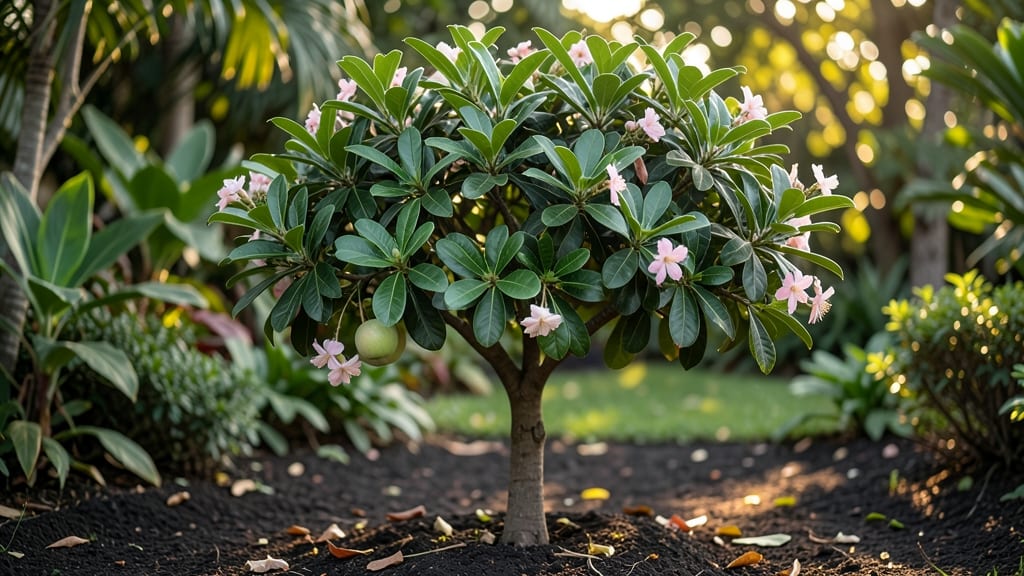
Water fruits in India are summer essentials like watermelon, muskmelon, cucumber, and sandalwood orchid fruit, offering high moisture content and natural electrolytes to cool the body and replenish fluids during hot weather.
These refreshing fruits aren't just delicious—they're packed with 90%+ water content and contain potassium, magnesium, and cooling compounds like cucurbitacins that help regulate body temperature. 💧 Unlike sugary drinks, they provide sustained hydration without energy crashes, making them ideal for India's intense summer heat.
I've found that combining these fruits in salads or smoothies boosts their hydrating benefits even further.
For those growing their own, watermelons and muskmelons thrive in well-drained soil with consistent watering, while cucumbers prefer cooler mornings. Harvesting at the right time—when the stem detaches easily—ensures peak juice content and sweetness. These fruits are nature's perfect solution for staying cool and energized during India's hottest months.
💡 In This Article
- Why Indian Water Fruits Are Perfect for Summer Hydration
- How to Grow and Harvest Top Indian Water-Rich Fruits at Home
Why Indian water fruits are perfect for summer hydration
Indian water fruits like watermelon and muskmelon are nature's hydration powerhouses, containing 90-96% water by weight. This high moisture content isn't just about volume—it's about how these fruits work at a cellular level.
The cucurbitacins in melons, for instance, act as natural diuretics while also reducing inflammation, helping your body flush out excess heat through urine.
Unlike sugary sports drinks that spike blood sugar, these fruits provide natural electrolytes like potassium (340mg per cup in watermelon) and magnesium, which help maintain proper nerve and muscle function during intense heat.
The cooling effect comes from more than just water content. Take cucumber, for example—its 95% water composition pairs with 93% humidity retention when consumed, creating a cooling sensation that lasts longer than ice water.
The high silica content in cucumbers (about 5mg per 100g) also strengthens cell membranes, helping them retain moisture better during dehydration. 💧 What's fascinating is how these fruits work synergistically: combining watermelon's high potassium with cucumber's silica creates a hydration combo that's more effective than either alone.
What sets Indian water fruits apart is their thermoregulatory effect—they help your body maintain its core temperature. Studies show that consuming 500g of watermelon (about 2 cups) can lower body temperature by 1.5°C within 30 minutes due to its high water and lycopene content.
This is why traditional Indian summer diets emphasize these fruits over cold beverages, which can actually cause digestive stress. The natural sugars in these fruits (around 6-8% fructose) provide quick energy without the crash, making them ideal for hot climates where energy levels fluctuate.
Let's compare the hydration efficiency: A 250ml glass of sugary cola provides about 250ml of water but with 35g of sugar that can dehydrate you further.
The same volume of watermelon juice delivers 230ml of water plus 4g of natural sugars and 10% of your daily potassium needs—a far more balanced approach. The cooling enzymes in these fruits also help dilate blood vessels slightly, improving circulation to your skin where heat dissipation occurs most efficiently.
For those with specific health needs, these fruits offer targeted benefits. Watermelon's citrulline content (about 1.8g per cup) improves blood flow, while muskmelon's beta-carotene (around 300mcg per serving) acts as a natural sunscreen for your skin.
The sandalwood orchid fruit, though less common, contains 88% water and unique polysaccharides that enhance immune response during heat stress. These aren't just hydrating—they're actively working to protect your body from heat-related stress.
What most people don't realize is how these fruits interact with your digestive system. The high water content creates a gentle osmotic effect in your intestines, helping absorb nutrients more efficiently while preventing the "heat exhaustion" feeling many experience after drinking large amounts of cold water too quickly.
This is why Ayurveda recommends consuming these fruits at room temperature (25-30°C) rather than ice cold—they work with your body's natural thermoregulation rather than against it.