
Orchid Care
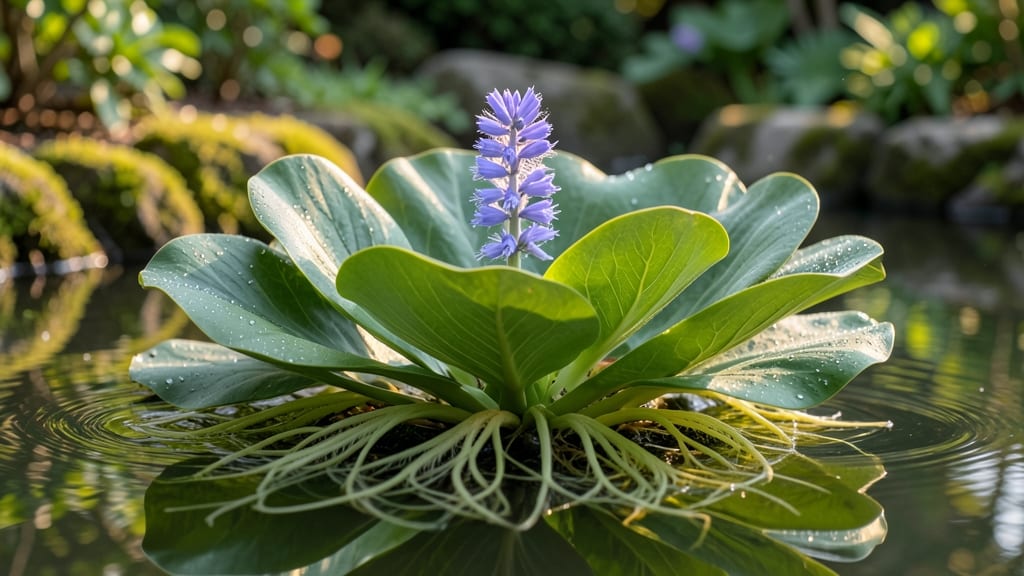
Water hyacinth in Florida is classified as a prohibited aquatic plant under state law due to its rapid spread and severe ecological threats, including clogging waterways and outcompeting native species for nutrients and sunlight.
This invasive aquatic plant is banned because it can double its population in just two weeks under Florida's warm climate. 🌿 Once established, its dense mats block sunlight from reaching native plants, smothering submerged aquatic vegetation that fish and wildlife depend on.
The Florida Fish and Wildlife Conservation Commission (FWC) treats it as a top ecological threat, comparing its impact to other invasive species like melaleuca trees.
If you spot water hyacinth in Florida, you're legally required to report it to the FWC immediately—possessing or planting it without a permit can result in fines up to $10,000.
The plant's roots extend up to 10 feet deep, making manual removal difficult, which is why controlled herbicide applications and mechanical harvesting are the most effective management strategies.
💡 In This Article
- How Water Hyacinth Invades Florida’s Ecosystems
- Legal and Practical Steps to Remove Water Hyacinth in Florida
How water hyacinth invades Florida’s ecosystems
Water hyacinth spreads with terrifying efficiency thanks to its unique biological advantages. Each plant produces 1,000-2,000 seeds per year, but what’s even more alarming is its vegetative reproduction—just one fragment can regenerate into a new plant.
Under Florida’s warm climate, a single water hyacinth can become 150+ plants in just two months, creating dense mats that cover entire water surfaces. 🌿 These mats block 90-95% of sunlight, suffocating native aquatic plants that form the foundation of Florida’s ecosystems.
The plant’s root system plays a crucial role in its dominance. Water hyacinth roots can extend up to 10 feet deep, anchoring the plant firmly while also absorbing nutrients aggressively. This gives it a competitive edge over native species, which struggle to access the same resources.
The roots also create a physical barrier that prevents fish movement and disrupts breeding cycles, particularly for species like bass and sunfish that rely on submerged vegetation for shelter and spawning grounds.
What makes water hyacinth particularly dangerous is its ability to outcompete other invasive species. Unlike Brazilian pepper or melaleuca, which primarily threaten terrestrial ecosystems, water hyacinth directly impacts Florida’s wetlands and freshwater systems.
These ecosystems are already under pressure from development and pollution, making water hyacinth’s arrival a double threat. 🌊 The plant’s rapid growth and nutrient absorption create a feedback loop: as it dominates, it further degrades water quality by reducing oxygen levels and increasing organic matter decomposition.
Florida’s climate—with its warm temperatures, abundant rainfall, and slow-moving waterways—provides the perfect conditions for water hyacinth to thrive. Unlike northern states where it might struggle to survive winters, Florida’s year-round growing season allows the plant to reproduce continuously.
This relentless growth pattern is why the Florida Fish and Wildlife Conservation Commission (FWC) classifies it as one of the state’s most dangerous invasive species, alongside melaleuca and python.
Consider the ripple effect: when water hyacinth takes over, it doesn’t just crowd out native plants—it alters the entire food web.
Fish that rely on aquatic vegetation for food and habitat lose their resources, leading to declines in species like bluegill and catfish. 🐟 Even birds and mammals that depend on these waterways for drinking or nesting are affected.
The plant’s ability to create impenetrable mats also makes it nearly impossible for natural predators or even controlled burns to reduce its numbers, which is why human intervention is critical.
The comparison to other invasive species highlights water hyacinth’s unique menace. While Brazilian pepper invades dry land and melaleuca disrupts fire-dependent ecosystems, water hyacinth attacks the very lifeblood of Florida’s water systems.
Its combination of rapid reproduction, deep-rooted dominance, and ecosystem-wide impact makes it one of the most challenging invasive plants to manage in the state.