
Light Requirements
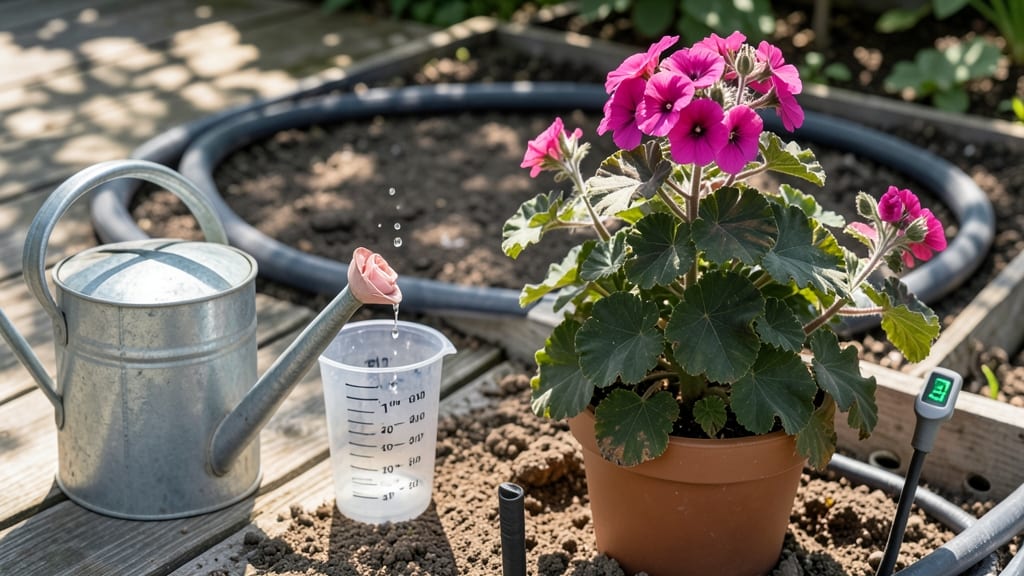
The water requirements for geraniums demand consistent moisture without soggy soil to keep their vibrant blooms thriving 🌸 — the trick is watering just enough to prevent root rot while meeting their thirst.
Picture this: You step outside to admire your lush geraniums, only to find drooping leaves or yellowing stems. That’s not just a bad day—it’s a hydration crisis, and the fix starts with understanding their water needs.
Overwatering is the silent killer of geraniums, but skipping water entirely leaves them crispy and sad. The secret? A simple soil dry test that tells you exactly when to water, whether you’re in a dry climate or a humid one.
In this guide, I’ll walk you through the perfect watering schedule, how to spot overwatering vs. underwatering, and seasonal tweaks to keep your geraniums blooming all season long.
How to perform the perfect soil dry test for geraniums
Geraniums thrive with moderate moisture, but their roots hate soggy soil. A simple soil dry test prevents both root rot and wilting by telling you exactly when to water. The key? Testing at the right depth and recognizing the subtle texture clues your soil gives you.
Most gardeners water on a schedule, but geraniums prefer consistent moisture—not a rigid calendar. The perfect test checks 2-3 inches deep, where the roots actively seek hydration. This method works for both container geraniums and in-ground plants, though pots dry out faster.
Step-by-Step Soil Dry Test for Geraniums
- 1 Choose the right time: Test soil in the morning after sunrise, before you water. This gives you an accurate baseline for hydration levels.
- 2 Insert your finger: Gently push your index finger 2-3 inches deep into the soil near the plant’s base. This is where geranium roots absorb most moisture.
-
3
Check texture clues:
- Dry soil: Feels like a sandy cake crumb—easy to break apart. Water immediately.
- Ideal moisture: Holds shape slightly but crumbles when squeezed gently. Perfect for geraniums.
- Overly wet: Feels slimy or compacted, like damp playdough. Wait 2-3 days before testing again.
- 4 Adjust for containers: Pots dry out faster. Test 1 inch deep for container geraniums, and water when the top ½ inch feels dry to the touch.
- 5 Water deeply: When it’s time, water until moisture reaches 4-6 inches deep. Use a soaker hose or watering can to avoid surface runoff.
A visual cue to watch for is the soil’s color. Dark, rich brown soil usually means adequate moisture, while pale, dry soil signals it’s time to water. For container geraniums, lift the pot—if it’s lightweight, the roots need hydration.
Seasonal adjustments matter too. In summer heat, geraniums may need watering every 5-7 days, while fall and spring might extend that to 7-10 days. Always test the soil first—don’t rely on guesswork.
Overwatering is the silent killer of geraniums. If the soil stays clumpy and cold to the touch, roots suffocate. Let it dry slightly between waterings, especially in humid climates or shady spots where evaporation slows.
For newly planted geraniums, monitor soil moisture daily for the first 2 weeks to help roots establish. Once established, they’re drought-tolerant but still appreciate consistent care. A weekly soil check keeps them blooming all season.
Remember, geraniums hate soggy feet. If you’re unsure, it’s better to underwater slightly than to drown their roots. With practice, you’ll develop a sixth sense for when your geraniums need a drink—no guesswork required!
Geranium watering schedule by season and climate
Geraniums thrive with moderate moisture but struggle when their roots sit in soggy soil. The season and your local climate dictate how often you should water—too much in summer can drown them, while too little in winter stresses their roots.
Let’s break down the ideal watering rhythm for each season and adjust for your region’s humidity or aridity.
In spring, when geraniums burst into bloom, they need consistent moisture to support new growth. Summer heatwaves demand frequent watering, but avoid wetting leaves to prevent fungal diseases. Fall transitions slow growth, so reduce watering, and in winter dormancy, minimal moisture keeps roots alive without rotting.
Regional differences matter too—humid climates need less water than dry ones.
Avoid the common mistake of watering on a schedule without checking soil moisture. Stick your finger 1-2 inches deep—if it feels dry, water; if damp, wait. Potted geraniums dry out faster than in-ground plants, so check their soil daily in summer.
In container gardens, use well-draining soil and terracotta pots to prevent waterlogging.
For humid climates, focus on preventing fungal issues by watering at the base and avoiding overhead sprinklers. In arid regions, mulch heavily to lock in moisture and reduce evaporation.
Adjust your routine as temperatures shift—heatwaves increase evaporation, while cooler falls slow water needs. With these adjustments, your geraniums will stay vibrant and healthy year-round.
Remember, consistency is key. Geraniums hate soggy roots but also despise drought stress. By tailoring your watering to the season and climate, you’ll keep their roots happy and their blooms abundant. Happy gardening!