
Watering
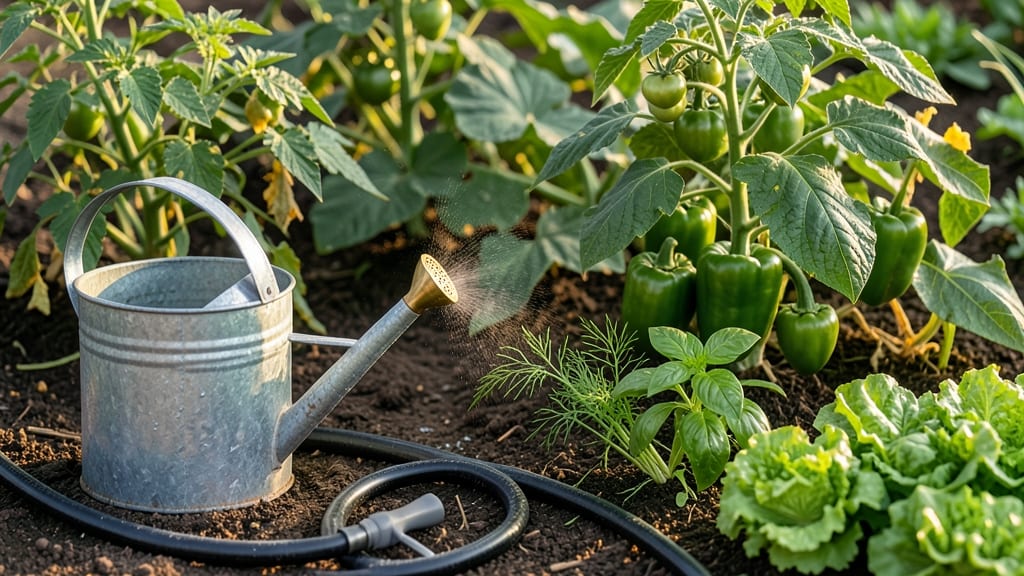
Watering vegetable plants correctly is the secret to strong roots, fewer pests, and a harvest you can actually eat—no soggy soil or wilting leaves in sight.
Struggling to balance watering your vegetable garden without drowning roots or leaving plants thirsty? The right technique can mean the difference between a thriving harvest and wasted effort.
Most gardeners either drown their 🥬 in water or let them dry out, both of which stress plants and attract problems like fungus or root rot. The key is checking soil moisture before watering—no guesswork, just science.
In this guide, I’ll walk you through the foolproof soil dry test, plant-specific watering schedules, and how to adjust for heatwaves or rainy spells. No more overwatering or underwatering—just happy, productive plants.
How to perform the soil dry test for perfect vegetable plant watering
Mastering the soil dry test is my secret weapon for keeping vegetable plants hydrated without overwatering. This simple finger-check method helps me determine when roots need moisture—before wilting or root rot become issues.
Unlike guesswork, this technique gives you real-time data about your soil's hydration level, tailored to each plant's unique needs.
Leafy greens like spinach and lettuce prefer consistently moist soil, while root crops such as carrots and potatoes thrive with slightly drier conditions. The soil dry test bridges the gap between these extremes, ensuring every plant gets the perfect amount of water for its growth stage.
Let's dive into the step-by-step process.
- Dry: Soil crumbles easily (water immediately)
- Moist: Soil sticks slightly but breaks apart (ideal for most veggies)
- Wet: Soil feels soggy or waterlogged (hold off on watering)
For gardeners who prefer tools over fingers, a moisture meter offers precise readings with minimal effort. These handheld devices use probes to measure soil moisture levels digitally, often displaying results as a percentage or on a moisture scale.
I find them especially useful for container gardens or when managing multiple vegetable beds with different water needs.
Different vegetables have distinct moisture preferences. Tomatoes and peppers need consistent moisture to prevent blossom-end rot, while onions and garlic prefer drier conditions to develop properly.
The soil dry test helps me adjust watering schedules seasonally—more frequent checks during summer heat and reduced testing in cooler months when plants need less water.
Pro tip: Keep a small notebook nearby to track your soil moisture observations. Note which days you water, how much, and how the soil feels. Over time, you'll develop an intuitive sense of when each plant needs hydration, reducing the need for constant testing.
This method has cut my water usage by nearly 30% while improving plant health dramatically.
Remember that mulch plays a crucial role in soil moisture retention. A 2-3 inch layer of organic mulch around your vegetable plants helps maintain even moisture levels, reducing the frequency of your soil dry tests.
It also protects roots from temperature fluctuations and suppresses weeds—talk about a triple win for your garden!
If you notice your soil feels too wet after testing, hold off on watering and improve drainage by adding compost or sand to heavy clay soils. For too dry conditions, water deeply until moisture reaches 6 inches below the surface.
This encourages roots to grow deeper and strengthens your plants' resilience against drought.
Perfecting your soil dry test skills takes practice, but the payoff is worth it. Your vegetable plants will thank you with vibrant growth, higher yields, and fewer pests—because healthy plants naturally resist diseases and attract beneficial insects.
Happy testing, and may your garden thrive with just the right amount of moisture!
Common watering mistakes that harm vegetable roots (and how to fix them)
Watering your vegetable garden can feel like walking a tightrope—too much water drowns roots, while too little leaves plants wilting and stressed. I’ve seen firsthand how overwatering and underwatering can turn a thriving garden into a sad, struggling patch.
The key is understanding what your plants really need at each growth stage.
Most gardeners make the same mistakes: watering based on a schedule instead of soil conditions, ignoring seasonal changes, or assuming all vegetables have the same thirst. For example, leafy greens like spinach need consistent moisture, while root vegetables such as carrots prefer slightly drier soil.
Let’s fix these common pitfalls before they ruin your harvest.
Overwatering is the #1 cause of root rot in vegetable gardens. Look for yellowing leaves, mushy stems, or plants that pull easily from the soil—these are red flags. Fix it by improving drainage, watering only when the top 1-2 inches of soil are dry, and avoiding soggy soil.
One of the biggest mistakes is watering at the wrong time. I used to water my tomato plants in the evening, thinking it would keep them cool. But wet foliage at night creates the perfect environment for fungal diseases like blight.
Always water in the early morning so leaves have time to dry before nightfall.
Seasonal adjustments are crucial too. In summer heat, vegetables like peppers and cucumbers may need daily watering, while in spring or fall, a deep watering every 3-4 days is often enough.
Pay attention to your local climate—drought-prone areas need mulch to retain moisture, while rainy regions require raised beds for better drainage.
Another common error is shallow watering, which encourages roots to stay near the surface instead of growing deep. To fix this, use a soaker hose or water deeply until moisture reaches 6-12 inches below the soil.
Test this by sticking your finger in—if it’s dry, water again. This mimics natural rainfall and builds stronger root systems.
Don’t forget that different vegetables have unique needs. Herbs like basil wilt quickly when thirsty, while corn needs consistent moisture to prevent ear rot. Always check the soil before watering, and adjust based on the plant’s growth stage.
A young seedling needs frequent, light watering, while a mature plant can handle deeper, less frequent soaks.
By avoiding these mistakes, you’ll give your vegetable garden the perfect balance of moisture—keeping roots healthy, diseases at bay, and your harvest bountiful. Start with the soil test, adjust your watering schedule, and watch your plants thrive! 🌱