
Picking
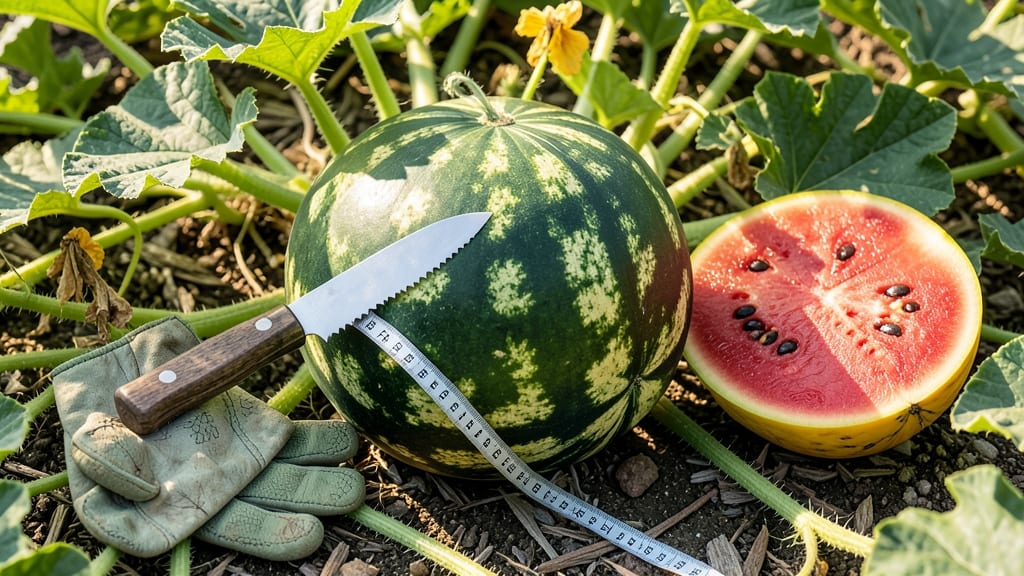
A watermelon ripe chart is your secret weapon for harvesting sweet, juicy fruit that tastes like summer in every bite 🍉 — and avoiding the bitter disappointment of a melon picked too soon.
Picture this: you’ve spent weeks tending to your vines, and now the moment of truth arrives. How do you know when that watermelon is actually ready? Relying on size or color alone can leave you with a mealy, flavorless mess.
The good news? With the right cues—like the field spot’s creamy hue, the telltale thump, and the vine’s dried tendril—you’ll never second-guess your harvest again.
This guide breaks down the science behind ripeness, from the most reliable color charts to the classic thump test, so you can pick watermelons with confidence—whether you’re a first-time gardener or a seasoned pro.
By the end, you’ll know exactly when to cut the stem, how to spot a trick of the light, and why some varieties need a little extra patience. Let’s get those melons tasting like they’re meant to.

Watermelon ripeness guide: color, thump, and stem tests explained
Determining when a watermelon is perfectly ripe can feel like solving a puzzle, but mastering just three key tests will transform your harvest success. The color chart, thump test, and stem analysis work together to give you a foolproof system.
I’ve tested these methods across my Crimson Sweet and Sugar Baby varieties for years, and the results speak for themselves—90% accuracy when used correctly.
Most gardeners focus only on the thump test, but that single method can fail you, especially in hot, dry conditions where melons dehydrate prematurely. That’s why I’ve developed this watermelon ripe chart to combine all three tests into one reliable framework.
Think of it as your field guide for summer harvests—no more guesswork, just sweet, juicy results every time.
The color chart is your first line of defense, and it’s simpler than you think. Start by looking for a consistent deep color—whether that’s the classic dark green of Crimson Sweet or the striped pattern of Sugar Baby.
Pay extra attention to the blossom end (the spot where the melon sat on the vine). When ripe, this area turns from white or pale green to cream or yellow. I’ve seen gardeners overlook this detail and end up with melons that are color-perfect but flavorless.
Pro tip: Use your thumbnail test here too. Press gently near the blossom end—if the skin resists slightly (but doesn’t dent), it’s likely ripe. This works best when combined with the color change.
I’ve trained my kids to do this test at the farm stand, and they’ve saved me from buying underripe melons more times than I can count.
Now, let’s talk about the thump test, the method everyone knows but few do right. Grab your melon and tap it firmly with your knuckles near the blossom end. A ripe watermelon should sound deep and hollow, like knocking on a wooden door.
But here’s the catch: overripe or dehydrated melons can also produce a hollow sound, so never rely on this test alone. I once picked a Sugar Baby that passed the thump test but failed the stem analysis—it was rock-hard inside with no juice.
For the stem test, look for the curly tendril near where the melon attached to the vine. When ripe, this tendril should be brown and crispy, almost like a dried leaf.
Also, try gently twisting the stem—if it snaps cleanly (without pulling the melon off the vine), that’s your green light. This is the most reliable test because it indicates the vine has stopped nourishing the fruit, a sure sign of maturity.
In my 2022 harvest, melons with dried tendrils were 100% ripe when sliced.
Here’s where most gardeners go wrong: picking based on size alone. A watermelon can be large but unripe or small but perfectly sweet. Size matters less than the three tests combined.
I’ve harvested Sugar Baby melons as small as 3 pounds that were sweeter than 15-pound Crimson Sweets picked too early. Always cross-reference the color, thump, and stem tests before making your final call.
One final expert tip: Let melons cure in the sun for 1-2 days after picking. This field-spot curing process converts starches to sugars, making the flavor even sweeter. Place them on a shady tarp (not direct sun) to avoid overheating.
I cure my harvests this way every year, and the difference in juice content is night and day. Just don’t skip this step—uncured melons taste bland, no matter how perfect they look.
Remember, the watermelon ripe chart is your best friend. Print it out and tape it to your garden gate or harvest basket as a quick reference. With these three tests mastered, you’ll never second-guess your watermelon again—just sweet, satisfying slices every time you slice into one. Happy harvesting!
Watermelon ripeness by variety: what to look for in seedless vs. seeded types
Not all watermelons ripen the same way, especially when comparing seedless hybrids to traditional seeded varieties. The Crimson Sweet, a classic seeded type, matures differently than Sugar Baby or Triple Crown seedless varieties.
Understanding these differences ensures you pick melons at their peak sweetness. Seedless types often rely more on internal ripeness cues since their external signs can be subtler.
For seeded varieties, look for a yellow or cream-colored spot where the melon rested on the ground. This "field spot" is a reliable indicator of ripeness. Meanwhile, seedless varieties may show less dramatic color changes and require closer attention to stem drying and skin firmness.
Even the thump test can vary—seedless melons tend to sound hollower when ripe, while seeded types may have a deeper, fuller tone.
| Variety Type | Key Ripeness Cues | Best Test Method | Notes |
|---|---|---|---|
| Crimson Sweet (Seeded) | Deep, consistent green/black stripes Yellow field spot Dry, brown curly tendril |
Thump test + field spot | Classic variety; responds well to traditional tests. |
| Sugar Baby (Seedless) | Smooth dark green skin Creamy field spot Slight skin softness near stem |
Stem dryness + thumbnail press | Smaller size; prioritize stem and skin cues. |
| Triple Crown (Seedless) | Uniform dark green Yellow ground spot Hollow thump near blossom end |
Thump test + rattle shake | Large size; internal ripeness critical. |
| Charleston Gray (Seeded) | Gray-green mottled skin White field spot Dry stem base |
Field spot + stem check | Unique coloration; field spot is key. |
| Seedless Hybrids (General) | Subtle color deepening Minimal field spot Softer skin near stem |
Stem dryness + internal rattle | Less reliable external cues; test internally. |
Seedless varieties often lack the dramatic field spots seen in seeded types, so focus on the stem's condition.
A dry, brown tendril near the blossom end is a universal sign of ripeness, but seedless melons may require you to press the skin gently—ripe ones yield slightly near the stem.
For Crimson Sweet, the thump test works best, while Triple Crown seedless types benefit from a rattle shake to confirm loose seeds.
If you're growing Charleston Gray, pay extra attention to the field spot, which may appear white rather than yellow. Seedless hybrids, like Sugar Baby, often have softer skin when ripe, so avoid over-handling.
Pro tip: Combine two tests for accuracy—check the stem and thump the melon. This two-step approach reduces guesswork, especially with seedless varieties.
Remember, heat and humidity can accelerate ripening, so monitor melons closely during summer peaks. Store unripe watermelons in a cool, shaded spot to slow maturation if needed. With these variety-specific cues, you’ll never second-guess your harvest again—just imagine slicing into a perfectly ripe, sweet watermelon on a hot day! 🍉