
Light Requirements
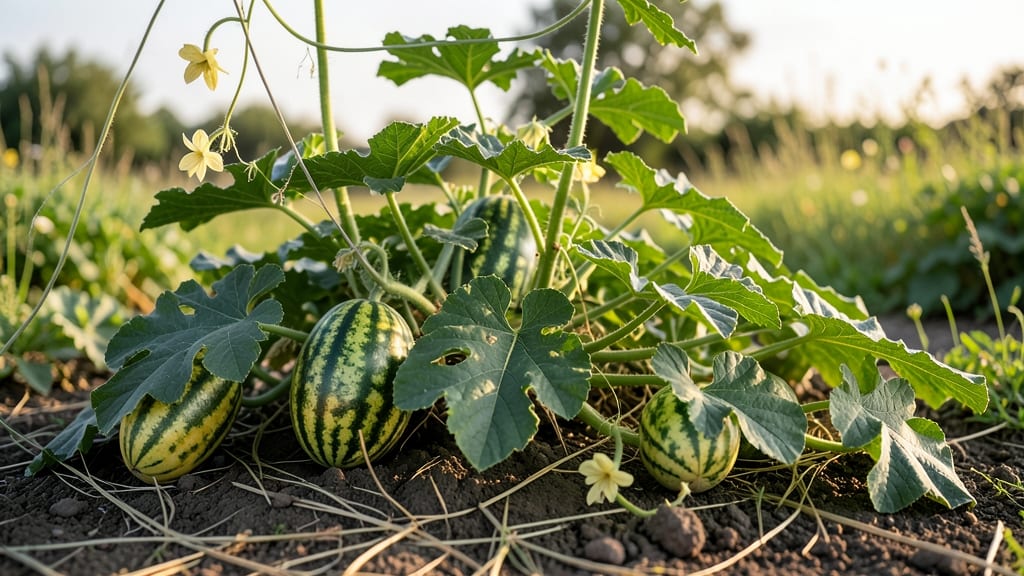
Growing juicy, ripe watermelons 🍉 depends on meeting their sun requirements—and most gardeners miss the mark by hours.
Picture this: you’ve planted your seeds, watered faithfully, and even used the best soil mix—yet your watermelons stay small, bitter, and underripe. The culprit? Not enough sunlight. Watermelons crave full sun exposure, and without it, they simply won’t develop the sweetness or size you’re hoping for.
In this guide, I’ll break down exactly how many sun hours watermelons need (spoiler: it’s more than you think), how to position them for maximum growth, and what to watch for when sunlight falls short.
Whether you’re dealing with partial shade or trying to stretch your harvest season, these tips will help you grow watermelons that are bursting with flavor.
Ready to turn your garden into a watermelon powerhouse? Let’s dive into the sunlight secrets that make all the difference.

How many sun hours do watermelons need daily (and when to worry)
Watermelons are sun-worshippers, and their sweetness and size depend entirely on how much direct sunlight they receive daily.
While most gardeners assume "full sun" means "plenty," the truth is more nuanced. 6 hours of sunlight is the bare minimum, but 8+ hours is ideal for juicy, ripe fruit—especially in hot climates where vines need extra energy to thrive.
Without enough light, your watermelons will stay small, bitter, and underdeveloped, no matter how much you water them.
Understanding the sunlight spectrum for watermelons isn’t just about hours—it’s about intensity and consistency. Morning sun (6 AM–12 PM) is gentler and helps prevent scorching, while afternoon sun (12 PM–6 PM) fuels the photosynthesis needed for fruit development.
In regions with high UV exposure, like the Southwest U.S., watermelons may need partial afternoon shade to avoid heat stress, but they’ll still crave morning sun.
Here’s the hard truth: even 6 hours of sun can be a struggle in cloudy climates (like the Pacific Northwest) or high-altitude gardens (above 5,000 feet), where sunlight is less intense.
In these areas, watermelons may need supplemental light or reflective mulches to compensate. If you’re in Zone 4–5, start seeds indoors under grow lights to give them a head start before transplanting.
🌱
The minimum 6-hour rule is a starting point, but watermelons in partial shade (even for a few hours) will never reach their full potential. I’ve seen gardeners in urban areas with west-facing patios get better yields than those in east-facing gardens because afternoon sun is more intense.
If your watermelons are getting less than 6 hours, they’ll focus energy on survival rather than fruit development, leading to small, seedy, and tasteless melons.
One common mistake is assuming dappled shade (like under fruit trees) is acceptable. While watermelons can tolerate 2–3 hours of light shade, their vines will sprawl wildly trying to reach more sun, and their fruit will lack sweetness.
If you’re growing watermelons near tall plants or fences, plan for vertical trellising to maximize their access to sunlight. Even dwarf varieties need unobstructed morning sun to thrive.
High-altitude gardens (5,000+ feet) present a unique challenge because sunlight is less intense due to thinner air. In these areas, watermelons may need 10+ hours of sun to compensate.
I’ve had success in Colorado’s Front Range by planting watermelons on south-facing slopes or using white plastic mulch to reflect extra light onto the vines. If you’re in a similar climate, consider early-spring planting to take advantage of longer daylight hours.
🌿
How do you know if your watermelons are starving for sunlight?
Watch for these red flags: - Leaves turning yellow (especially older ones) - Stems growing weak and leggy - Flowers dropping off without setting fruit - Fruit staying small and hard even after weeks of growth If you see any of these, it’s time to reassess your planting location or consider supplemental lighting.
In extreme cases, you might need to relocate plants to a sunnier spot—though this can stress them, so do it gradually over a few days.
For gardeners in cloudy or rainy climates, like the Pacific Northwest, watermelons can be a challenging crop unless you’re willing to get creative. Try planting them in
Optimal sunlight strategies: positioning, mulching, and seasonal adjustments
Watermelons thrive in full sun, but not all sunlight is equal. The key lies in strategic positioning and seasonal adjustments that protect tender vines while maximizing ripeness. I’ve learned that even a 1-2 hour difference in morning vs. afternoon sun can drastically affect flavor and yield.
Let’s break down how to position your plants for success—without letting them fry under peak summer heat.
Start by planting watermelons in the south-facing section of your garden, where they’ll receive the most intense sunlight. If your space is limited, prioritize east-facing beds for morning sun, which is gentler on seedlings.
Avoid west-facing areas unless you’re prepared to provide afternoon shade during scorching afternoons—watermelons can develop sunburn on leaves and fruit if exposed to direct afternoon rays beyond 3 PM.
- 1. South-Facing Gold: Plant in the southernmost part of your garden for 8+ hours of sun—this is non-negotiable for sweet, ripe fruit.
- 2. Morning Sun Boost: Use light-colored gravel or reflective mulch (like white plastic) to bounce extra light onto vines, tricking them into thinking they’re getting more sun.
- 3. Shade Cloth Shield: Protect young seedlings with 30-40% shade cloth during the first 2 weeks to prevent leaf scorch, then gradually remove it as vines toughen up.
- 4. Seasonal Stagger: In hot climates, plant a second batch 4-6 weeks later to avoid the peak heat of July/August—this extends your harvest window by 3-4 weeks.
- 5. Mulch Magic: Apply straw or black plastic mulch to retain soil moisture and warmth, which helps watermelons ripen faster even in cooler regions.
For gardeners in cloudy or high-altitude regions, aim for at least 6 hours of direct sun—but supplement with grow lights if needed. I once grew watermelons in Portland, Oregon, where summer sun is limited, by using LED grow lights for 4 extra hours daily.
The result? Fully ripe, 12-pound melons—proof that watermelons can thrive even with less-than-ideal sunlight if you’re strategic.
Don’t overlook the power of mulching—it’s not just about weeds. Black plastic mulch absorbs heat, warming the soil and speeding up germination, while straw mulch keeps roots cool during heatwaves.
I’ve found that alternating rows of black plastic (for warmth) and straw (for moisture) creates the perfect microclimate for watermelons. Plus, the contrast makes it easier to spot pests like cucumber beetles early.
As seasons shift, adjust your approach. In early spring, use row covers to trap heat and extend the growing season. By mid-summer, switch to drip irrigation to keep leaves dry and reduce the risk of powdery mildew, which thrives in hot, humid conditions.
And in late summer, watch for afternoon shade creep—trees and buildings can cast longer shadows, so monitor your plants and prune nearby foliage if needed.
Remember: Watermelons need sun, but they also need protection. The goal is to give them consistent, bright light without letting them overheat. With these strategies, you’ll be harvesting juicy, vine-ripened watermelons that taste like summer—no matter where you garden. 🍉