
Plants
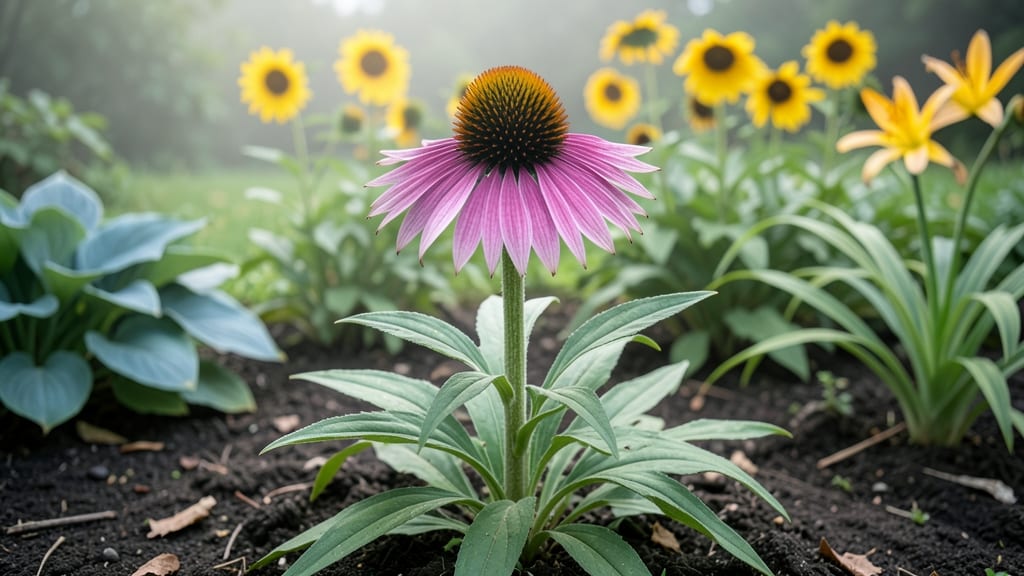
Perennials are plants that regrow each year from the same root system, blooming annually without needing replanting. Unlike annuals, they survive winter dormancy and return stronger with proper care, offering long-term garden beauty and sustainability.
Perennials stand out because they develop deep, hardy root systems that store energy over winter, allowing them to push through soil and bloom again each spring. 🌱 This makes them perfect for gardeners who want low-maintenance plants that multiply over time—think of lavender spreading across a border or peonies returning year after year with bigger blooms.
The trade-off? They often take 1-2 years to establish fully, but their longevity pays off in reduced replanting costs and consistent seasonal interest.
Unlike annuals that complete their life cycle in one season, perennials adapt to seasonal changes through dormancy, where growth slows but roots remain alive underground. This biological strategy lets them thrive in temperate climates where winters aren't extreme enough to kill them.
For example, hostas survive winter as dormant rhizomes, while coneflowers drop their foliage but keep their roots active just below the frost line.
💡 In This Article
- How Perennial Plants Survive Year After Year
- Top Perennial Plants for Beginners and Seasonal Gardens
How perennial plants survive year after year
The secret to a perennial's longevity lies in its root system, which can extend 3-5 feet deep in mature plants like peonies or 1-2 feet in smaller varieties such as ajuga.
These roots store carbohydrates (like starches and sugars) produced during photosynthesis, acting as an energy reserve for winter survival. Think of it like a plant's savings account—when temperatures drop, the roots tap into these reserves to sustain vital functions while the above-ground growth dies back.
Perennials employ dormancy strategies tailored to their climate. In cold regions, plants like heuchera (coral bells) enter a state where metabolic activity slows to just 5-10% of normal levels, preserving energy. Meanwhile, in warmer climates, perennials like salvia may simply reduce growth but stay semi-active.
This adaptability contrasts sharply with annuals, which complete their entire life cycle in one growing season (e.g., marigolds or zinnias) and must be replanted yearly. 🌱 Biennials, like foxgloves, take two years to flower and set seed before dying, making perennials the clear winners for garden persistence.
Seasonal adaptation involves more than just roots—it's about timing. Most perennials begin growing again when soil temperatures reach 50-55°F, triggered by increasing daylight.
For example, bearded iris shoots emerge in early spring from rhizomes buried just below the soil surface, while black-eyed Susans rely on deep taproots to access moisture during dry spells.
This built-in resilience explains why perennials thrive in USDA Hardiness Zones 3-9, where winters aren't severe enough to kill their protected root systems but cold enough to force annuals to start from scratch each year.
What most gardeners don't realize is how perennials rejuvenate themselves. After years of growth, some varieties (like daylilies) send up new shoots from their roots, effectively cloning themselves. Others, such as coneflowers, self-seed prolifically, creating natural colonies.
This natural propagation contrasts with annuals, which must be manually replanted or sown each season—a labor-intensive process. The trade-off? Perennials often take 1-3 years to reach full maturity, but their 5-10 year lifespan (or longer for shrubs like butterfly bush) makes them far more cost-effective.
Climate plays a crucial role in perennial survival. In temperate zones, plants like hostas and lamb's ear rely on snow cover for insulation, while in Mediterranean climates, lavender survives summer droughts by going dormant during the hottest months.
Even in tropical regions, perennials like ginger or canna lilies adapt by growing continuously but slowing during monsoon seasons. This flexibility is why perennials dominate 80% of garden plantings worldwide—once established, they require minimal intervention compared to annuals.
Consider the case of peony roots, which can live for 100 years or more—some historic specimens in Japan date back to the Edo period (1603-1868). These roots develop a woody core that becomes thicker each year, much like a tree trunk.
The energy stored in these roots allows peonies to produce larger, more abundant blooms with each passing season, a reward that annuals can never match. This biological marvel is why perennials are often called the "workhorses" of the garden—reliable, low-maintenance, and endlessly rewarding. ✨