
Planting
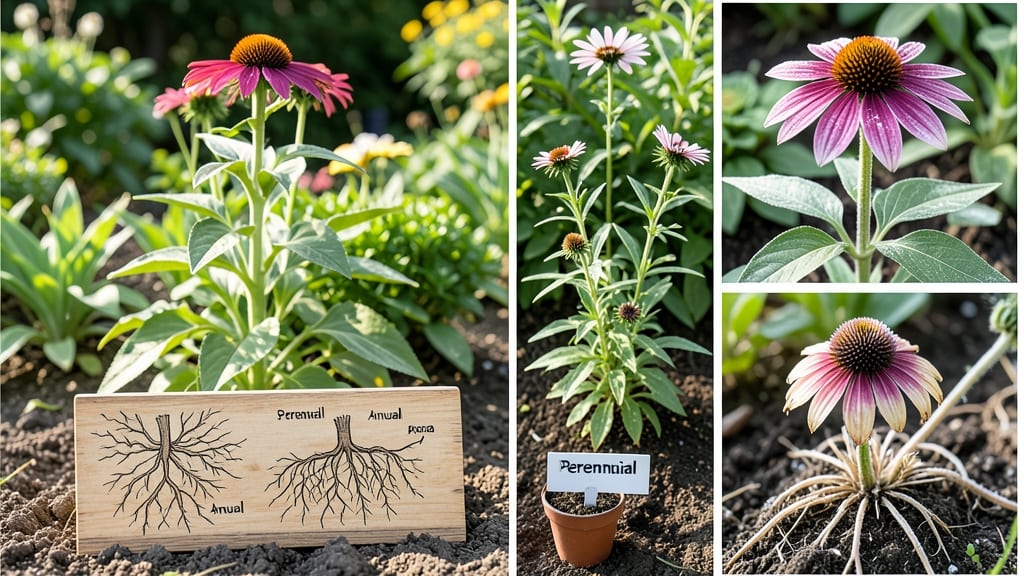
When you hear "perennial plant," it means the plant lives for multiple years, regrowing from the same root system annually, enduring winter dormancy or dry spells, and reblooming each season—unlike annuals that die after one growing season or biennials that take two years to complete their life cycle.
Perennial plants are the gardeners' workhorses because they keep coming back, year after year, with minimal replanting. 🌱 The secret lies in their deep root systems that store energy and nutrients underground, allowing them to push through seasonal challenges.
Unlike annuals that rely on seeds to restart each year, perennials develop specialized structures like bulbs, tubers, or rhizomes to preserve their core structure. This makes them ideal for low-maintenance landscapes, as they establish themselves over time and often become more resilient with age.
Think of perennials as the long-term investments in your garden—they may take a year or two to fully establish, but once they do, they reward you with consistent blooms, foliage, or harvests for years.
For example, lavender, peonies, and asparagus are classic perennials that thrive with proper care, while some aggressive varieties like mint or bamboo can spread uncontrollably if not contained. The key is matching the right perennials to your climate and sunlight conditions to ensure they flourish season after season.
💡 In This Article
- How Perennial Plants Survive Across Seasons
- Choosing Perennials for Your Garden Climate
How perennial plants survive across seasons
Perennial plants have evolved sophisticated survival strategies centered around their root systems. Unlike annuals that complete their life cycle in a single season, perennials develop deep, complex roots that store carbohydrates, water, and nutrients.
These roots can extend 3-6 feet underground, creating a reservoir that sustains the plant through drought or winter. For example, peonies store energy in thick, fleshy roots called rhizomes, while daylilies use fibrous root systems to anchor themselves while storing nutrients in their crowns.
The key to their resilience lies in dormancy—a state where metabolic processes slow dramatically. During winter, perennials like hostas and sedums enter dormancy, reducing water loss and conserving energy.
Some even produce antifreeze proteins that prevent ice crystal formation in their cells, similar to how certain fish survive Arctic winters. 🌿 In contrast, annuals and biennials rely entirely on seeds for regeneration, making them vulnerable to environmental fluctuations.
This biological advantage means perennials can regrow from the same root system for 5-25+ years, depending on the species.
Specialized structures play a crucial role in this survival. Bulbs like tulips and daffodils store nutrients in modified leaves, while tubers (such as potatoes) act as underground storage organs. Rhizomes, like those in iris or ginger, spread horizontally to create new growth points.
These adaptations allow perennials to regenerate quickly after being cut back or damaged, a trait that makes them ideal for landscaping. For instance, ornamental grasses like fountain grass can be cut back to the ground in late winter and still regrow vigorously in spring.
Another critical factor is their ability to photosynthesize early in the season. Many perennials, such as bleeding heart or lungwort, produce leaves before flowering, allowing them to build energy reserves through photosynthesis. This early growth gives them a competitive edge over annuals, which often struggle to establish themselves quickly.
The trade-off? Perennials typically require 1-2 years to fully mature and reach their peak performance, unlike annuals that bloom rapidly in their first season.
Climate adaptations vary by region. In colder zones (USDA 3-5), hardy perennials like coneflowers or Russian sage develop thick, woody stems that insulate their growing points. In warmer climates (USDA 8-10), perennials like bougainvillea or agave store water in their leaves to survive drought.
This regional specialization means gardeners must select perennials that match their local growing conditions to ensure long-term success. 🌍
What most gardeners don't realize is how perennials "age" differently from annuals. While annuals start fresh each year, perennials accumulate experience—older plants often develop stronger root systems, larger blooms, and greater resistance to pests.
This is why established perennial gardens require less maintenance over time. For example, a well-established lavender plant can live for 20+ years with minimal care, whereas an annual like marigold must be replanted annually.