
Planting
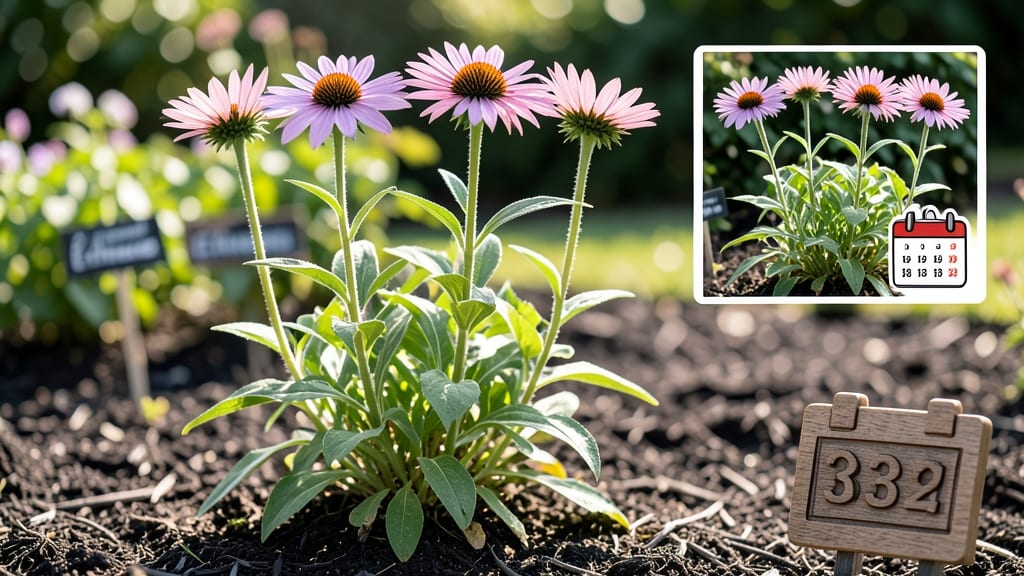
A perennial plant is a flowering or non-flowering species that lives for three or more years, regrowing from the same root system annually after dying back during winter or dormancy. Unlike annuals or biennials, perennials develop deep root systems that allow them to return season after season with minimal replanting needs.
A perennial plant thrives because its roots store energy underground, letting it bounce back each spring. 🌱 Unlike annuals that complete their life cycle in one season, perennials focus on building robust root networks that sustain them through cold months.
This makes them ideal for gardeners who want long-term beauty with less frequent replanting—think peonies or lavender that return year after year with minimal effort.
What makes perennials unique is their ability to adapt. Many species enter dormancy during winter, conserving energy until warmer weather triggers regrowth. This survival strategy explains why perennials dominate landscapes from USDA Zone 3 to Zone 10, with some varieties even thriving in drought conditions once established.
💡 In This Article
- How Perennial Plants Survive Multiple Seasons
- Best Perennial Plants for Gardens by Climate and Region
How perennial plants survive multiple seasons
The secret to a perennial's longevity lies in its deep root system, which can extend 3-6 feet underground. Unlike annuals that focus all energy on above-ground growth, perennials allocate resources to developing extensive roots that store carbohydrates like starches and sugars.
These reserves act like a natural battery, fueling regrowth each spring. For example, a peony root stores enough energy to produce 20-30 stems annually from a single crown.
Dormancy is another critical survival mechanism. During winter, perennials enter a state of reduced metabolic activity, slowing growth to conserve energy. Some species, like hostas, lose their leaves entirely, while others, such as lavender, maintain evergreen foliage.
The transition is triggered by temperature drops below 50°F and shorter daylight hours, which signal the plant to shift from growth to survival mode. This adaptation allows perennials to thrive in climates ranging from USDA Zone 3 (Alaska) to Zone 10 (Florida).
Energy storage sets perennials apart from annuals and biennials. Annuals like marigolds complete their life cycle in one season, while biennials like carrots take two years to flower and set seed. Perennials, however, prioritize root development over reproduction in their first year, creating a self-sustaining system.
This is why established perennials often require less watering and fewer fertilizers—their deep roots access nutrients and moisture independently.
Seasonal adaptations also play a role. Some perennials, like coneflowers, develop woody stems that insulate the plant's center, protecting it from freezing temperatures. Others, such as sedum, store water in their leaves, making them drought-resistant once established.
These traits explain why perennials dominate landscapes with minimal intervention—once planted, they become self-sufficient ecosystems.
Consider the aspen tree, a classic perennial with a lifespan exceeding 100 years. Its roots spread horizontally, creating a network that shares nutrients among connected trees. This clonality ensures the species' survival even if individual stems die back.
In contrast, annuals like wheat must be replanted yearly, while biennials like cabbage require two growing seasons to complete their cycle. The perennial's focus on root development and energy conservation is what makes it the ultimate low-maintenance garden staple.
For gardeners, this means perennials offer long-term beauty with short-term effort. While annuals provide instant color, perennials reward patience with decades of blooms, making them the backbone of sustainable landscapes. 🌿