
Companion Plants
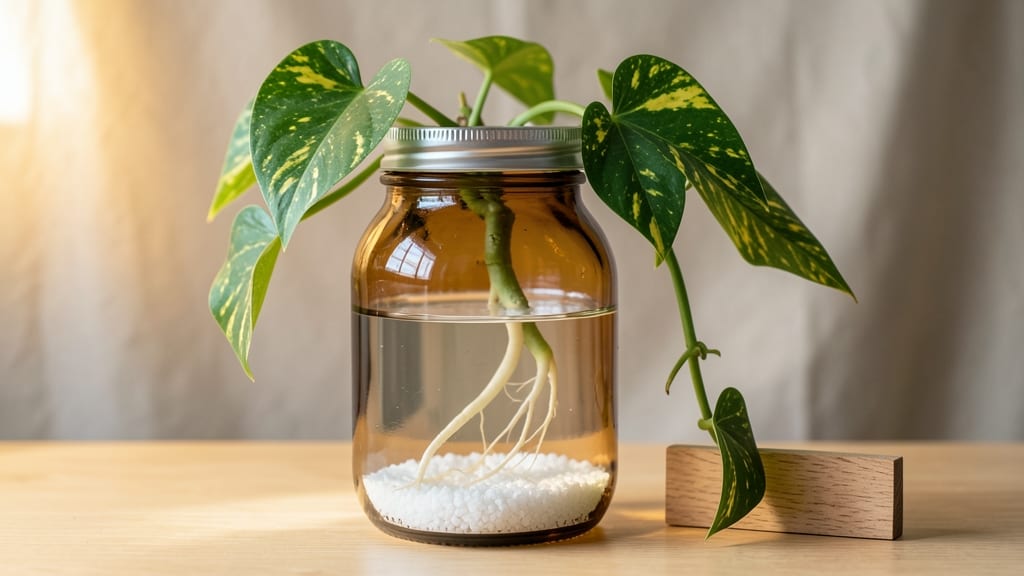
When you grow plants in water instead of soil, it's called hydroponics—a system that delivers essential nutrients directly to roots through water solutions, eliminating the need for traditional growing mediums.
This method isn't just about water—it's a complete nutrient delivery system where roots absorb minerals dissolved in water, often with added oxygen for faster growth. 🌱 Unlike soil gardening, hydroponics gives you precise control over plant nutrition, which is why many gardeners see 20-30% faster growth in ideal conditions.
The technique works especially well for leafy greens, herbs, and strawberries, though it requires regular monitoring of pH and nutrient levels to keep plants thriving.
What makes hydroponics fascinating is how it mimics natural aquatic plant environments while adding human precision. Many systems recirculate water, making them 90% more water-efficient than traditional soil methods.
Whether you're using a simple DIY setup or a high-tech commercial system, the core principle remains the same: roots get exactly what they need, when they need it.
💡 In This Article
- How Hydroponics Works: Science Behind Water-Based Plant Growth
- Best Hydroponic Systems for Beginners: Setup and Plant Choices
How hydroponics works: science behind water-based plant growth
At its core, hydroponics replaces soil with a nutrient-rich water solution that delivers everything plants need directly to their roots. This system works because roots absorb water and dissolved minerals through tiny structures called root hairs, which have a surface area 10-15 times greater than the visible root itself.
In soil, plants must compete with microbes and organic matter for these nutrients, but hydroponics eliminates competition by delivering a balanced mix of 16 essential nutrients (like nitrogen, phosphorus, and potassium) in precise concentrations.
The magic happens in the root zone where oxygen plays a crucial role. Unlike soil, which can become compacted and limit oxygen flow, hydroponic systems actively aerate the water.
Methods like deep water culture keep roots submerged in oxygenated water, while nutrient film technique systems create a thin film of nutrient solution that constantly flows over exposed roots. This oxygen boost allows roots to grow 30-50% faster than in soil, leading to quicker overall plant development. The result?
Plants like lettuce can go from seed to harvest in just 3-4 weeks—half the time of traditional soil growing!
What most people don't realize is how hydroponics changes the plant's growth patterns. Without soil resistance, roots grow more aggressively toward the nutrient source, creating denser root systems.
This increased root mass translates directly to above-ground growth, giving plants like basil or strawberries a 25-30% larger yield per plant compared to soil-grown counterparts. The system also maintains consistent moisture levels, preventing the stress that comes from drought or waterlogging in soil gardens.
Different hydroponic methods offer varying levels of control. For example, aeroponics mists roots with nutrient solution, maximizing oxygen exposure, while Kratky method systems use passive water flow with no pumps.
The choice affects how much maintenance you'll need—some systems require daily monitoring of pH (5.5-6.5 is ideal) and electrical conductivity, while others are nearly hands-off. The science shows that when you optimize these factors, hydroponic plants can achieve growth rates 2-3 times faster than their soil-grown siblings.
Consider how this compares to traditional gardening: in soil, plants must expend energy breaking down organic matter to access nutrients, while hydroponics delivers everything pre-digested. This energy savings translates to more resources going toward leaf, stem, and fruit production.
For example, a hydroponic tomato plant might produce 30-40% more fruit per season than one grown in soil, with larger, firmer tomatoes that ripen more uniformly. The trade-off? You'll need to monitor nutrient levels more carefully—hydroponic solutions can become depleted or imbalanced if not refreshed regularly.
One fascinating aspect is how hydroponics affects plant flavor and texture. Many gardeners report that hydroponic-grown herbs like basil or cilantro have more intense aromas because the plants focus their energy on leaf production rather than root expansion.
The controlled environment also means fewer pests and diseases, reducing the need for chemical interventions. This makes hydroponics particularly appealing for organic gardeners who want to avoid soil-borne pathogens while still achieving impressive yields.
What starts as a simple concept—growing plants in water—becomes a sophisticated science when you dig deeper. The ability to precisely control every growing condition means hydroponics isn't just about water; it's about creating the perfect aquatic environment where plants can thrive without the limitations of traditional soil gardening. 🌿