
Planting
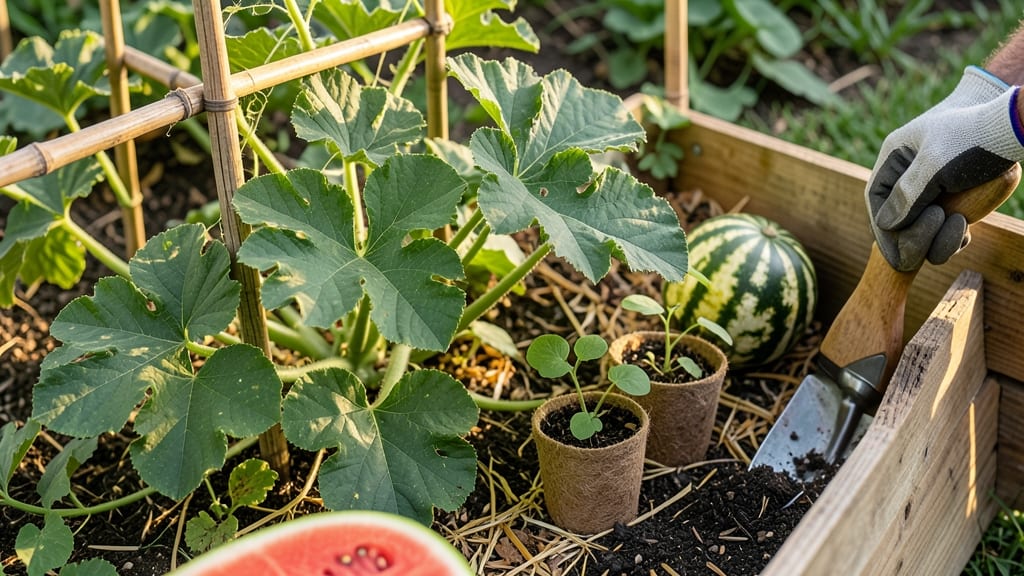
Planting watermelon seeds at the right time means the difference between fast germination and weeks of waiting for those first green shoots to appear 🍉—and the best month depends on where you live.
If you’ve ever stared at a seed packet wondering, "Why isn’t this working?" it’s likely because the soil was too cold. Watermelons need warmth—at least 70°F—to sprout quickly, and planting too early can leave seeds sitting in damp, chilly dirt for weeks.
In the Southern US (zones 8-11), that means starting as early as March, while gardeners in the Northern US (zones 3-6) should wait until late May or June after the last frost. The key? Soil temperature, not just calendar months.
Below, I break down the exact timing for your zone, plus pro tips to speed up germination—like using black plastic mulch or a seedling heat mat—so you’re harvesting sweet, ripe watermelons in 75 days or less.
Best months to plant watermelon seeds by USDA hardiness Zones
Watermelons thrive in warm soil and long growing seasons, making timing critical for success. Planting too early in cold soil can delay germination by weeks or even kill seeds entirely. The key is waiting until soil temperatures consistently reach 75-90°F—this ensures fast sprouting and strong vines.
Across the U.S., your USDA hardiness zone dictates the perfect window, typically 30-90 days before your first frost date.
For example, gardeners in Zone 3 (like Minnesota) must wait until late May or June, while those in Zone 10 (like Florida) can plant as early as March. Soil thermometers are your best tool—plant only when the ground stays above 70°F for at least a week.
Without this warmth, seeds may rot or take 3+ weeks to sprout, leaving little time for harvest before frost.
Here’s a zone-by-zone breakdown of ideal planting months, soil temperature thresholds, and regional examples to help you time your watermelon seeds perfectly for a bountiful harvest.
In Zones 3-4, where frost lingers late, use black plastic mulch or row covers to warm the soil faster. I’ve seen gardeners in Zone 4 plant watermelon seeds under clear plastic domes in early May, raising soil temps by 10-15°F and speeding germination.
For Zones 5-6, aim for mid-April if your last frost date is around April 15th—but always confirm with a soil thermometer.
Gardeners in Zones 7-8 have more flexibility, often planting as early as late March in protected microclimates. However, avoid planting before April 1st unless you’re using a greenhouse or cold frame, as nighttime temps can still dip below 50°F.
In Zones 9-10, where winters are mild, you can even plant successive crops in February and August for extended harvests.
For Zone 11, watermelons can grow year-round, but January-February planting yields the best results. The key here is consistent moisture—these zones often experience dry spells, so drip irrigation or soaker hoses are essential.
I’ve grown watermelons in Hawaii and found that shade cloth (30%) during peak summer (June-August) prevents sunburn on the rinds.
Pro tip: If your zone’s last frost date is late (like June 1st in Zone 4), opt for fast-maturing varieties
How to adjust planting time for early or late harvests
If your growing season feels too short for watermelons, don’t worry—there are smart ways to stretch it. Cold frames and row covers can push back frost dates by 2-4 weeks, while succession planting lets you stagger harvests.
These tricks work especially well in USDA Zones 3-7, where summers are brief but warm enough for watermelons.
For early harvests, start seeds indoors 4-6 weeks before your last frost date using grow lights. Transplant seedlings into a heated greenhouse or under clear plastic tunnels once soil warms to 60°F (15°C). This gives vines a 2-week head start on outdoor plantings.
In warmer climates (Zones 8-11), avoid planting too early—heat stress can stunt growth. Instead, use shade cloth (30-50% coverage) during peak summer months (July-August) to protect young plants. This keeps soil cooler and reduces bolting (premature flowering).
For late-season harvests, choose disease-resistant varieties like 'Crimson Sweet' or 'Charleston Gray'—they tolerate cooler temps better. Pair them with straw mulch to insulate roots and reduce nighttime chilling. If frost threatens, cover plants with frost blankets at night and remove them by 10 AM.
Pro tip: Companion planting with bush beans or marigolds can improve late-season yields. Beans fix nitrogen in the soil, while marigolds deter pests like cucumber beetles, which also attack watermelons. Plant them 2 weeks after your watermelon seeds sprout.
With these adjustments, you can enjoy juicy watermelons even in unpredictable climates. Start small—try one early planting and one late planting to test what works best in your garden. 🍉