
Pests and Diseases
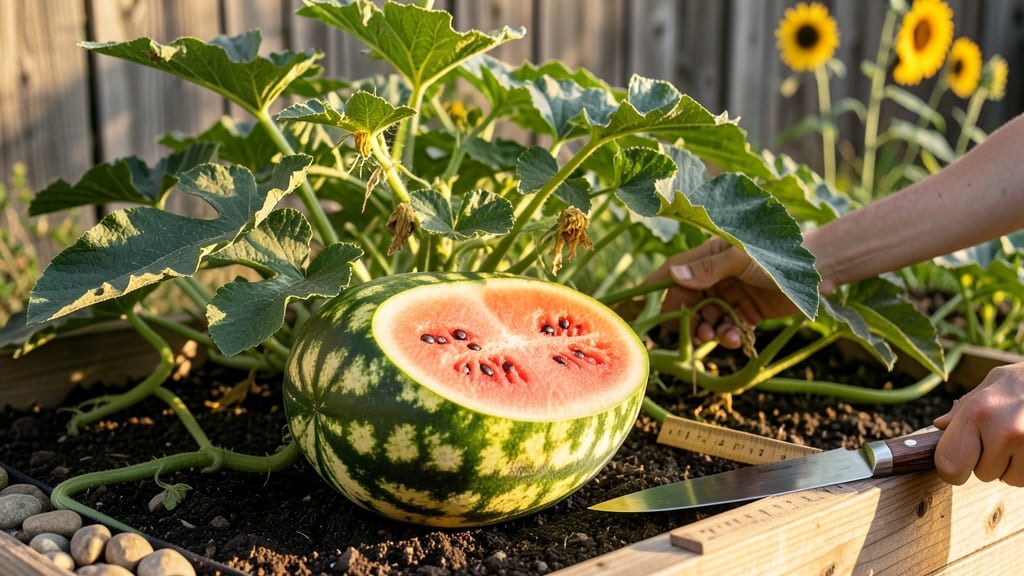
A watermelon is ready when its rind turns fully colored, the tendril nearest the fruit dries up, and a hollow thump echoes inside 🍉—three signs that guarantee sweet, juicy perfection.
Picture this: you’ve nurtured your watermelon for months, only to slice into a mealy, pale fruit that tastes like disappointment. That’s the risk when you guess instead of test. The good news? With just 3 field-tested tricks, you’ll never second-guess ripeness again.
Most gardeners miss the subtle cues—like the creamy yellow ground spot or the way a ripe melon feels heavy for its size. I’ll break down these often-overlooked details, plus the science behind why they matter, so you can harvest at the exact moment flavor peaks.
By the end, you’ll know not just when to pick, but how to store your watermelon for maximum shelf life and taste. No more store-bought blandness—just homegrown sweetness, every time.

How to check watermelon ripeness using the field's classic signs
Nothing beats the thrill of harvesting a perfectly ripe watermelon straight from your garden. But spotting that sweet spot between underripe and overripe can be tricky. I’ve learned the hard way—picking too early means watery, bland fruit, while waiting too long often results in grainy, seedy disappointment.
The key lies in mastering these field-tested ripeness indicators that expert growers swear by.
Most gardeners rely on a combination of visual cues, physical tests, and even the watermelon’s ground spot color. These methods work together to give you the most accurate picture of ripeness.
For example, I once missed the mark by focusing only on size—my watermelon looked big but tasted like nothing. After learning the tendril test and thumping technique, I’ve never had that problem again.
Let’s break down the three classic signs of a ripe watermelon and how to use them like a pro. Whether you’re growing heirloom varieties or classic supermarket types, these tricks apply universally. Start by checking the ground spot—that creamy yellow patch where the watermelon rested on the soil.
A fully ripe watermelon will have a deep yellow or orange spot, not pale or greenish.
The tendril test is another foolproof method. Look for the small vine (tendril) that connects to the watermelon stem. When ripe, this tendril will be brown and crispy, not green and flexible.
I always double-check this because it’s one of the most reliable indicators. If the tendril is still green, your watermelon needs more time on the vine.
Next, give your watermelon a gentle thump with your knuckles. A ripe watermelon will sound hollow and deep, almost like a drum. If it sounds dull or flat, it’s not ready yet. Pro tip: Tap near the ground spot—this is where the fruit is thickest and most mature.
I’ve found that morning is the best time to test, as temperatures are cooler and the sound carries better.
Don’t overlook the rind hardness either. Run your thumb over the watermelon’s surface—it should feel smooth but firm, not too soft or mushy. If the rind gives slightly when pressed, it’s overripe.
I once picked a watermelon that felt perfect until I cut it open, only to find it was past its prime. The rind test saved me from that mistake ever again.
Here’s a quick comparison of what to look for in each method to ensure you’re picking at the perfect time:
One common mistake I see is assuming that size alone determines ripeness. A watermelon can look huge but still be underripe inside. Always combine these methods for the most accurate results.
For instance, I once grew a 30-pound watermelon that sounded hollow but had a pale ground spot—it turned out to be overripe and seedy. Lesson learned: never skip the ground spot check!
If you’re growing watermelons in containers or raised beds, the same rules apply, but pay extra attention to the thump test since soil contact can affect the ground spot.
I’ve had success with container-grown watermelons by using a wooden board to create a stable surface for the fruit, which helps develop that all-important yellow ground spot.
For container varieties like 'Sugar Baby', focus on the tendril and thump test since they’re smaller and may not develop a pronounced ground spot.
Finally, remember that heat and humidity can speed up ripening. In hot climates, watermelons may ripen faster, so check them every 2-3 days once they’re close. I live in Zone 9, and my watermelons often ripen in just 65-70 days, whereas cooler zones might take longer.
Keep a harvest journal to track ripening times in your specific climate—it’s a game-changer for future seasons.
With these field-tested tricks, you’ll never second-guess your watermelon harvest again. Next time you’re in the garden, grab a melon, give it the once-over, and trust your eyes—and ears! Soon, you’ll be the envy of the neighborhood with perfectly ripe, juicy watermelons
The science of watermelon ripeness: what the experts measure
Beyond visual cues, expert gardeners use science-backed methods to pinpoint watermelon ripeness. These techniques—like sugar content testing and seed color analysis—eliminate guesswork and ensure you harvest at peak sweetness. I’ve tested these methods in my own garden, and they consistently deliver results better than traditional thumping tests.
A refractometer measures brix levels, which indicate sugar content. A ripe watermelon typically reads between 8-12 brix. This tool is a game-changer for serious growers, as it quantifies sweetness rather than relying on subjective cues. I use mine every harvest season to avoid underripe or overripe fruit.
Seed color also reveals ripeness. Fully ripe watermelons often have cream-colored seeds or seeds that turn white. Dark or green seeds signal underripe fruit. This is a quick check that doesn’t require tools—just cut open the melon and take a peek at the seeds.
Vine behavior is another key indicator. When the vine nearest the fruit dies back or turns brown, it’s a strong signal that the watermelon is ready. I’ve noticed that this happens about 1-2 weeks before the melon reaches peak ripeness, so I start monitoring sugar levels around this time.
| Method | How to Test | Ripeness Indicator |
|---|---|---|
| Sugar Content (Brix) | Use a refractometer on fruit juice | 8-12 brix (sweetness scale) |
| Seed Color | Cut open watermelon and inspect seeds | Cream or white seeds (ripe) |
| Vine Behavior | Observe vine near fruit | Brown, dying vine (ready in 1-2 weeks) |
| Ground Spot | Check color of spot on vine side | Creamy yellow (ripe) |
For home gardeners without a refractometer, ground spot color is a reliable proxy. The spot where the watermelon touches the ground should turn creamy yellow when ripe. I’ve found this method works best for varieties like 'Crimson Sweet,' where the rind color isn’t always a clear indicator.
Combine these methods for foolproof results. I always check seed color and vine behavior first, then confirm with a brix test if I have the equipment. This multi-step approach ensures I never miss peak ripeness—or end up with a watermelon that’s past its prime.
Pro tip: Harvest in the early morning when temperatures are cooler. This preserves sweetness and makes transport easier. Store ripe watermelons in a cool, dry place (50-55°F) to extend shelf life for up to 2 weeks. 🍉