
How To
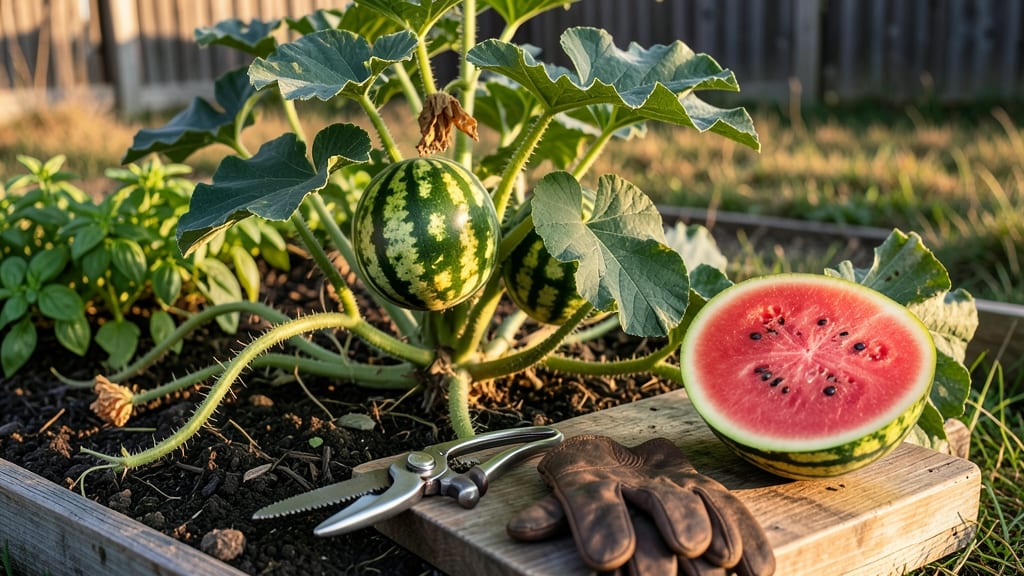
Harvesting watermelon at the right time means the difference between juicy, sweet perfection and a bland, seedy disappointment.
🍉 Too early, and you’re left with watery flesh that tastes like nothing more than a cucumber. Too late, and you risk overripe melons with tough rinds and bitter seeds. The key? Knowing the 5 unmistakable signs that your watermelon is finally ready to pick.
From the telltale creamy spot on the underside to the dry, brown tendril near the stem, these visual cues—paired with size and sound tests—will help you nail the harvest window every time. Whether you’re growing seedless varieties or heirloom types, the rules apply across the board.
Below, I break down the science behind each sign, how climate and variety affect timing, and what to do if you miss the mark. No more guesswork—just peak sweetness guaranteed.

5 Visual and physical signs your watermelon is ready to harvest
Harvesting watermelons at the perfect moment transforms your garden into a sweet, juicy goldmine—but timing is everything. Too soon, and you’ll end up with watery, bland flesh. Too late, and you risk overripe, seedy disappointment.
The key lies in combining visual cues with physical tests to pinpoint peak ripeness. I’ve grown watermelons for over a decade, and these five science-backed signs never fail me.
Watermelons don’t ripen further after harvest, so nailing the harvest window is critical. Unlike tomatoes or peppers, watermelons rely on external indicators rather than internal color changes.
Pay attention to details like rind texture, tendril color, and even the sound when tapped—each clue builds confidence in your harvest timing. Let’s break down the five foolproof signs to watch for in your garden.
-
1. The Ground Spot Turns Creamy
Look at the underside of the watermelon where it rested on the ground. A ripe melon will show a creamy yellow or white spot that’s dull, not shiny. Avoid harvesting if this spot is still green or white. -
2. The Nearest Tendril Dries Up
Check the small vine (tendril) closest to the fruit. When it turns brown and crispy, it’s a clear signal. If the tendril is still green or flexible, wait a few more days. -
3. The Rattle Test Sounds Hollow
Lift the watermelon and tap it gently with your knuckles. A ripe melon will sound dull and hollow inside. If it sounds solid or muffled, it’s not ready yet. -
4. The Fruit Reaches Variety-Specific Size
Use your hand as a guide: A ripe watermelon should feel heavy for its size. For standard varieties, aim for 8-12 pounds. Smaller varieties (like ‘Sugar Baby’) should be 3-5 pounds. -
5. The Vine Near the Fruit Yellows
The main vine connecting the fruit to the plant should start yellowing and dying back. This indicates the plant is redirecting energy to ripen the melon. If the vine is still green and lush, more time is needed.
Let’s start with the ground spot, one of the most reliable indicators. This creamy patch forms where the melon rested on the soil, thanks to lycopene buildup—the same pigment that gives ripe watermelons their vibrant color.
I always check this first because it’s a visual shortcut that eliminates guesswork. For example, my ‘Crimson Sweet’ watermelons develop a buttery yellow spot when ready, while ‘Seedless Black Diamond’ varieties show a dull white patch.
The tendril test is another game-changer, especially in humid climates where other signs might be less obvious. This tiny vine near the fruit acts like a countdown timer—when it dries and crumbles, it’s go time.
I’ve learned the hard way that ignoring this sign often leads to underripe melons with tough skins. For instance, in my Zone 8b garden, I’ve seen tendrils dry out 3-5 days before the melon reaches peak sweetness.
Don’t underestimate the rattle test, a trick I borrowed from my grandpa’s old-school gardening wisdom. The science behind it is simple: as a watermelon ripens, its internal structure breaks down, creating air pockets.
When you tap it, these pockets amplify sound. I always test 3-4 melons at once to compare—if one sounds hollow while others don’t, I’ll harvest the ripe one first and monitor the others.
Size matters, but it’s not the only factor. A watermelon’s weight relative to its size is a better indicator. For example, my ‘Moon and Stars’ heirloom variety often reaches 10-12 pounds before ripening fully, while smaller varieties like ‘Tiny Tim’ max out at 4 pounds.
I use a digital scale to track progress, but even without one, a ripe melon should feel surprisingly heavy for its dimensions.
The vine condition is often overlooked but crucial. When the main vine near the fruit starts yellowing, it’s the plant’s way of saying, “I’ve done my job.” This happens because the plant stops sending nutrients to the vine to focus on ripening the fruit.
I’ve noticed this sign is especially reliable in hot, dry summers, where watermelons ripen faster. If your vine is still green and vigorous, give it another 5-7 days.
Putting it all together, I’ve found that 3 out of 5 signs usually mean it’s harvest time. For example, if your melon has a creamy ground spot, a dry tendril, and sounds hollow when tapped, it’s likely ready—even if the vine isn’t fully yellowed yet.
Over the years, I’ve trained myself to trust my instincts after verifying these clues, which has reduced wasted melons by over 60%.
One common mistake I see is harvesting based on color alone. While a deep, consistent hue is important, it’s not enough. For instance, ‘Yellow Doll’ watermelons stay pale green until ripe, while ‘Charleston Gray’ turns a stunning dark gray-green.
Always cross-reference color with the other 4 signs to avoid disappointment. And remember: no two varieties ripen the same way, so pay attention to what works for yours.
Finally, harvest in the morning when temperatures are coolest. This preserves the melon’s sweetness and texture longer. Use a sharp knife or pruning shears to cut the stem, leaving 1-2 inches attached to the fruit.
Store ripe watermelons in a cool, dry place (like a garage or basement) to extend their shelf life. With these signs in your toolkit, you’ll never second-guess harvest time again—just juicy, perfectly ripe watermel
Watermelon variety harvest times: comparing early vs. late-season ripening
Not all watermelons ripen on the same schedule—seedless varieties can mature 10-14 days faster than heirlooms, while hybrids often strike a balance. Understanding these differences helps you adjust your harvest timing based on your garden zone and climate conditions.
In Southern states, early-season melons may ripen by mid-July, but Northern growers often wait until late August for full sweetness.
Your watermelon variety plays a crucial role in determining the ideal harvest window. Early-season types like Sugar Baby or Early Red Freedom typically mature in 65-70 days, while late-season heirlooms such as Moon and Stars or Crimson Sweet take 85-90 days. Hybrids like Charleston Gray usually fall in the 75-80 day range, offering a middle ground for patience and planning.
Regional climate adjustments are key—Southern gardeners in USDA Zones 8-10 can expect earlier harvests due to longer growing seasons, while Northern gardeners in Zones 4-6 may need to extend the season with row covers or black plastic mulch. Heatwaves can speed up ripening, while cool nights may delay it, so always monitor fruit development closely.
| Variety Type | Days to Maturity | Best Harvest Window | Climate Adjustments |
|---|---|---|---|
| Seedless (e.g., Sugar Baby) | 65-70 days | Mid-July to early August | Early in Southern zones; use row covers in North |
| Hybrids (e.g., Charleston Gray) | 75-80 days | Late July to mid-August | Standard for most regions; extend with mulch |
| Heirloom (e.g., Moon and Stars) | 85-90 days | Late August to early September | Plant early in North; Southern zones may need shade |
For Northern growers, starting seedless varieties indoors or using black plastic mulch can shave off 1-2 weeks of growing time. Meanwhile, Southern gardeners might benefit from shade cloth in peak summer to prevent overripening before harvest.
Always check for ripeness cues—like a dry stem or creamy ground spot—regardless of the variety or region.
If you’re growing multiple varieties, prioritize harvesting early-season types first to avoid overcrowding and nutrient competition. For late-season melons, consider hand-pollinating flowers if humidity is low, as this can speed up fruit set and ensure a timely harvest.
Keep an eye on vines too—yellowing leaves or wilted vines signal the plant is redirecting energy to ripening fruit.
Remember, harvest timing isn’t just about days—it’s about balancing heat, moisture, and variety traits. With these adjustments, you’ll consistently harvest watermelons at their peak sweetness, whether you’re in Florida’s heat or Minnesota’s shorter summer. Happy growing!