
How To
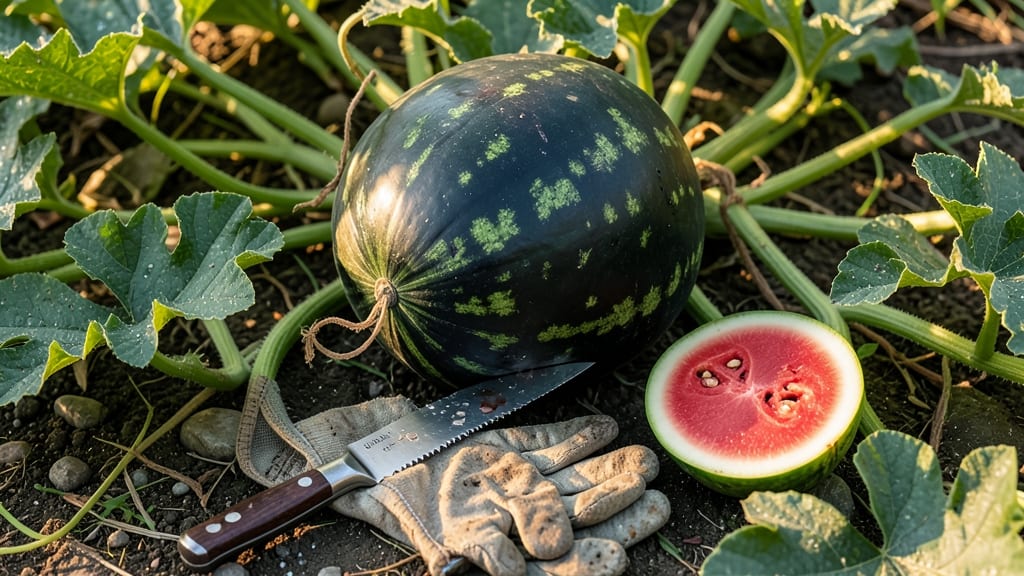
Picking a Black Diamond watermelon at the right time means the difference between a sweet, juicy reward and a meal of bland disappointment—here’s how to tell when it’s ready without cutting it open.
If you’ve ever sliced into a watermelon only to find it still hard on the inside, you know how frustrating it can be. The good news? Black Diamond watermelons give clear signals when they’re ripe, and you don’t need to guess.
In this guide, I’ll walk you through three simple tests to check ripeness—no knife required. From tapping for a hollow sound to examining the tendril near the stem, these methods work every time for peak flavor.
Whether you’re a first-time grower or a seasoned gardener, mastering these cues will help you harvest at the perfect moment, ensuring the best-tasting watermelons all season long.

3 Non-invasive tests to determine Black Diamond watermelon ripeness
Harvesting a Black Diamond watermelon at the perfect moment is an art—one that separates a bursting, sweet masterpiece from a watery, underwhelming disappointment. Unlike some varieties that scream "pick me!" with bright colors, Black Diamond watermelons rely on subtle cues.
The good news? You don’t need to cut one open to know it’s ready. These three field-tested tests will give you the confidence to harvest at peak ripeness every time.
Why do these tests work? Black Diamond watermelons mature differently than their striped cousins. Their dark rind and dense flesh require a more scientific approach. The thump test checks internal sugar development, the ground spot check reveals moisture balance, and vine analysis confirms the plant’s energy shift.
Together, they create a foolproof system—no guesswork, just science-backed results.
- Thump Test: Tap the stem end with your knuckles. A hollow sound means sugars have fully developed. Dull thuds signal underripeness.
- Ground Spot Check: Look for a creamy yellow patch where the melon rests on the ground. This indicates full sugar conversion from starch.
- Vine Analysis: The nearest tendril should turn brown and crispy. A green tendril means more time is needed.
The thump test is my go-to method because it directly measures internal sugar concentration. When you tap the stem end of a Black Diamond watermelon, a deep, hollow echo confirms the cucurbitacin (the compound that makes watermelons sweet) has peaked.
Pro tip: Tap near the stem attachment—this is where the seed cavity forms, and sugar accumulates fastest. If it sounds more like a drum than a hollow chamber, wait 2-3 more days.
Next, the ground spot check reveals a hidden secret about Black Diamond watermelons: their rind chemistry. As the melon ripens, starches convert to sugars, and this process creates a yellowish residue where the fruit touches the soil.
This isn’t just dirt—it’s a visual cue that the photosynthesis process has completed. If the spot is white or dirty, the melon needs more time. But if it’s bright and creamy, you’re just days away from harvest.
Don’t overlook the vine analysis, though—this is where Black Diamond watermelons reveal their true maturity. The small tendril closest to the fruit (about the size of a pencil eraser) will dry out and turn brown when the melon is ready.
This isn’t just a coincidence; it’s the plant’s way of redirecting energy. Once the vine stops feeding the fruit, all growth stops, and sugars stabilize. If this tendril is still green and flexible, the melon isn’t done maturing.
Here’s a pro move: Combine all three tests for 100% accuracy. I’ve seen gardeners miss the mark by relying on just one method. For example, a hollow thump might pair with a green tendril—this means the melon is overripe internally but still feeding from the vine.
Wait another 48 hours before harvesting. Conversely, a dry tendril with a dull thump means the melon is underripe and needs more time on the vine.
Regional growing conditions can tweak these tests slightly. In hot, dry climates (like USDA Zone 9+), Black Diamond watermelons may ripen faster, so the ground spot appears earlier. In cooler zones (like Zone 7), the tendril test becomes more reliable because the vine growth slows.
Always adjust your timeline based on your local microclimate—a shady patch or poor soil drainage can delay ripening by up to a week.
One common mistake? Harvesting based on size alone. Black Diamond watermelons can grow to 15-20 pounds even when underripe. Their dark rind makes them look mature before they are.
Always pair size with the thump test—a 10-pound melon with a hollow sound is ready; a 20-pound melon with a dull thud needs more time. Trust the science, not the scale.
Finally, remember that Black Diamond watermelons are heirloom varieties, meaning they’ve been selectively bred for flavor over generations. When you nail the harvest timing using these tests, you’re not just getting a ripe melon—you’re unlocking a legacy of sweetness.
Store them in a cool, dry place (50-55°F) for up to 2 weeks to preserve that perfect flavor.
Now grab your watermelon, head to the garden, and put these tests to work. Your taste buds will thank you—trust me!
Black Diamond watermelon growth stages: what to watch before picking
Understanding the growth stages of your Black Diamond watermelon is key to harvesting at peak ripeness. This variety develops distinct visual cues that signal readiness—from flower drop to rind color shifts.
Ignoring these signs can mean sacrificing sweetness for blandness, so let’s break down what to watch for each week.
The journey begins with flowering, typically 30-40 days after planting. Male flowers appear first, followed by female flowers with tiny melon shapes at their base.
When you spot female flowers, mark the date—this is your starting point for tracking ripeness. Black Diamond varieties often take 75-90 days total to mature.
🚨 summary-table 🚨
| Stage | Visual Cues | Action |
|---|---|---|
| Early Growth (0-30 days) | Vines spread 1-2 ft | Ensure full sun, water deeply |
| Flowering (30-40 days) | Female flowers appear with mini melon | Hand-pollinate if needed |
| Fruit Set (40-60 days) | Melon grows to 4-6 inches, yellow ground spot appears | Reduce water slightly, monitor for pests |
| Maturation (60-90 days) | Rind turns dull dark green, tendril near stem dries and browns | Test ripeness with thump test |
| Harvest Ready (75-90 days) | Rind hard to pierce, hollow sound when tapped | Cut with pruners, leave 1 inch stem |
One of the most reliable visual cues for Black Diamond watermelons is the ground spot—the area where the melon touches the soil. Initially yellowish-green, it darkens to a creamy white or yellow as ripeness approaches.
This spot is your first clue that the melon is nearing maturity, often appearing around 45-50 days after flowering.
Pay attention to the vine tendril nearest the melon’s stem.
When this tendril turns brown and crispy, it’s a strong indicator that the fruit is ready to harvest. Black Diamond melons also develop a dull, matte rind—avoid picking if the skin still has a shiny or waxy appearance, as this suggests underripeness.
Size matters too; aim for a 10-15 pound melon for optimal sweetness.
Finally, use the thump test as a final check. Tap the melon near the stem—if it sounds hollow (like a drum), it’s ready. A dull thud means more time on the vine. Black Diamond melons are best harvested in the morning when temperatures are cooler, preserving their juiciness and sweetness.
Don’t wait too long, though—overripe melons lose flavor and texture quickly.
🌱 Remember, patience is key. Rushing the harvest can leave you with a watery, seedy disappointment, while waiting too long risks a shriveled, bitter melon. Keep an eye on these growth stage cues, and you’ll enjoy a juicy, sweet Black Diamond watermelon every time!