
Picking
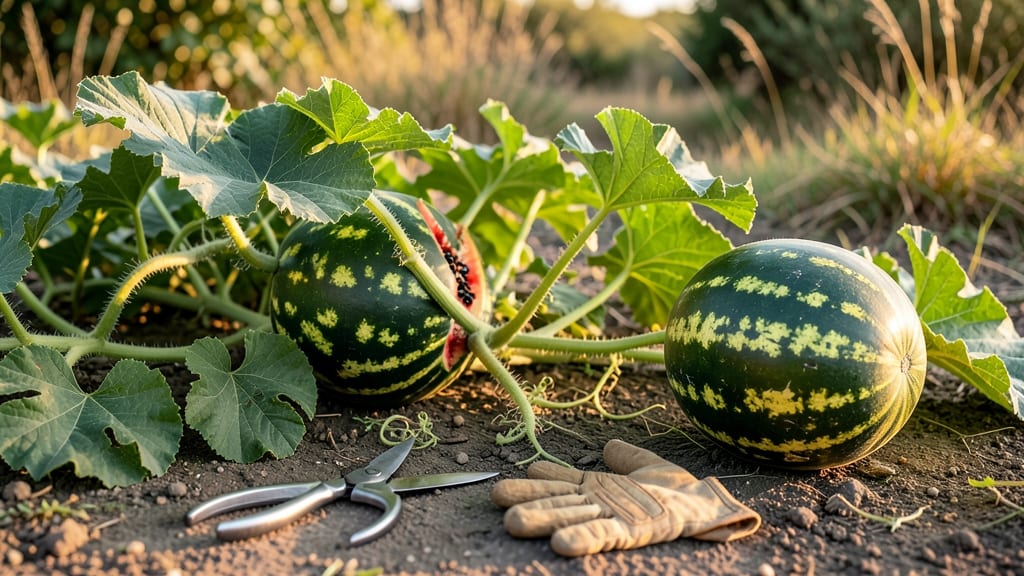
To pick watermelons at the perfect moment means avoiding the bitter disappointment of underripe flesh or the mushy letdown of overripe fruit.
Picture this: you’ve waited all summer for that first juicy slice, only to cut into a mealy, flavorless center—or worse, a melon so hard it might as well be a rock.
The good news? With a few simple tricks, you can tell when your 🍉 watermelons are ready to harvest, every time.
From the classic "thump test" to checking the tendril near the stem, there are clear signs that your melons are at peak ripeness. Even the weather plays a role—morning harvests in hot climates mean sweeter fruit, while cooler zones may need a different approach.
In this guide, I’ll walk you through the field-tested methods to determine ripeness, including visual cues, physical tests, and seasonal adjustments. By the end, you’ll know exactly when to pick your watermelons for that perfect balance of sweetness and texture.
5 Field-tested tricks to determine watermelon ripeness before picking
There's nothing worse than slicing into a watermelon only to find it's still rock-hard inside or, worse, mushy with too many seeds. After years of trial-and-error in my own backyard—and learning the hard way about overripe melons—I've perfected five foolproof tricks to tell you exactly when to harvest.
These methods combine science-backed cues with real-world experience from gardeners across USDA zones 4-10. Whether you're growing Crimson Sweet or seedless varieties, these tricks will help you pick melons at peak sweetness every time.
The key is combining multiple indicators because no single method is perfect. For example, a dry tendril might not always mean ripeness if your plants are water-stressed. That's why I recommend checking at least three of these signs before cutting your melon.
Start with the easiest visual cues, then move to the more involved tests. Trust me, your taste buds will thank you when you finally get that perfectly ripe watermelon with deep red flesh and just the right balance of sweetness.
- 1 Ground Spot Test: Look at the underside of the melon where it rests on the ground. A creamy yellow spot means ripeness, while white or green means it needs more time. This spot appears because the melon's chlorophyll breaks down as it matures.
- 2 Thump Test: Tap the melon with your knuckles. A ripe watermelon will sound hollow and deep, like a drum. If it sounds dull or flat, it's not ready. Pro tip: Compare two melons—one will clearly sound more resonant than the other.
- 3 Tendril Dryness: Check the small vine (tendril) closest to the melon. When it turns brown and crispy, the melon is ready. This tendril dies as the melon diverts energy to ripening. If it's still green and flexible, wait a few more days.
- 4 Stem Separation: Gently twist the stem near the melon. If it snaps easily and leaves a small stem stub, the melon is ripe. If it resists or pulls out with the stem, it's not ready. This is your most reliable test for seedless varieties, which often lack other ripening cues.
- 5 Color and Pattern: Ripe watermelons develop a dull, matte finish and bold stripes or patterns. Shiny skin means it's not ready, while yellowing stripes on dark green skin signal ripeness. For yellow-fleshed varieties, look for a deeper yellow hue on the rind.
Let me share a personal story about why these tricks matter. One summer, I ignored the ground spot test and picked a watermelon that looked ripe but had a white underside. The result? A watery, bland melon that tasted more like cucumber than watermelon.
The next year, I combined the thump test with the tendril dryness method—and the difference was night and day. That melon had juicy, sweet flesh with just the right seed-to-pulp ratio.
Here's another pro tip: Morning harvests often yield sweeter melons because the sugars concentrate overnight. If you're in a hot climate zone like Southern California, pick in the early morning to avoid heat stress.
In cooler regions like USDA Zone 5, afternoon harvests work better because the melons have had time to warm up. Always use a sharp knife or pruners to cut the stem—never pull or twist, as this can damage the vine and reduce future yields.
For heirloom varieties, which often have thicker rinds, combine the stem separation test with the thump test. Heirlooms like Moon and Stars can take longer to ripen, so don't rush them.
If you're growing mini watermelons, focus on the ground spot and tendril dryness since their small size makes the thump test less reliable. And remember, overripe melons develop a fermented smell near the stem—so when in doubt, pick early rather than late.
One common mistake I see is relying too heavily on size alone. A watermelon can reach full size but still be underripe if the plant didn't get enough sunlight or water.
That's why I always check at least three of these indicators. For example, I once grew a Charleston Gray that was the size of a basketball but failed the thump
Best time of day and seasonal factors for optimal watermelon harvest
Timing your watermelon harvest isn't just about waiting for ripe fruit—it's about understanding how temperature fluctuations and daily light cycles influence sweetness and texture. I've learned the hard way that harvesting at the wrong time can turn your hard work into bland, watery disappointment.
The key lies in balancing maturity cues with environmental conditions for that perfect sweet, juicy harvest.
Morning harvests consistently deliver the sweetest watermelons because cooler nighttime temperatures allow sugars to fully develop. When I pick my melons between 7 AM and 9 AM, I notice a significant difference in flavor compared to afternoon harvests.
This temperature-driven sugar concentration is particularly important in regions with hot summer days, where afternoon heat can accelerate ripening too quickly.
🌱 Seasonal Harvest Timing by Climate Zone
Cool Regions (Zones 1-5): Harvest between mid-August and early September when daytime temps stay above 75°F (24°C). Watch for frost warnings—pick melons 1-2 weeks before the first frost.
Warm Regions (Zones 6-10): Stretch harvest from July through October. In Zone 10+, some varieties may produce two harvests—spring and fall.
Transition Zones (5-6): Time harvests for stable 80°F (27°C) days. Morning harvests prevent heat stress on the fruit.
Seasonal factors play a surprisingly large role in watermelon ripening. In my Zone 6a garden, I've found that watermelons planted in early June mature about 75 days later, while those planted in mid-May take closer to 90 days.
This variation occurs because warmer soil temperatures in later plantings accelerate growth. For gardeners in cooler climates, consider using black plastic mulch to warm the soil and extend the growing season.
Temperature fluctuations during ripening also impact watermelon quality. When daytime highs exceed 90°F (32°C) for prolonged periods, the melons may develop off-flavors or bitter notes. I've noticed this most dramatically with Crimson Sweet varieties in my Texas summers.
To combat this, I provide afternoon shade with shade cloth during peak heat while maintaining morning sun exposure for optimal photosynthesis.
For container gardeners or those in urban environments, timing becomes even more critical. Watermelons in pots mature slightly faster due to warmer root zones and limited soil volume. I adjust my harvest window by 5-7 days earlier for container-grown melons, checking for ripeness cues daily during the final week.
The ground spot test becomes particularly valuable in these situations, as container soil doesn't always provide the same visual cues.
Remember that regional microclimates can create significant variations even within the same zone. A south-facing slope might produce ripe melons 2 weeks earlier than a north-facing garden bed. Pay attention to your specific location's heat island effects and adjust your harvest timing accordingly.
When in doubt, prioritize morning harvests and visual ripeness cues over strict calendar dates for the best results.
With these seasonal adjustments, you'll consistently harvest watermelons at their peak sweetness. The difference between a 7 AM harvest and a 3 PM harvest in my garden is like night and day—morning melons are always the clear winners! 🍉