
How To
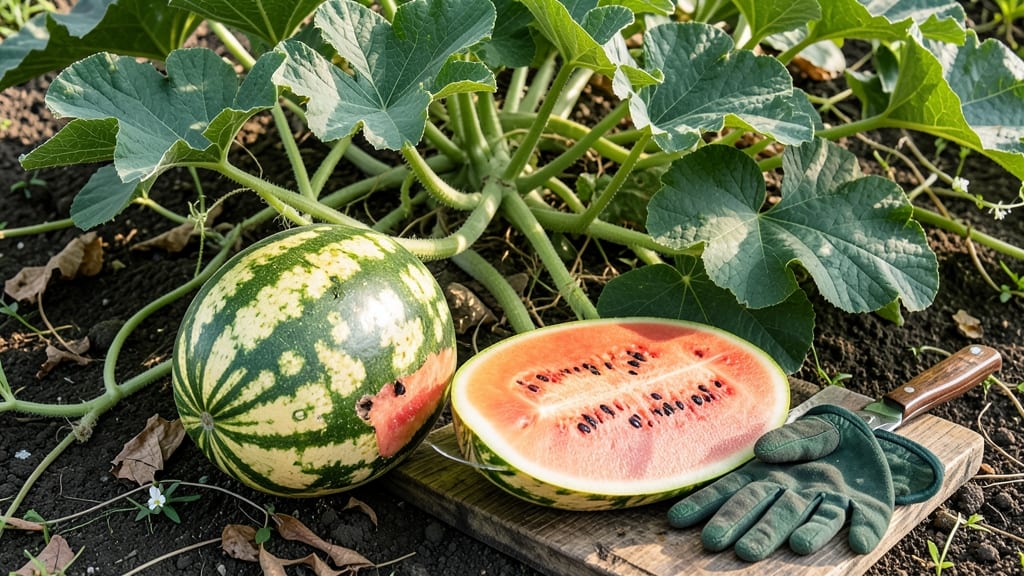
How to check watermelon ripeness using the thump, stripes, and stem tests
Knowing when to harvest your watermelon can be confusing, but mastering the thump test, stripes check, and stem inspection will give you foolproof results. These three methods work together to confirm ripeness, ensuring you avoid the disappointment of underripe or overripe fruit.
Let’s dive into each technique and why they matter.
The thump test is the most famous method, but many gardeners misinterpret it. A hollow sound doesn’t always mean ripeness—it’s more about the dull thud you hear when tapping a ripe melon. Combine this with the other two tests for accuracy, and you’ll never second-guess your harvest again.
Here’s a quick reference to help you decide when your watermelon is ready to pick:
Start with the thump test by gently tapping the melon with your knuckles. A ripe watermelon produces a deep, hollow-sounding thud, while an unripe one sounds dull or flat.
This test works best when combined with the other two methods—never rely on it alone. For example, a melon that thumps loudly but still has green stripes isn’t ready yet.
The stripes check is another key indicator of ripeness. Look for deep, creamy stripes that run from the blossom end toward the stem end. If the stripes are pale or still green, the melon needs more time.
Pro tip: The stripes should be consistent in color—no patchy or uneven areas. This is especially true for varieties like Sugar Baby or Crimson Sweet, where stripe color is a reliable cue.
Don’t overlook the stem inspection, as it’s one of the most accurate signs. When the tendril near the fruit (the small vine that connects the melon to the plant) turns brown and dries out, it’s a clear signal that the melon is ready.
This tendril acts like a natural timer, so if it’s still green or vibrant, hold off on harvesting. Some gardeners also check the stem end of the melon itself—it should be dry and slightly shriveled, not green or moist.
Another often-overlooked clue is the ground spot, the area where the watermelon rested against the soil. When ripe, this spot turns from white to creamy yellow. This change happens because the melon’s natural sugars develop fully as it ripens.
If the ground spot remains white or greenish, the melon isn’t ready yet. This is a great final check before you decide to harvest.
For extra accuracy, combine all three tests. For instance, if your watermelon has deep stripes, a dull thud, and a dried tendril, it’s almost certainly ripe. However, if one test fails—like the stripes still being green—wait a few more days before harvesting.
This multi-step approach ensures you get the sweetest, juiciest watermelon possible.
One common mistake is harvesting too early because the melon looks big enough. Size alone isn’t a reliable indicator—always check the ripeness cues first. Overripe watermelons can develop soft spots, a mushy texture, or even crack open due to overhydration.
By mastering these tests, you’ll avoid these pitfalls and enjoy a perfect harvest every time.
Remember, patience is key when growing watermelons. Rushing the process can lead to disappointment, but following these three tests will give you confidence in your harvest. Once you’ve confirmed ripeness, cut the melon from the vine using a sharp knife or pruners, leaving a small stem attached.
This helps the fruit cure properly and last longer in storage.
Now that you’re equipped with these watermelon ripeness tests, you’ll never second-guess your harvest again. Happy gardening! 🍉
Best time of year and environmental factors affecting watermelon harvest
Watermelons thrive under specific environmental conditions, and timing your harvest correctly ensures maximum flavor and sweetness. The ideal harvest window typically falls between late summer and early fall, but this varies based on your USDA zone and climate.
In Southern climates (Zones 8-11), watermelons often ripen as early as June or July, while Northern growers (Zones 4-7) may wait until August or September.
Daylight hours play a critical role in ripening. Watermelons need 12-14 hours of daylight to develop properly, which aligns with the longest days of summer. As daylight shortens in late summer, growth slows, signaling it’s time to monitor melons closely.
Additionally, soil temperatures above 75°F (24°C) accelerate ripening, while cooler soils can delay it.
Soil conditions also impact harvest timing. Well-draining, sandy loam soil with a pH between 6.0 and 6.8 provides optimal growth. Overly compacted or waterlogged soil can stunt fruit development, while drought stress may cause bitter flavors. Mulching helps maintain consistent soil moisture and temperature, creating ideal ripening conditions.
- 🌡️ Temperature: Harvest when daytime temps are 80-90°F (27-32°C)—ideal for sweetness.
- ☀️ Daylight: Aim for 12-14 hours of sun daily; ripening slows as days shorten.
- 💧 Soil Moisture: Keep soil evenly moist but not soggy to avoid cracked or bland melons.
- 📅 Southern Climates: Harvest June-August (earlier than Northern regions).
- ❄️ Northern Climates: Wait until August-September to avoid frost damage.
- 🌱 Frost Watch: Harvest 2-3 weeks before the first expected frost.
Regional differences matter. In Southern states like Florida or Texas, watermelons may ripen as early as May, while Northern states like Minnesota or Maine often see harvests in late August or September.
Pay attention to local frost dates—watermelons won’t ripen post-frost, so plan accordingly. For container growers, black plastic mulch can extend the season by warming the soil faster.
Environmental stress, like extreme heat or drought, can accelerate ripening but may reduce sweetness. Conversely, cool, cloudy weather slows growth, delaying harvest. If your melons aren’t ripening by late summer, consider shading cloth to protect them from heat stress while maintaining warmth.
Always prioritize visual and physical ripeness tests over calendar dates for the best results.
Finally, overnight temperatures below 60°F (15°C) can stunt growth, so use row covers if needed. By aligning your harvest with these environmental cues, you’ll enjoy watermelons at their peak—sweet, juicy, and perfectly ripe. 🍉