
Plants
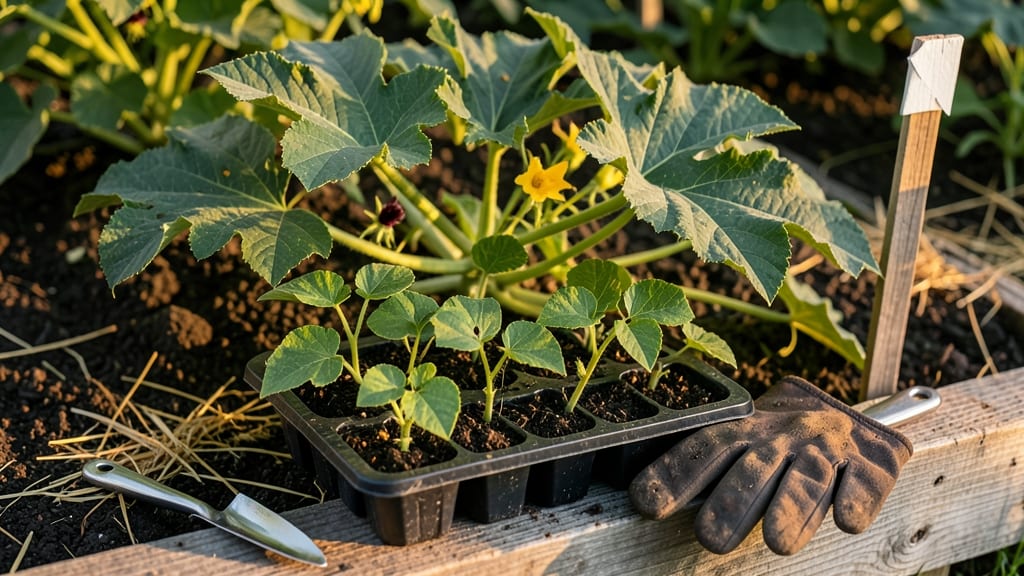
Plant watermelon in California when soil temperatures hit 70°F or higher—a rule that shifts dramatically from coastal fog to desert heat.
California’s diverse climate—from coastal fog to desert heat—can make watermelon planting a tricky balancing act. Plant too early, and your vines will wilt in the cold; too late, and you’ll miss the sweet harvest season.
Here’s the science-backed timing to maximize your 🍉 yield in every growing zone, whether you’re in frost-free coastal 9b or the desert’s 11.
You’ll learn the exact start dates for direct sowing vs. transplants, how to read soil cues, and which varieties thrive in each microclimate—plus the one trick that adds 3 extra weeks to your harvest window.
California planting zones & best watermelon start dates by region
California’s microclimates create unique challenges for watermelon growers. Unlike most states, we don’t have to worry about frost dates in most regions, but soil temperature and day length dictate the perfect planting window.
Watermelons thrive when soil reaches 70°F+—a threshold that varies dramatically from coastal San Francisco to the Central Valley’s scorching summers.
Your region’s USDA zone (9b-11) and elevation determine whether you’ll plant in February (desert) or May (coastal). Below, I’ve broken down the optimal start dates for direct sowing and transplanting, plus soil prep tips to ensure your vines get off to a running start.
Pro Tip: Use a soil thermometer to confirm readiness—cold soil delays germination by weeks. If your soil is still chilly, try black plastic mulch to warm it faster.
| Region | USDA Zone | Direct Sow Start | Transplant Start | Soil Temp Threshold | Harvest Window |
|---|---|---|---|---|---|
| Coastal (SF, LA) | 9b-10a | Mid-April to May | Late March (indoors) | 70°F+ (wait for 75°F+) | July–October |
| Central Valley (Sacramento, Fresno) | 9a-10a | Late March–April | Early March (indoors) | 70°F+ (soil warms fast) | June–September |
| Desert (Palm Springs, Death Valley) | 9b-11 | February–March | January (indoors) | 70°F+ (earlier starts possible) | May–August |
| Sierra Foothills (Modesto, Stockton) | 8a-9a | Early May | Late April (indoors) | 75°F+ (cooler nights delay germination) | July–September |
For coastal gardeners, patience is key—rushing watermelon seeds into chilly March soil risks rotten seeds or stunted vines. Instead, start seeds indoors under grow lights in late February and transplant after May 15, when soil temperatures consistently hit 75°F.
In the Central Valley, where 100°F+ days aren’t uncommon, you can plant as early as late February if you use row covers to protect young seedlings from heat stress. Varieties like ‘Sugar Baby’ mature in just 70 days, making them ideal for quick harvests before summer’s peak.
Desert growers have the earliest start dates—some plant in January—but must monitor water needs closely. The low humidity and intense sun can cause vines to bolt prematurely. Drip irrigation and shade cloth during the hottest hours help maintain steady growth.
No matter your zone, succession planting every 2 weeks ensures a continuous harvest. For example, in the Central Valley, plant one batch in March, another in April, and a final batch in early May to stretch your season until October.
Always choose heat-tolerant varieties like ‘Crimson Sweet’ for inland areas or ‘Charleston Gray’ for coastal regions. These varieties handle temperature swings better than standard types, reducing the risk of blossom drop or poor fruit set.
🌱
How to extend your watermelon season in California’s climate challenges
California’s microclimates can turn watermelon growing into a high-stakes game. Coastal areas like San Francisco face chilly mornings, while Central Valley heat can scorch tender seedlings. The key? Strategic timing and variety selection to match your local conditions.
With the right approach, you can enjoy homegrown watermelons from early summer through fall—even in tricky zones.
I’ve grown watermelons in Zone 9b for years, and the difference between a disastrous early start and a bountiful harvest often comes down to these three factors: soil warmth, shade protection, and succession planting.
Let’s break down how to outsmart California’s climate quirks and keep your vines productive all season.
- 1. Start seeds indoors 4-6 weeks before your last frost date (coastal areas) or when soil hits 70°F (inland). Use grow lights to avoid leggy seedlings.
- 2. Use black plastic mulch to raise soil temperature 5-10°F faster, especially in cooler coastal zones. This lets you plant 2-3 weeks earlier.
- 3. Deploy shade cloth (30-50%) in coastal fog belts to protect young plants from temperature swings while still allowing sunlight.
- 4. Choose heat-tolerant varieties like ‘Sugar Baby’ (65-70 days) for desert zones or ‘Crimson Sweet’ (80-90 days) for cooler inland areas.
- 5. Plant in succession every 2 weeks from March to June (coastal) or February to May (inland) for a staggered harvest.
- 6. Mulch heavily with straw or grass clippings to retain moisture and cool roots during Central Valley heatwaves.
- 7. Prune aggressively in high-density gardens to improve airflow and fruit quality, especially in humid coastal microclimates.
For coastal gardeners, the biggest challenge is delayed warming. I’ve seen San Diego gardeners lose entire crops by planting too early—even in March. The fix? Wait until mid-April when daytime temps consistently hit 75°F+. Use row covers at night if temps dip below 55°F.
Inland areas like the Central Valley face the opposite problem: scorching heat that can bolt seedlings if planted too late. My trick? Start seeds in late February under shade cloth, then transplant after March 15th. This gives vines a 6-week head start before summer’s peak heat.
Don’t overlook desert microclimates either. Here, the goal is to beat the summer solstice. Plant ‘Black Diamond’ (a heat-tolerant variety) in February and harvest by mid-June before temps exceed 105°F. Use drip irrigation to keep roots cool—overhead watering can cause fruit rot in the intense desert sun.
Pro tip: Test your soil temperature with a soil thermometer before planting. Watermelon seeds need 70°F+ soil to germinate—any cooler, and you’ll waste seed packets. If your soil is still chilly, raise beds or use black landscape fabric to absorb heat.