
Plants
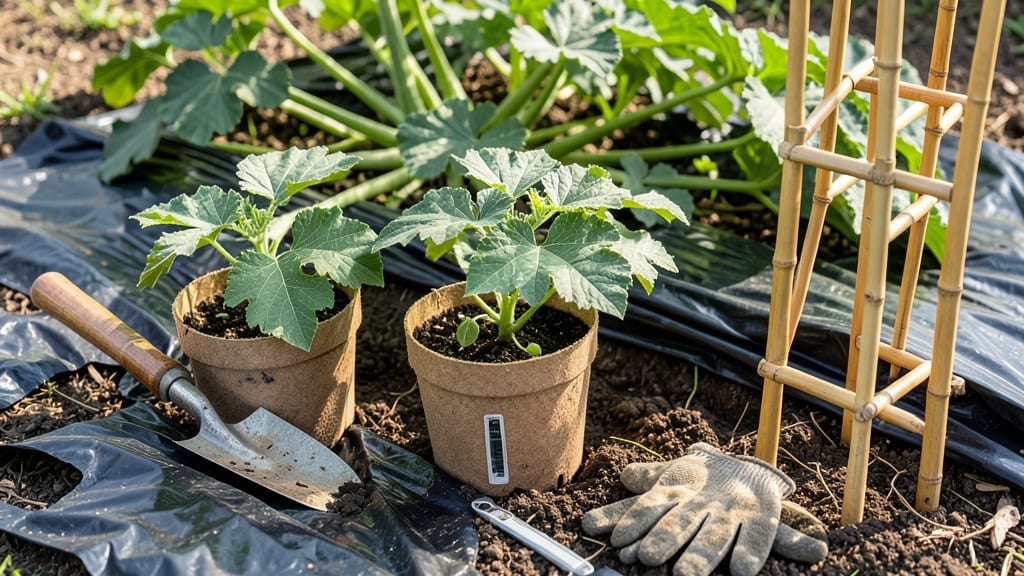
To plant watermelon in Connecticut, wait until mid-May to early June after the last frost—skipping this window risks losing your crop to late cold snaps or stunted growth.
Struggling to time your watermelon planting in Connecticut’s unpredictable climate? Get it wrong, and you’ll miss peak harvest season—or worse, lose your plants to late frosts.
Here’s the key: soil must stay above 70°F for germination, and vines need at least 120 frost-free days to mature. Connecticut’s Zone 6a climate means rushing early starts often backfires.
Below, I break down the exact planting timeline by zone, the best varieties for short seasons, and how to protect young plants when the forecast calls for a surprise chill.
Connecticut’s frost-free zones & ideal watermelon planting windows by week
Connecticut’s USDA zones 5b-6b create a tricky balance for watermelon growers. The state’s average last frost date ranges from May 10-20 in northern regions to May 25-June 1 in southern areas.
Planting too early risks frost damage, while waiting too long cuts your 75-90 day harvest window short. Let’s break down the perfect timing for each zone.
Watermelons thrive when soil temperatures hit at least 70°F—a threshold Connecticut typically reaches by late May. However, early varieties can tolerate slightly cooler soils if you use black plastic mulch to accelerate warming.
In Zone 5b (northern CT), aim for May 25-June 1 planting, while Zone 6a/b gardeners can start as early as May 15 in southern areas.
Here’s your week-by-week planting timeline comparing direct sowing vs. transplanting risks:
For Zone 5b gardeners, I recommend sticking to direct sowing after Memorial Day weekend. The 10-year average last frost in Hartford is May 18, so planting before May 25 carries 30% frost risk.
Use row covers if you must plant earlier, but remove them immediately if temperatures drop below 50°F.
In Zone 6a/b, you have more flexibility. Southern Connecticut’s milder microclimates (like New Haven or Stamford) often see soil temperatures reach 70°F by May 10. Here, I suggest planting 'Sugar Baby' varieties as early as May 15 for a July harvest.
For larger varieties like 'Crimson Sweet', wait until May 25 to ensure full maturity before frost.
Pro tip: Test your soil temperature for 3 consecutive days before planting. Watermelon seeds won’t germinate below 60°F, and growth stalls below 70°F. A $10 soil thermometer is your best investment for CT’s unpredictable springs.
Planting too early in cool soil leads to poor germination rates and weak vines that struggle to support fruit.
If you’re tempted to start seeds indoors, be warned: Watermelons hate transplant shock. Only attempt this with 4-6 week old seedlings and use biodegradable pots to minimize root disturbance.
Even then, harden off seedlings for 2 weeks before moving them outdoors. For most CT gardeners, direct sowing after the last frost yields better results with fewer losses.
Remember: Connecticut’s 165 frost-free days mean you must prioritize early-maturing varieties. Aim to harvest by September 15 to avoid first frost damage. In my Zone 6a garden, I’ve found that planting by May 22 gives me 8-10 weeks of harvest time—just enough for
5 Pro tips to extend Connecticut’s short watermelon growing season
Connecticut’s short growing season and unpredictable frosts can make watermelon growing feel like a gamble. But with the right strategies, you can extend your harvest window and enjoy sweet, homegrown fruit.
The key is warming the soil early, protecting young plants, and choosing fast-maturing varieties that thrive in our climate.
I’ve grown watermelons in USDA Zone 6a for years, and these five pro tips have helped me avoid frost damage and boost yields even in cooler summers. Whether you’re a beginner or a seasoned gardener, these tricks will give your watermelons the best shot at success in Connecticut’s challenging conditions.
- 1 Use black plastic mulch to raise soil temps by 10-15°F. Lay it down 2-3 weeks before planting to create a warm microclimate for faster germination.
- 2 Start seeds indoors in biodegradable pots 3-4 weeks before last frost. Transplant seedlings when soil reaches 70°F+ and night temps stay above 55°F.
- 3 Choose fast-maturing varieties like 'Sugar Baby' (70 days) or 'Crimson Sweet' (80 days). These thrive in CT’s 165-day growing season and resist common diseases like blossom-end rot.
- 4 Use cold frames or row covers for early starts. These can add 2-3 weeks to your growing season by protecting seedlings from late frosts while still allowing sunlight through.
- 5 Monitor soil moisture closely to prevent blossom-end rot. Watermelons need 1-2 inches of water weekly, but avoid overwatering during flowering. Drip irrigation is ideal for consistent moisture.
One of the biggest mistakes I see in Connecticut gardens is planting too early when the soil is still cold. Watermelon seeds won’t germinate below 70°F, and even if they do, the young plants will struggle in cool soil.
I’ve lost entire plantings to fungal diseases because the soil stayed damp and cold too long.
To avoid this, I always test my soil temperature with a soil thermometer. If it’s below 70°F, I wait—no matter how eager I am to see those first sprouts.
Patience here pays off with healthier vines and better fruit set. Another pro tip: plant near a south-facing wall or fence to capture extra heat during the day.
For gardeners in northern CT (Zone 5b), consider using season extenders like low tunnels or hoop houses. These can push your harvest window back by 3-4 weeks, giving you time to grow a second crop of fast-maturing varieties like 'Early Red Freedom' (68 days).
Just remember to remove covers during the day to prevent overheating.
Finally, don’t forget that healthy soil is your best defense against pests and diseases. Before planting, amend your soil with compost and a balanced fertilizer (10-10-10). This gives your watermelons a strong start and helps them recover faster from Connecticut’s variable weather patterns.
With these tips, you’ll be well on your way to a bountiful watermelon harvest—even in our short growing season! 🌱