
Plants
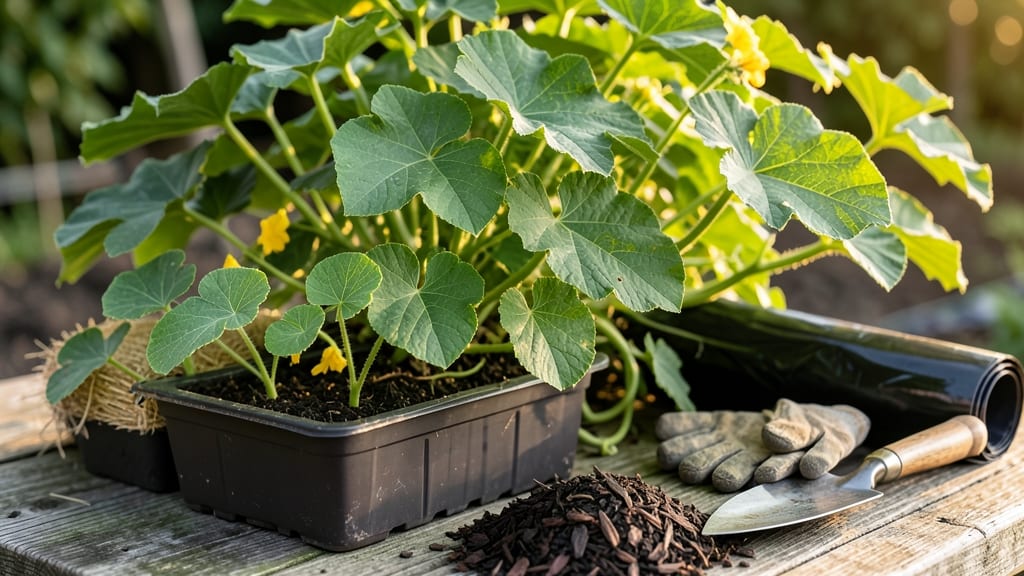
Plant watermelon in East Texas after the last frost date, typically mid-April to early May, when soil temperatures hit at least 70°F for strong germination.
East Texas’s long, hot summers are perfect for growing juicy watermelons—but timing your planting wrong can mean bitter disappointments instead of sweet rewards. Get the exact dates and expert tips to maximize your harvest in this region’s unique climate.
Most gardeners in Zone 8a rush to plant too early, only to watch seedlings rot in cold soil or wilt under sudden heat spikes. The key is patience: wait until the ground warms consistently, and you’ll avoid these common pitfalls.
In this guide, I’ll walk you through the optimal planting window, how to adjust for East Texas’s unpredictable weather, and the best heat-tolerant varieties to grow—so you can enjoy a bountiful harvest from July to September.
Optimal planting dates for East Texas watermelons by variety type
East Texas’s USDA Zone 7b-8a climate gives watermelons a long growing season, but precise timing is key to avoiding frost damage or overly ripe fruit. The last frost date typically falls around March 15, but soil temperatures must reach 70°F (21°C) before planting for successful germination.
Most varieties thrive when planted between mid-April and early May, with some heat-tolerant types allowing for late May sowing.
Your frost-free window spans roughly 220 days, meaning you can extend planting into early June for fall harvests if your first variety fails.
However, seedless watermelons and heirloom types are more sensitive to heat stress, so prioritize them for the earliest windows. Slicing varieties like 'Crimson Sweet' are more forgiving and can handle later plantings.
🚨 CRITICAL FACTOR: Soil temperature matters more than air temperature. Use a soil thermometer to confirm 70°F+ readings before planting. Cold soil delays germination and weakens seedlings.
In East Texas, this usually aligns with late April to early May, but black plastic mulch can warm soil 5-10°F faster if you need to plant earlier.
| Variety Type | Optimal Planting Window | Soil Temp Requirement | Days to Maturity | Harvest Window |
|---|---|---|---|---|
| Slicing (e.g., 'Crimson Sweet') | Mid-April to early May | 70°F+ (21°C+) | 70-85 days | July to early Sept |
| Seedless (e.g., 'Sugar Baby') | Late April to early May | 75°F+ (24°C+) | 65-75 days | Late June to Aug |
| Heirloom (e.g., 'Moon and Star') | Early to mid-April | 70°F+ (21°C+) | 80-90 days | Late July to Sept |
| Dwarf/Space-Saving (e.g., 'Tiny Tim') | Late April to early June | 65°F+ (18°C+) | 60-70 days | June to Aug |
For slicing watermelons, aim for mid-April planting to ensure harvests align with July-August heat. This variety handles East Texas’s 90°F+ temperatures well and produces large, juicy fruit. If you miss this window, early May is your last chance for a full-season harvest, but expect slightly smaller yields.
Seedless varieties like 'Sugar Baby' are heat-sensitive and need 75°F+ soil to thrive. Plant these late April to early May for late June to August harvests. These types are less drought-tolerant than slicing varieties, so prioritize consistent watering during East Texas’s summer droughts. A drip irrigation system is ideal for maintaining moisture without wetting foliage.
Heirloom varieties such as 'Moon and Star' require the earliest planting window—early to mid-April—to mature before early September. These types are more disease-prone in East Texas’s humid climate, so choose resistant cultivars or use row covers for young plants.
Their longer maturity time (80-90 days) makes them risky for late plantings.
If you’re experimenting with dwarf or space-saving varieties, you have flexibility until early June. Types like 'Tiny Tim' mature in 60-70 days, making them perfect for container growing or small gardens. These work well for late-season harvests (June-August) and can even be grown as fall
How to adjust planting for East Texas’s unpredictable weather patterns
East Texas’s weather can shift from cool spring rains to scorching summer heat in weeks, making watermelon planting tricky. The key is adapting to these unpredictable patterns while ensuring your vines thrive.
I’ve learned that soil warming, mulching, and backup planting windows are non-negotiable for success in this region. Let’s break down how to outsmart Mother Nature and still get that perfect sweet, juicy harvest.
First, late spring rains often delay planting, but waiting too long risks early summer droughts. I’ve found that soil thermometers are my best friend—plant only when soil hits 70°F (21°C) at a 2-inch depth.
This usually aligns with mid-April to early May in East Texas, but don’t rush if the ground stays soggy. Patience here means fewer seedling diseases and stronger vines down the line.
🌱
Key Adjustments for East Texas Weather
- 🔥 1. Soil Warming: Use black plastic mulch or clear plastic tunnels to raise soil temps 5-10°F faster in cool springs. Remove tunnels after planting to avoid overheating.
- 💧 2. Mulching Strategy: Apply 3-4 inches of straw mulch after germination to lock in moisture and block weeds. For drought-prone areas, add drip irrigation under mulch.
- ☀️ 3. Backup Planting: If rains delay spring planting, sow a second batch in late June for a fall harvest. Choose shorter-season varieties like ‘Sugar Baby’ (70 days).
- 🌡️ 4. Heat Tolerance: When temps hit 95°F+, shade cloth (30-50%) protects young vines. Water deeply at dawn to prevent blossom drop.
- 🌧️ 5. Rainy Season: If heavy rains persist, raise beds or use containers with drainage to avoid root rot. Space plants 12-18 inches apart for airflow.
One of my biggest mistakes was ignoring early summer droughts—they can turn your lush vines into crispy shadows overnight. To combat this, I now double down on mulch and install soaker hoses along rows.
Watering deeply once a week (1-2 inches) is better than daily shallow drinks, which encourage weak root systems. For container-grown watermelons, I’ve switched to self-watering pots to maintain consistency.
If your first planting gets rained out or struggles with cool soil, don’t panic—East Texas’s climate allows for two planting windows. My late June backup has saved multiple harvests.
Just pick fast-maturing varieties and accept smaller fruits. The trade-off? Ripe watermelons in September when store-bought ones are bland and overpriced.
For organic gardeners, compost tea or fish emulsion can boost heat tolerance, but avoid over-fertilizing—too much nitrogen leads to leafy vines with no fruit. I’ve had the best luck with a balanced 10-10-10 fertilizer applied at planting and again when vines start flowering.
And remember: prune suckers to direct energy into fruit production, not endless foliage.
Finally, keep an eye on the horizon. If a tropical storm is forecast, harvest early—even underripe watermelons taste better than none. With these adjustments, you’ll turn East Texas’s unpredictable weather into a competitive advantage, not a gardening nightmare. 🌿