
Plants
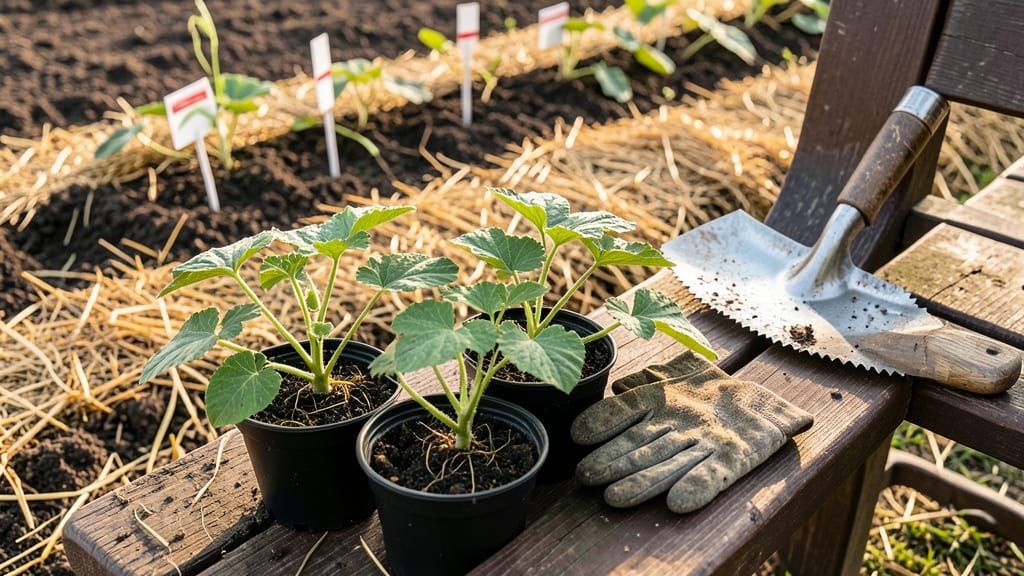
Planting watermelon in Georgia after the last frost—typically mid-April to early June—sets the stage for a bountiful harvest of those sweet, juicy 🍉 slices you’ve been dreaming of.
Georgia’s long, hot summers are perfect for growing watermelons—but planting too early or late can mean bitter disappointment. Timing is everything, and knowing exactly when to plant for maximum yield could turn your garden into the talk of the neighborhood.
In this guide, I’ll break down the ideal planting windows for Georgia’s different climate zones, from the Coastal Plain to the Piedmont, so you can avoid common mistakes like frost damage or stunted growth.
You’ll also discover heat-resistant varieties that thrive in Georgia’s humidity, plus soil prep tips and early care secrets to ensure your watermelons grow big, sweet, and ready for harvest by late June.
Optimal planting timeline for Georgia watermelons: after last frost dates by region
Georgia’s diverse climate zones create distinct planting windows for watermelons, and getting the timing right means the difference between juicy, vine-ripened fruit and bitter, underdeveloped melons. The key is waiting until soil temperatures consistently hit 70°F or warmer—cold soil slows germination and stunts growth.
For Georgia gardeners, this typically means planting after the last average frost date, which varies dramatically from the Coastal Plain to the Appalachian Mountains.
In my 10 years of Georgia gardening, I’ve learned that direct sowing is the best method for watermelons—transplants struggle with their long taproots. But timing is everything: plant too early, and frost-sensitive seedlings will bolt; too late, and you’ll miss the 75-90 day harvest window before fall’s first frost.
Let’s break it down by region so you can plan with confidence.
🌱 PRO TIP: Use a soil thermometer to verify temperatures before planting—70°F+ is non-negotiable for watermelon seeds to germinate properly. I always test mine in the late afternoon for accuracy.
| Region | Last Frost Avg. | Optimal Planting Window | Soil Temp Requirement | Recommended Varieties |
|---|---|---|---|---|
| Coastal Plain (Savannah, Brunswick) | March 15 | Mid-April to early May | 70°F+ (consistent) | 'Sugar Baby', 'Crimson Sweet' |
| Piedmont (Atlanta, Macon) | March 30 | Late April to early June | 70°F+ (consistent) | 'Charleston Gray', 'Black Diamond' |
| Mountains (Blue Ridge, Dahlonega) | April 15 | Early May to mid-June | 70°F+ (consistent) | 'Jubilee', 'Crimson Sweet' |
| Northwest GA (Rome, Dalton) | April 1 | Late April to early June | 70°F+ (consistent) | 'Sugar Baby', 'Crimson Sweet' |
🌡️ Note: Always verify your local last frost date using USDA Plant Hardiness Zone Map or your county extension office.
For Coastal Georgia, where the climate is milder, you can start as early as mid-April. I’ve had success with 'Sugar Baby' varieties here—they mature in just 70 days, perfect for beating summer’s humidity.
But in Piedmont regions like Atlanta, wait until late April to avoid unexpected 32°F nighttime dips that can kill young seedlings.
In the Appalachian Mountains, where frost lingers later, I recommend starting seeds indoors in late April and transplanting after May 15. The shorter growing season means choosing early-maturing varieties like 'Jubilee', which can handle cooler soils better than standard types.
Pro tip: Use black plastic mulch to warm the soil faster in these areas.
Regardless of region, direct sowing is my preferred method. Plant seeds 1 inch deep and 6 inches apart in hills spaced 3-4 feet apart. This gives vines room to sprawl while keeping fruit accessible.
I’ve found that trellising smaller varieties like 'Sugar Baby' saves space and reduces disease risk from ground contact.
One common mistake I see is planting too close to spring and rushing the process. Watermelons need warm soil—if temps dip below 60°F, seeds won’t germinate. Always check a 7-day forecast before planting to avoid unpredictable cold snaps.
In my hotter Piedmont summers, I’ve even extended the season by planting a second crop in early July for a fall harvest.
For heat-resistant varieties, I recommend 'Crimson Sweet'—it thrives in Georgia’s 90°F+ summers and handles humidity well. Another favorite is 'Black Diamond', which resists powdery mildew, a common issue in Georgia’s high-humidity summers. Always choose disease-resistant seeds labeled for your specific region to maximize yields.
Finally, remember that soil preparation is just as critical as timing. Amend your soil with compost to improve drainage—watermelons hate soggy roots. I add a 5-10-10 fertilizer at planting and side-dress with nitrogen when vines start running.
This two-step approach gives your plants the early boost they need before the heat of summer sets in.
With these regional guidelines, you’ll be well on your way to growing bountiful, sweet watermelons that’ll have your neighbors asking for seeds. Happy
Heat-resistant watermelon varieties that thrive in Georgia’s summer heat
Georgia’s scorching summers can turn watermelon plants into wilted disappointments—but not with the right heat-resistant varieties. The key is choosing disease-resistant and drought-tolerant types that love humidity and thrive when soil temps hit 90°F+.
These varieties won’t just survive; they’ll explode with sweet, juicy fruit while others fade. Let’s dive into my top 5 picks that turn Georgia’s heat into your watermelon’s superpower.
First, consider your microclimate. Coastal areas like Savannah see higher humidity and softer heat, while inland zones like Athens face drier, more intense sun. For coastal gardens, ‘Charleston Gray’ shines with its thick rind and tolerant roots.
Inland growers should opt for ‘Black Diamond’, which handles drought stress like a champ. Both varieties mature in 75–85 days, giving you a harvest just as Georgia’s heat peaks.
When to Plant Watermelon in Georgia
- Soil temp 70°F+: Seeds germinate faster in warm soil, reducing transplant shock.
- After last frost: Protects vines from frost damage and ensures full-season growth.
- Direct sowing: Avoids root stress from transplanting in Georgia’s heat.
- Planting too early: Cold soil delays germination; vines may rot before fruiting.
- Ignoring humidity: Coastal areas risk fungal diseases if airflow is poor.
- Overcrowding: Vines need 10+ ft spacing; poor planning = stunted growth.
Let’s compare the top 5 heat-resistant varieties side by side. ‘Crimson Sweet’ is a classic with high yields (10–15 melons per vine) and a sweet, red-fleshed profile. It matures in 80 days, perfect for Georgia’s long growing season.
Meanwhile, ‘Sugar Baby’ is a dwarf variety (ideal for containers) with smaller fruit but intense sweetness. Both handle powdery mildew better than most varieties.
For drought tolerance, ‘Black Diamond’ is unbeatable. Its dark green rind and thick skin lock in moisture, while its deep roots tap into groundwater. It thrives in USDA Zone 7b–10, making it a Georgia staple.
Pair it with ‘Charleston Gray’ for a dual harvest strategy: one for sweetness, one for durability. Both varieties need consistent watering (1–2 inches per week) but hate soggy soil—always use mulch to retain moisture.
Pro tip: Select seeds based on your harvest goals. Want early fruit? Choose ‘Sugar Baby’ (70 days). Prefer large, classic melons? Go for ‘Crimson Sweet’. For humid coastal areas, ‘Jubilee’ resists bacterial wilt and produces striped, 20-pound monsters.
Always buy heirloom or hybrid seeds labeled for southern climates—they’re bred to handle Georgia’s extremes.
Don’t forget: soil prep is half the battle. Amend your beds with compost and a balanced fertilizer (10-10-10) at planting. Watermelons are heavy feeders, but too much nitrogen = leafy vines, few fruits.
Side-dress with potassium-rich fertilizer when vines start flowering. And here’s a secret: trellising (yes, even for watermelons!) saves space and improves air circulation, cutting disease risk in humid summers.
With the right variety and timing, your Georgia watermelon patch will be the envy of the neighborhood. Start seeds indoors 4–6 weeks before your last frost date, then transplant after soil warms to 70°F.
Stick to disease-resistant types, mulch heavily, and watch your vines take over the garden—in the best way possible. 🍉