
Plants
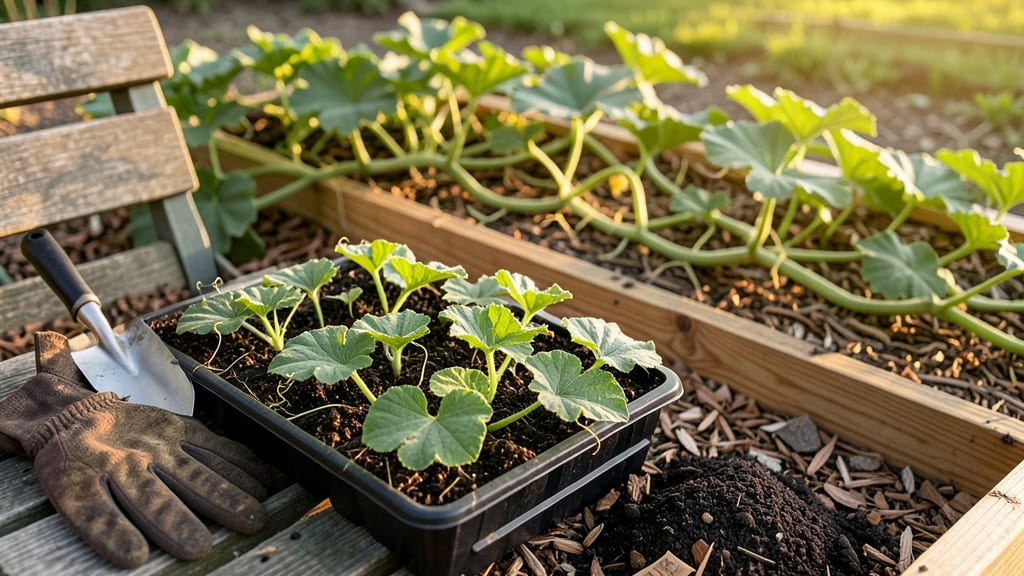
Planting watermelon in Kentucky after the last frost date — typically mid-April to early June — is the key to avoiding frost damage and ensuring a sweet harvest.
You’ve probably heard that Kentucky’s summers are perfect for watermelons, but getting the timing right isn’t just about avoiding frost. It’s also about soil warmth: watermelon seeds need soil at least 70°F to germinate, and cool, damp soil can leave you staring at empty rows for weeks.
In zones 6a-7a, where most of Kentucky falls, the average last frost date is around April 15, but microclimates near Louisville or Lexington can shift that window by a week or more.
That’s why I’ll break down the exact dates by region and share tricks to extend your season—like using black plastic mulch to warm the soil faster.
Once you’ve got the timing right, we’ll cover the best varieties for Kentucky’s heat and humidity, how to tell when your melons are truly ripe (it’s not just about color!), and the one fertilization mistake that kills yields before they even start.
Kentucky’s frost-free dates by zone: the best time to plant watermelon seeds
Kentucky’s USDA hardiness zones 5a-7a create perfect conditions for watermelon cultivation, but timing your planting is critical. Watermelons thrive in warm soil (70°F+) and need 120-140 frost-free days to mature.
Plant too early, and late frosts will kill tender seedlings; too late, and your harvest won’t ripen before fall’s first frost.
Most of Kentucky falls within zones 6a-7a, with Louisville (zone 6b), Lexington (zone 6a), and Bowling Green (zone 7a) offering slightly different last frost dates. Understanding your local microclimate helps you choose between direct sowing (seeds planted outdoors) or transplanting (purchased seedlings).
Soil temperature is the #1 factor for success. Watermelon seeds won’t germinate below 70°F (21°C), and seedlings struggle in cool, wet soils. Use a soil thermometer to confirm readiness—waiting an extra week for warmer ground prevents rotting and ensures strong vines.
🌱 Kentucky Watermelon Planting Guide by Zone
| Zone | Avg. Last Frost | Safe Planting Window | Soil Temp. Requirement | Harvest Window |
|---|---|---|---|---|
| 5a (Northern KY) | April 20–May 5 | May 15–June 10 | 70°F+ (use black plastic mulch) | Late July–Early Sept |
| 6a (Lexington) | April 10–April 25 | April 30–May 15 | 70°F+ (soil thermometer check) | Early July–Mid-Sept |
| 6b (Louisville) | April 5–April 20 | April 25–May 10 | 70°F+ (transplants OK after May 1) | Late June–Late Aug |
| 7a (Bowling Green) | March 25–April 10 | April 15–April 30 | 70°F+ (earliest in KY) | June–Sept |
📌 Note: Use row covers or black plastic mulch to extend early planting in cooler zones.
For direct sowing, plant seeds 1 inch deep and 12 inches apart in hills (groups of 3 seeds). This method works best in zones 6b-7a after May 1, when soil is reliably warm. In zone 5a, wait until after May 15 to avoid late spring frosts.
If you prefer transplants, buy 4-inch seedlings from nurseries and set them out 2-3 weeks after your last frost date. Harden off seedlings by gradually exposing them to outdoor conditions for 7–10 days before transplanting.
This gives zone 6a gardeners a window from April 30–May 15 and zone 7a growers a chance to plant as early as April 15.
County-specific tips matter! In Louisville (zone 6b), aim for May 1 planting—earlier risks soil-borne diseases from lingering moisture. Lexington (zone 6a) gardeners should wait until May 10 to ensure soil warmth.
Meanwhile, Bowling Green (zone 7a) can start as early as April 15, thanks to its longer growing season.
Watch for false springs, where warm weather tricks you into planting early. Check your local almanac or use a frost calendar app to track historical frost dates.
For example, Northern Kentucky (zone 5a) has seen late frosts as late as May 10, so delay planting until May 15 to be safe.
Pro tip: Use black plastic mulch to warm soil 5–10°F faster than bare ground. Lay it down 2–3 weeks before planting to create a microclimate that speeds up germination. This trick lets zone 6a gardeners plant 1–2 weeks earlier without risking frost damage.
Finally, remember that watermelons need space. Vines spread 6–10 feet, so plan for trellises or large garden beds. In small spaces, choose
How to extend your Kentucky watermelon season for earlier or later harvests
Want to enjoy homegrown watermelons months earlier or later than usual? Kentucky’s variable spring frost dates and long summer heat create perfect opportunities to stretch your harvest.
By using simple techniques like row covers and black plastic mulch, you can safely plant 4-6 weeks earlier or even extend your season into late summer for a second crop.
The key is understanding how to protect young plants and warm cool soils—without risking transplant shock or fungal diseases.
Most Kentucky gardeners follow the mid-April to early June window, but with the right tools, you can push those dates.
For example, Lexington gardeners in Zone 6b might start seeds indoors in early March using a cold frame, while Bowling Green growers in Zone 7a could plant a late-season crop in mid-July for a September harvest.
The secret lies in soil temperature, plant protection, and companion planting—all of which I’ll break down step by step.
-
1. Use Black Plastic Mulch
Lay black plastic mulch 2-3 weeks before planting to raise soil temps by 10-15°F. Ideal for early spring or late summer plantings. -
2. Start with Row Covers
Lightweight frost cloth (30-40g) lets 60-70% light through while protecting seedlings from light frosts (28°F). -
3. Try a Cold Frame
For Zone 6a, sow seeds in early March under a cold frame—transplant when soil hits 70°F. -
4. Plant Near Corn or Radishes
Companion plants like corn improve soil warmth, while radishes deter pests—ideal for edge-of-season plantings. -
5. Use Drip Irrigation
Consistent moisture prevents transplant shock when pushing early or late plantings.
One common mistake Kentucky gardeners make is rushing to plant too early in cool soils. Watermelon seeds won’t germinate below 70°F, and even if they sprout, the seedlings will stunt or rot.
To avoid this, use a soil thermometer and wait until the top 2 inches consistently read 75°F+. In northern Kentucky (Zone 6a), this often means waiting until late May for direct sowing, while southern Kentucky (Zone 7a) can start as early as mid-April.
For later harvests, focus on heat-tolerant varieties like ‘Crimson Sweet’ and use shade cloth (30%) to protect fruit from sun scald during Kentucky’s humid August afternoons. Plant in early July for a September-October harvest, but be prepared to mulch heavily to retain moisture.
I’ve had success with this method in Bowling Green, where the longer daylight hours in late summer actually speed up ripening.
Another trick I swear by is successive planting. Instead of one big batch, sow half your seeds in early May and the other half in late June. This ensures a staggered harvest from July through September, reducing waste and keeping your family in watermelons all summer.
Just remember: late plantings need extra care—they’re more vulnerable to powdery mildew in Kentucky’s humid climate, so space vines widely (6-8 feet apart) for airflow.
If you’re experimenting with container growing, opt for 5-gallon buckets and use black-painted fabric to wrap the sides—this mimics black plastic mulch and warms the roots faster. Place containers on patios or decks where they’ll get full sun and move them indoors if a light frost is forecasted.
With this method, I’ve grown ‘Sugar Baby’ watermelons in Louisville balconies as late as mid-July!