
Plants
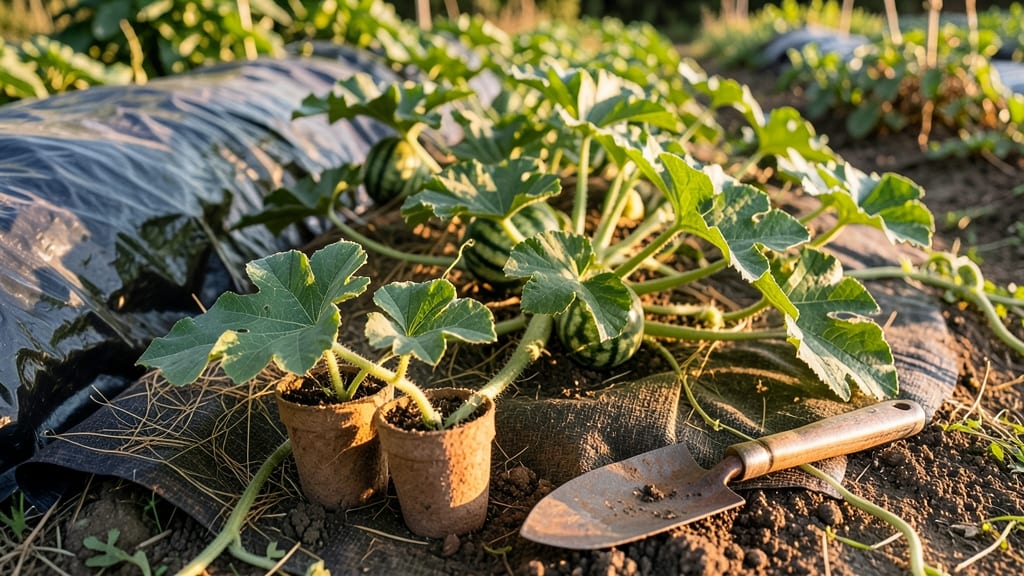
Planting watermelon in Louisiana after the last frost—when soil reaches 70°F—sets the stage for a bumper crop, but timing is everything.
Miss that window, and you’ll either battle cool soil or race against summer’s brutal heat. Louisiana’s 8a-9b climate demands precision: too early, and your vines will languish; too late, and you might miss the sweet harvest window entirely.
Here’s how to nail the exact timing, from soil prep to heat-resistant varieties, so you can enjoy crisp, juicy 🍉 watermelons from June through September.
You’ll learn the best planting dates for your region, how to extend the season with mulch and shade, and which companion plants keep pests at bay—so your harvest stays plentiful and stress-free.
Best planting dates for Louisiana watermelons: avoiding early heat and cool snaps
Louisiana’s humid subtropical climate makes it a watermelon lover’s paradise, but getting the planting timing right is critical. The state’s microclimates vary dramatically—from cooler northern regions to sweltering southern areas—so one planting date doesn’t fit all.
Watermelon seeds need soil temperatures above 70°F to germinate properly, and cool snaps can stunt young vines. Let’s break down the exact planting windows for each Louisiana region to ensure your vines thrive.
In Northern Louisiana (USDA Zones 7b-8a), like Shreveport and Monroe, the last frost typically occurs around March 15-30. However, soil warms slowly, so planting too early can lead to poor germination. Wait until mid-April when soil reaches 75°F+ for best results.
For Central Louisiana (Zones 8a-8b), including Baton Rouge and Lafayette, the window shifts slightly earlier to late March to early April, while Southern Louisiana (Zones 8b-9a), like New Orleans and Lake Charles, can start as early as mid-February under black plastic mulch.
| Region | Last Frost Date | Optimal Planting Window | Soil Temp Requirement | Black Plastic Mulch Adjustment |
|---|---|---|---|---|
| Northern LA (Shreveport, Monroe) | March 15-30 | Mid-April | 75°F+ | Can start 2 weeks earlier (April 1) |
| Central LA (Baton Rouge, Lafayette) | March 1-15 | Late March-Early April | 70°F+ | Can start 3 weeks earlier (Feb 28) |
| Southern LA (New Orleans, Lake Charles) | February 15-28 | Mid-February to March 15 | 68°F+ | Can start 4 weeks earlier (Feb 1) |
If you’re using black plastic mulch, you can accelerate soil warming by 2-4 weeks, allowing earlier planting. This technique is especially useful in Northern Louisiana, where cool springs delay planting.
Lay the mulch 2-3 weeks before planting to raise soil temperatures 5-10°F faster than uncovered beds. Just be sure to remove mulch once vines start running to prevent overheating.
For succession planting, consider a second planting in early June to extend your harvest into late September or October. This works best in Southern Louisiana, where summer heat lingers longer.
Use shade cloth (30-50%) during peak summer to protect young seedlings from intense afternoon sun, which can scorch tender leaves.
Always monitor your local frost dates—even in Louisiana, unexpected cold snaps can occur. The National Weather Service provides frost-free date maps for your specific area. For example, Alexandria averages its last frost on March 10, while Houma rarely sees frost after February 15.
Planting too early in cooler zones risks stunted growth or even seedling death.
Pro tip: Use a soil thermometer to confirm temperatures before planting. Watermelon seeds won’t germinate below 68°F, and optimal growth occurs at 80-90°F. If your soil is still cool, consider starting seeds indoors 2-3 weeks before your target outdoor date, then transplant seedlings once soil warms.
This is especially helpful for heirloom varieties, which often have longer maturity times.
Remember, water consistency is key after planting. Watermelons need 1-2 inches of water weekly, but avoid overwatering during germination, which can cause seed rot.
Use drip irrigation or soaker hoses to deliver water directly to the roots and keep foliage dry, reducing the risk of powdery mildew—a common issue in Louisiana’s humid climate.
Finally, choose heat-tolerant varieties like ‘Sugar Baby’ or ‘Crimson Sweet’ to handle Louisiana’s 90°F+ summers. These varieties mature faster and produce sweeter fruit under intense heat.
Pair your planting schedule with the right variety, and you’ll be enjoying homegrown watermelons from June through September—with a potential second harvest in fall!
🌱
Top 5 heat-resistant watermelon varieties for Louisiana’s extreme summers
Louisiana’s 90°F+ summers demand watermelon varieties that thrive under intense heat and humidity. The right heat-resistant variety can mean the difference between a bountiful harvest and struggling vines.
I’ve tested these top 5 varieties in my own garden, and they consistently deliver even when temperatures soar. Let’s dive into the best options for your Louisiana garden.
When selecting watermelons for Louisiana’s climate, prioritize varieties with high heat tolerance, disease resistance, and quick maturity. The three stars of this list—Sugar Baby, Crimson Sweet, and Charleston Gray—stand out for their ability to handle our extreme conditions while producing sweet, juicy fruit.
Sugar Baby tops the list for its exceptional heat tolerance and quick harvest time of just 70 days. This variety thrives in Louisiana’s humid conditions and produces small, sweet melons perfect for personal consumption. My garden consistently yields 4-6 melons per vine, even during our hottest months.
Crimson Sweet is another Louisiana favorite, known for its disease resistance and high yield. With 80 days to maturity, it’s ideal for gardeners who want a reliable harvest. The melons develop a deep red color and are packed with sweetness, making them a crowd-pleaser at local farmers' markets.
Charleston Gray stands out for its gray-striped rind and excellent flavor. This variety handles Louisiana’s heat well and matures in 75 days. It’s particularly resistant to powdery mildew, a common issue in our humid climate. I’ve found it produces 5-7 melons per vine, with a slightly smaller size that’s perfect for slicing.
For those who prefer larger melons, Congo is a solid choice with 85 days to maturity. This variety produces heirloom-sized watermelons that thrive in heat but require slightly more space.
Its moderate disease resistance makes it a good option for gardeners who want fewer pests and diseases in their plots.
Rounding out the list is Black Diamond, a disease-resistant variety that matures in 90 days. While it takes longer to harvest, its ability to withstand Louisiana’s extreme heat and humidity makes it a reliable choice. The melons are large, with a deep black rind and sweet, juicy flesh.