
Plants
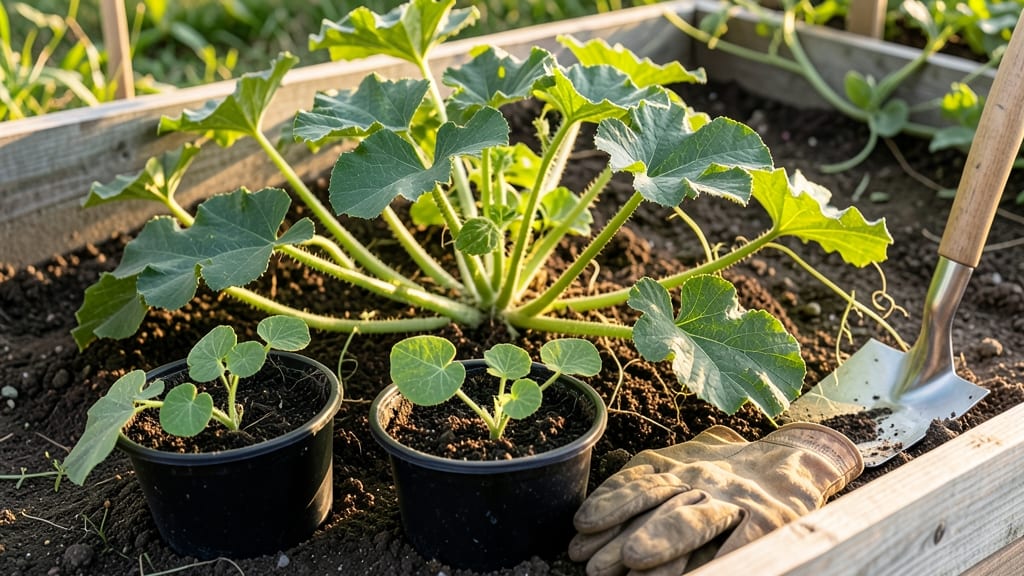
Planting watermelon in Maryland after the last frost — typically mid-April to early June — is your best bet for a juicy harvest before fall’s chill sets in.
Maryland’s warm summers are perfect for 🍉, but timing is everything. Plant too early, and frost will strike; too late, and your harvest won’t ripen before the first frost. Here’s your exact frost-free planting schedule to maximize sweet, vine-ripened success.
Most gardeners in Maryland’s USDA Zones 6b-7a wait until soil temperatures hit at least 70°F before sowing seeds directly outdoors. This usually aligns with late April or early May, depending on your region.
In this guide, you’ll discover the ideal planting windows, how to prep your soil for faster germination, and which watermelon varieties thrive in Maryland’s shorter growing season. Let’s get those vines spreading!
Maryland’s watermelon planting timeline: frost dates & soil temps
Timing your watermelon planting in Maryland means balancing last frost dates with soil temperatures—both are critical for germination and fruit development. The state’s USDA Zones 6b-7a offer a short but sweet window, typically mid-April to early June, depending on your region.
Miss this window, and you risk frost damage or unripe fruit before fall’s chill sets in.
Maryland’s three distinct regions—Baltimore, the Eastern Shore, and Western MD—each have slightly different frost-free dates. For example, Baltimore’s last frost usually lands around April 15, while the Eastern Shore may see frost as late as April 25.
Meanwhile, Western MD’s mountainous areas can experience frost until May 5. Always check your local frost-free date map for precision.
Soil temperature is just as important as air temperature. Watermelon seeds won’t germinate until the soil reaches at least 70°F (21°C). Use a soil thermometer to monitor—if it’s cooler, wait.
In Maryland, soil temps typically hit this threshold by late May in most areas, but black plastic mulch can warm the soil faster if you’re eager to plant earlier.
Here’s your region-specific planting timeline, including heat-unit calculations to estimate germination speed:
If you’re dealing with an early spring or late frost, consider starting watermelon seeds indoors 2-3 weeks before your region’s last frost date. Use biodegradable pots to avoid transplant shock, and harden off seedlings by exposing them to outdoor conditions for 1-2 hours daily over 7-10 days before planting.
For fastest germination, aim for 75-85°F soil temps. You can speed this up by planting in raised beds or using row covers to trap heat. If your soil is still cold, opt for fast-maturing varieties like ‘Sugar Baby’ (65-70 days to harvest) or ‘Crimson Sweet’ (75-85 days).
These varieties give you a buffer if your season feels short.
Adjust your planting date if you notice unusually warm or cool weather patterns. For example, if your area experiences a heatwave in April, you might plant as early as mid-April—just be ready to protect seedlings with frost cloth if nights dip below 50°F.
Conversely, if May stays cool, delay planting until soil temps stabilize.
Pro tip: Use a heat-unit calculator (available from local Cooperative Extension offices) to track your region’s progress. These tools estimate how many growing degree days your area has accumulated, helping you predict when your watermelons will be ready to harvest. Aim for 1,200-1,400 growing degree days for most varieties.
Finally, remember that Maryland’s humidity can slow germination. To combat this, keep seeds moist but not soggy, and avoid planting in low-lying areas where cold air pools.
Elevate beds or use black plastic mulch to improve drainage and warmth—this simple trick can make all the difference in a short growing season.
Step-by-step planting guide: from seed to first harvest
Maryland’s humid summers and short growing season demand precision when planting watermelons. Whether you’re starting seeds indoors or sowing directly, timing and technique are key to avoiding fungal diseases and ensuring sweet, ripe fruit.
I’ll walk you through every step—from seed to harvest—so you can grow vibrant, productive vines that thrive in Maryland’s climate.
Watermelons are warm-season crops, so they need soil temperatures above 70°F and no risk of frost. In Maryland, this typically means waiting until mid-May for direct sowing or transplanting 4-6 week-old seedlings by early June.
But don’t worry—we’ll cover how to harden off seedlings to survive Maryland’s high humidity without wilting.
🌱 Step-by-Step Watermelon Planting Guide
- Step 1: Start seeds indoors (optional) 4-6 weeks before last frost (early April). Use biodegradable pots and seed-starting mix to avoid transplant shock.
- Step 2: Hardening off seedlings 7-10 days before transplanting. Place them outside in partial shade for 2-3 hours daily, gradually increasing exposure.
- Step 3: Direct sow or transplant after soil reaches 70°F (use a soil thermometer). In Maryland, this is mid-May to early June for most regions.
- Step 4: Space plants 3-6 feet apart—watermelons need room for long vines (6-10 feet). Use black plastic mulch to warm soil and retain moisture.
- Step 5: Plant companion plants like basil, nasturtiums, or radishes to deter pests and improve flavor. Avoid planting near potatoes or squash (competes for nutrients).
- Step 6: Water deeply in the morning (1-2 inches per week) and avoid wetting leaves to prevent powdery mildew—a common issue in Maryland’s humidity.
- Step 7: Harvest when the tendril turns brown and the watermelon sounds hollow when tapped. Expect 75-90 days to maturity from transplanting.
If you’re direct sowing, plant 3-4 seeds per hill and thin to the strongest seedling once they’re 4 inches tall. This saves time and reduces transplant stress.
For Maryland’s shorter season, opt for smaller varieties like ‘Sugar Baby’ or ‘Crimson Sweet’—they mature faster and handle heat better than giant varieties.
One of my biggest mistakes was transplanting seedlings too early in cool, damp soil. The vines struggled to establish roots, leading to poor fruit set. Always check soil temperature with a thermometer—waiting an extra week for warmer conditions makes all the difference in Maryland’s unpredictable spring.
Once your watermelons start flowering, hand-pollinate if needed by transferring pollen with a small brush. Maryland’s humidity can reduce pollinator activity, so this extra step ensures better fruit development. Keep an eye out for cucumber beetles—they love watermelon vines and can spread disease.
With these steps, you’ll be slicing into juicy, homegrown watermelons by mid-summer—just in time for Maryland’s picnic season! 🍉