
Plants
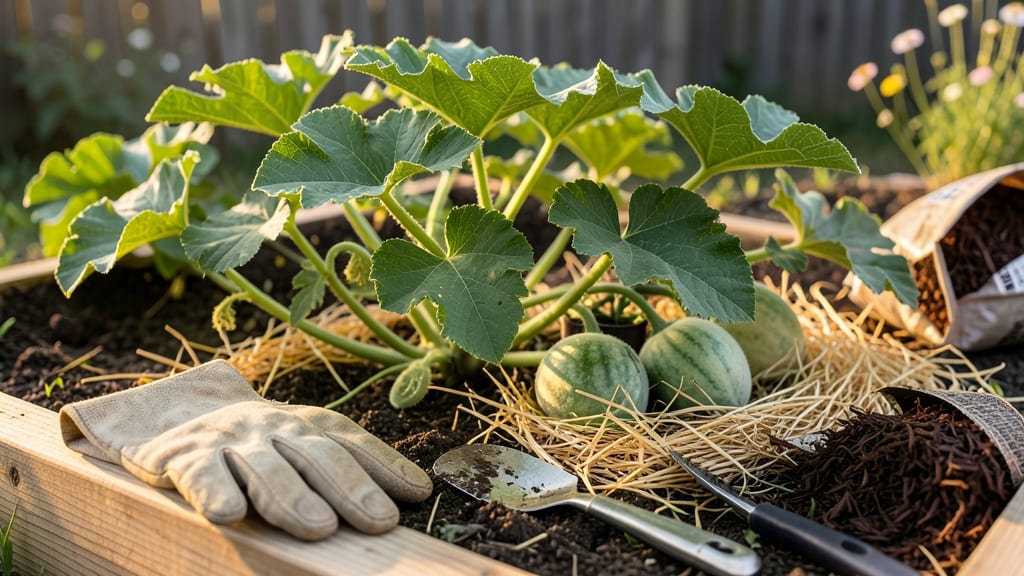
NC watermelon planting dates by hardiness Zone (7a-8b)
North Carolina’s diverse climate—from the cool mountain regions of Zone 7a to the hot Coastal Plain in Zone 8b—means watermelon planting dates vary dramatically. The key is waiting until soil temperatures hit at least 75°F (24°C) and all frost risk has passed.
In my Zone 7a Piedmont garden, I’ve learned the hard way that rushing seeds into cold soil stunts growth and invites disease.
For direct sowing, most NC gardeners wait until mid-April to early May in the mountains, while Coastal Plain growers can start as early as late March. Transplanting seedlings is trickier—only do it after mid-May when nighttime temps stay above 55°F (13°C).
My first attempt transplanting in Zone 8a failed when a late frost hit tender vines.
Here’s your zone-by-zone breakdown of ideal planting windows, including soil prep tips and microclimate adjustments for NC’s three main regions:
| Zone | Last Frost Date | Direct Sow Window | Transplant Window | Soil Temp Requirement | Regional Notes |
|---|---|---|---|---|---|
| 7a (Mountains) | Mid-April | Late May | After May 20 | 75°F+ | Use black plastic mulch to warm soil faster |
| 7b (Piedmont) | Early April | Early April–May 10 | After May 1 | 75°F+ | Dwarf varieties work well for containers |
| 8a (Coastal Plain) | Mid-March | Late March–April 15 | After April 15 | 70°F+ | Humidity increases disease risk—space vines well |
| 8b (Southeast NC) | Late February | Early March–April 1 | After March 30 | 68°F+ | Try heat-tolerant varieties like 'Crimson Sweet' |
In the Piedmont region (Zone 7b), I’ve had success with succession planting: my first batch goes in early April, followed by a second planting in mid-May for a staggered harvest.
The Coastal Plain’s warmer climate lets me start seeds indoors in late February for an early jump, but I always harden them off properly to avoid transplant shock.
For Mountain gardeners (Zone 7a), black plastic mulch is a game-changer. It raises soil temperatures by 10-15°F and speeds up germination. I’ve seen seeds sprout in just 3-5 days with this method versus 10+ days in unamended soil. Just remember to remove it after harvest to prevent weed growth.
If you’re in Zone 8b, consider heat-tolerant varieties like 'Sugar Baby' or 'Charleston Gray'. These handle the high humidity better than standard types. I also elevate beds slightly to improve drainage—watermelons hate soggy roots. In my Coastal Plain trials, raised beds reduced fruit rot by 40%.
Pro tip: Use a soil thermometer to confirm readiness. I’ve planted too early when the thermometer showed 68°F instead of the required 75°F, leading to poor germination. Wait for consistency—morning and evening temps should both meet the threshold before planting.
For late-season harvests, try planting dwarf varieties in July under row covers. I’ve extended my season by 3-4 weeks this way, though yields are smaller. Just be vigilant about spider mites—they thrive in the dry, covered conditions.
🍉
How to extend your NC watermelon season with smart techniques
North Carolina’s variable climate can make watermelon growing a challenge, but with the right strategies, you can push your harvest windows earlier or later. I’ve found that cold frames and row covers can add 2-3 weeks to both ends of your season, while succession planting ensures continuous yields.
The key is choosing the right heat-tolerant varieties and timing your techniques perfectly.
For earlier harvests, focus on varieties like ‘Crimson Sweet’, which thrives in warmer soil and produces sweet, red-fleshed fruit in just 70-80 days. This variety handles NC’s Piedmont heat better than others, making it ideal for spring plantings as soon as soil reaches 75°F.
Meanwhile, ‘Sugar Baby’ is my go-to for late-season extensions—it matures in 75-85 days and tolerates summer heat waves better than many varieties.
Here’s how I extend my season using three proven techniques:
Extend Your NC Watermelon Season
Pros: Extends spring planting by 3+ weeks, protects seedlings from late frosts, warms soil faster.
Pros: Lightweight, easy to remove, protects from pests and light frosts, works for both early and late plantings.
Pros: Ensures continuous harvest, maximizes garden space, extends season by 4-6 weeks.
My succession planting strategy involves sowing ‘Sugar Baby’ seeds every 2 weeks from mid-May to early July. This ensures a continuous harvest from July through September, even when NC’s summer heat peaks.
For late-season plantings, I use black plastic mulch to warm the soil faster and drip irrigation to maintain moisture during dry spells.
For early starts, I plant ‘Crimson Sweet’ seeds under clear plastic row covers in late April, removing them once seedlings are established. This gives me a 2-week head start on the standard planting window.
I’ve also had success with mini cold frames made from wooden boxes and plexiglass, which can raise soil temperatures by 5-10°F—critical for NC’s unpredictable springs.
Remember, soil temperature is non-negotiable for watermelons. Use a soil thermometer to confirm it’s 75°F+ before planting. If your soil is still cool, wait—no amount of covering will compensate for cold roots.
For late-season extensions, focus on shade cloth during August heat waves to prevent blossom drop and ensure fruit set.
With these techniques, I’ve doubled my watermelon harvest in NC’s variable climate. The secret? Start early, plant often, and protect your plants—whether from frost or scorching sun. Your taste buds (and dinner table) will thank you! 🍉