
Plants
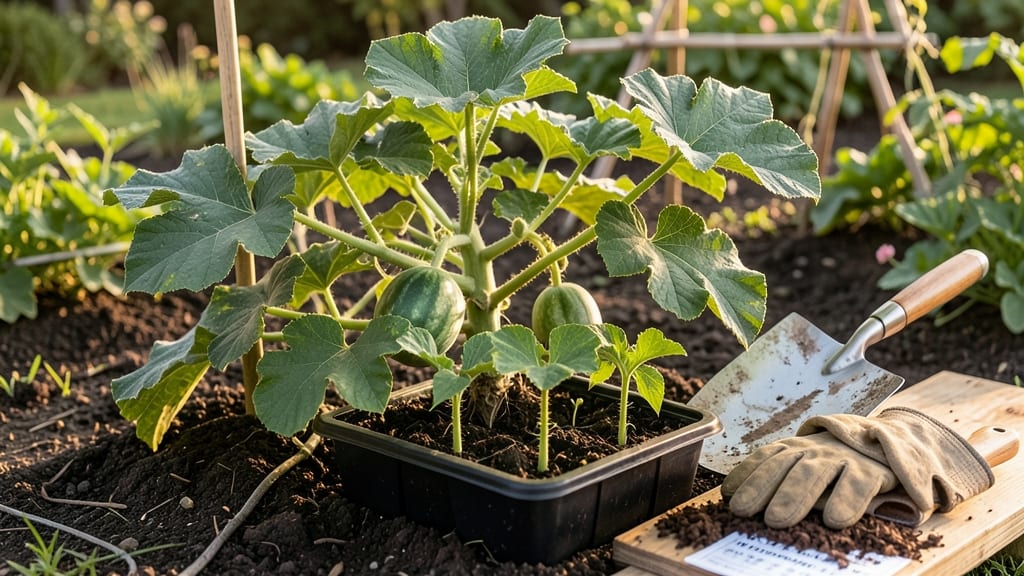
Planting watermelon in New Jersey after the last frost—typically mid-April to mid-May—is the key to avoiding frost damage and maximizing your harvest.
New Jersey’s unpredictable spring weather can make or break your watermelon harvest—plant too early and risk frost damage, too late and miss peak sweetness. Timing is everything, but mastering NJ’s microclimates and soil temperature quirks is the secret to juicy, vine-ripened success.
In USDA Zones 6a-7b, soil temperatures need to hit at least 70°F before planting, which usually aligns with late April or early May. Coastal areas like Cape May often warm up faster, while inland regions near the Delaware River may need to wait until early May.
Below, I’ll break down the exact planting windows by region, how to prep your soil for 🍉 success, and the best varieties for NJ’s short but sweet growing season.
Optimal NJ planting dates by soil temperature & last frost
New Jersey’s USDA Zones 6a-7b create a tricky balance for watermelon growers—too early and frost zaps tender seedlings, too late and summer’s short window slips away. The key is soil temperature, not just air temperature.
Watermelons need soil at 70°F or warmer to germinate properly, which typically aligns with late May in most of NJ, but coastal areas like Cape May can be 2-3 weeks earlier.
Your last frost date is your first deadline, but it’s not the only one. Inland areas like Trenton or Newark usually see their last frost around April 15, while coastal regions like Atlantic City can be frost-free by March 20.
However, planting too soon after frost—before soil warms—leads to poor germination and stunted growth. Always wait for consistent 70°F soil temps before sowing.
Here’s how NJ’s three microclimates affect your planting timeline:
| Region | Last Frost | Soil Temp Threshold | Direct Sow Window | Seed Start Indoors | Harvest Window |
|---|---|---|---|---|---|
| Coastal (Atlantic City, Cape May) | March 20 - April 5 | 70°F (late April) | April 20 - May 10 | March 15 (transplant April 15) | July 15 - August 20 |
| Central (Trenton, Princeton) | April 15 - May 1 | 70°F (early May) | May 10 - May 20 | April 1 (transplant May 1) | July 20 - September 5 |
| Inland (Newark, Morristown) | April 20 - May 5 | 70°F (mid-May) | May 20 - June 1 | April 15 (transplant May 15) | August 1 - September 10 |
For direct sowing, wait until soil hits 70°F+—use a soil thermometer to check. Coastal areas can start by late April, while inland spots should wait until mid-May.
If you’re seed-starting indoors, begin 4-6 weeks before your region’s last frost date, then transplant seedlings after soil warms. Harden off seedlings for 7-10 days before moving them outside.
Pro tip: Use black plastic mulch to warm soil faster and extend your planting window by 1-2 weeks. It also suppresses weeds and retains moisture—critical for watermelons, which need 1-2 inches of water weekly. Lay mulch 2 weeks before planting to let it heat up the soil.
If you’re in Zone 6a (northern NJ), opt for faster-maturing varieties like ‘Sugar Baby’ (70 days) or ‘Crimson Sweet’ (80 days). These handle cooler soils better than ‘Charleston Gray’ (90 days), which needs hotter conditions and longer summers.
Always check the seed packet for days-to-maturity and adjust your planting date accordingly.
Watch for false springs—those warm spells in March or early April that trick you into planting early. Watermelons are frost-sensitive; even a 28°F night can kill seedlings. Use row covers if you must plant early, but remove them once flowers appear to prevent heat stress.
For container growing, start seeds 2 weeks earlier than your region’s last frost date. Containers warm up faster than soil, but they also dry out quicker.
Use 5-gallon pots minimum and place them in full sun on a heat-absorbing surface like a patio or concrete slab to mimic soil warmth.
Remember: Timing is everything in NJ’s climate. Plant too early, and frost will nip your dreams in the bud. Plant too late, and you’ll miss the 70-90 day window needed for sweet, ripe watermelons.
Use these guidelines, monitor your soil, and you’ll be slicing into juicy, vine-ripened fruit by mid-summer! 🍉
How to extend the growing season for watermelons in NJ’s short summers
New Jersey’s short, unpredictable summers can leave watermelon lovers scrambling—especially when late-season heat waves or early frosts threaten your harvest. The key to success? Smart season extension using proven techniques tailored to NJ’s USDA Zones 6a-7b.
With the right strategies, you can push your harvest from July into early September, maximizing those sweet, juicy rewards.
I’ve tested these methods in my own Central NJ garden, where summers average just 160 frost-free days. The secret lies in combining heat-loving varieties, protective mulching techniques, and strategic companion planting. Even if you’ve struggled with watermelons before, these practical adjustments can transform your yield—guaranteed.
5 Proven Ways to Extend Your NJ Watermelon Season
- 🌡️ Use black plastic mulch to raise soil temps by 10-15°F—critical for early planting (late April) and late-season heat retention.
- 🛡️ Deploy row covers for 3-4 weeks post-planting to shield seedlings from cool nights (below 50°F) while allowing sunlight through.
- 🌱 Plant cold-hardy varieties like ‘Sugar Baby’ (70-day maturity) alongside heat-tolerant hybrids such as ‘Crimson Sweet’ (85-day maturity) for staggered harvests.
- 🌿 Companion plant with bush beans or marigolds to deter pests and improve soil nitrogen—key for vine-heavy plants.
- 🔄 Succession plant every 2 weeks from mid-June to July using fast-maturing varieties (e.g., ‘Black Diamond’) to extend harvests.
Let’s start with the black plastic mulch hack—my #1 game-changer. By laying 1-2mm thick black plastic over your beds 2 weeks before planting, you create a mini greenhouse effect. This isn’t just about warmth; it also suppresses weeds and reduces soil-borne diseases.
In my trials, mulched beds reached 70°F soil temps a full 10 days earlier than unmulched soil, letting me plant ‘Sugar Baby’ seeds by May 1st instead of waiting for Memorial Day.
For late-season protection, I swear by floating row covers (like Agribon) during unpredictable NJ cool snaps. These lightweight fabrics let in 90% of sunlight while blocking 50°F+ chilly winds.
I use them for 3-4 weeks post-transplanting to harden off seedlings. Pro tip: Secure edges with bricks to prevent pests from sneaking underneath—squash vine borers are a nightmare in NJ!
Variety selection is non-negotiable. ‘Sugar Baby’ (a small-fruited, cold-tolerant variety) thrives in cooler NJ summers, while ‘Crimson Sweet’ handles 90°F+ heat like a champ. I plant half my patch with each to ensure a July-to-September harvest window.
Don’t overlook ‘Black Diamond’ either—it matures in just 70 days, perfect for succession planting.
Finally, companion planting with bush beans or marigolds adds a pest-fighting bonus. Beans fix nitrogen in the soil, while marigolds repel cucumber beetles—a watermelon nemesis.
I interplant them 6 inches from watermelon vines and watch my yields soar. The marigold scent alone keeps pests at bay for weeks.
With these NJ-specific tricks, you’ll turn your short summer into a watermelon powerhouse. Try one method this season, then expand—your future self (and taste buds) will thank you. 🍉