
Plants
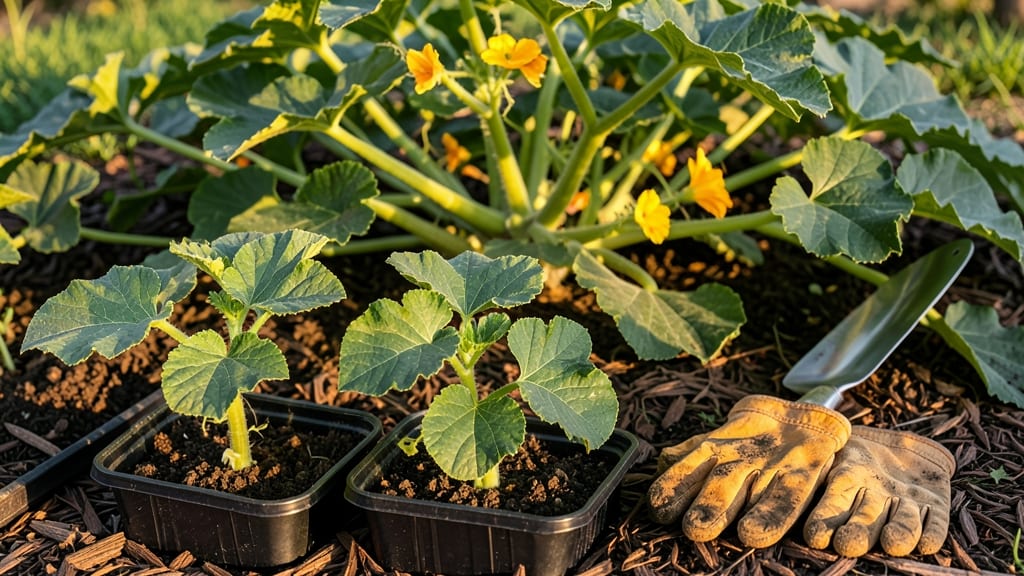
To plant watermelon in North Florida, aim for mid-March to early May after the last frost has passed—this window ensures your 🍉 thrives in the warm, humid climate before summer’s peak heat arrives.
Picture this: you’ve spent weeks nurturing seedlings, only to watch them wilt under a late frost or bolt in the heat. North Florida’s 8a-9a zones demand precision—plant too early, and your vines struggle; too late, and you miss the sweet harvest window between June and September.
Here’s the game-changer: soil temperature matters more than calendar dates. Wait until the ground hits at least 70°F, and use black plastic mulch or row covers to extend the season if needed. These tricks let you start seeds indoors in February for a head start.
In this guide, I’ll break down the exact dates by variety, microclimate adjustments for Jacksonville, Gainesville, and Tallahassee, and the 3 mistakes that ruin harvests—so you can grow watermelons like a pro.
North Florida watermelon planting calendar: exact dates by variety type
North Florida’s USDA Zones 8a-9a offer a 240-day frost-free window—perfect for watermelons if you time it right. The key is planting after the last frost date (typically mid-March in Jacksonville, slightly later in Tallahassee) and avoiding the peak summer heat that can stress young plants.
For bush varieties, you’ll want a shorter growing season, while vining types need more time to sprawl and produce fruit.
Start with soil temperatures at 70°F or higher—this is non-negotiable for watermelon germination. Use a soil thermometer to check, especially in Gainesville’s cooler inland areas. Coastal Jacksonville stays warmer longer, giving you a 2-week head start compared to Tallahassee’s inland microclimate.
Here’s your North Florida watermelon planting calendar, broken down by variety type and region:
| Variety Type | Seed Starting Indoors | Outdoor Transplant Date | Harvest Window | Notes for North Florida |
|---|---|---|---|---|
| Bush Varieties (e.g., 'Sugar Baby', 'Black Diamond') | Late February - Early March | Mid-April to Early May | June to Early August | Compact vines (3-5 ft spread); ideal for small gardens or containers. |
| Semi-Dwarf Varieties (e.g., 'Crimson Sweet', 'Jubilee') | Early March | Late March to Mid-April | Late June to September | Vines spread 6-10 ft; trellis to save space. |
| Standard Vining Varieties (e.g., 'Charleston Gray', 'Moon and Stars') | Mid-March | Early April | July to Mid-September | Vines spread 10-20 ft; plant near fences or use trellises. |
| Heat-Tolerant Late Varieties (e.g., 'Crimson No. 9', 'Calhoun Gray') | Early April | Late April to Early May | August to October | Best for Tallahassee’s hotter inland summers; avoid Jacksonville’s humidity. |
For Jacksonville’s coastal climate, you can push transplant dates 1-2 weeks earlier thanks to warmer soils.
In Gainesville’s inland area, wait until soil temps hit 75°F—use black plastic mulch to warm the ground faster. Tallahassee’s microclimate demands patience; delay planting until after May 1 to avoid early summer’s brutal heat.
If you’re seed-starting indoors, give yourself a 3-4 week head start before transplanting.
Use biodegradable pots to avoid root disturbance, and harden off seedlings for 7-10 days before moving them outside. Direct sowing is also effective in North Florida—just wait until mid-April for most regions to ensure no frost risk.
Pro tip: Use row covers for early plantings in Gainesville or Tallahassee to protect young vines from late spring frosts (which can still occur in April). Remove covers once flowers appear to prevent heat stress.
For container growing, choose bush varieties and plant in 5-gallon pots with drainage holes—place them in full sun and water daily during summer.
Timing your second planting is crucial for a fall harvest. In Jacksonville, sow heat-tolerant seeds in early June for an August-September crop. Inland areas like Gainesville can try late June plantings, but monitor humidity levels—high moisture increases powdery mildew risk.
Always space vines 3-6 feet apart to prevent disease and improve airflow.
Remember: Watermelons need heat to sweeten. Plant too early, and your fruit will be underripe and bland. Aim for 75-90°F soil temps during fruiting—this is when sugar development peaks.
Use a shade cloth (30%) during peak summer afternoons (1 PM - 4 PM) to protect vines from sun scorch while still ensuring full sun exposure.
🍉
How to adjust planting dates for North Florida’s microclimates
North Florida’s microclimates can shift planting windows by weeks, especially between cities like Jacksonville and Tallahassee. Coastal areas stay warmer longer, while inland zones face earlier heat waves. To adapt, I track soil temperatures (aim for 70°F+) and adjust schedules based on local rainfall patterns.
For example, Gainesville’s drier climate may need earlier watering adjustments compared to Jacksonville’s humidity.
Heat waves can stress young seedlings, so I use black plastic mulch to warm soil faster and row covers for late transplants. These tools let me push planting dates 2-3 weeks later than standard calendars suggest.
For watermelons, this means starting seeds indoors by late February for a May transplant—even if the average last frost is mid-March.
Rainfall also plays a role—too much moisture early on can delay germination, while dry spells may require supplemental irrigation. I monitor NOAA forecasts for North Florida and adjust my schedule if unusual rainfall is predicted.
For instance, if April shows above-average rain, I delay outdoor planting until May to avoid waterlogged soil.
For late-season harvests, I’ve had success with succession planting in July for fast-maturing varieties like Bush Champion. These can produce fruit before the first frost in Mid-November. Pair this with straw mulch to insulate roots and extend the growing season by 3-4 weeks.
Finally, local nurseries are a goldmine for microclimate insights. Ask about neighboring gardeners’ success—their adjustments (like planting dates or mulch types) often reveal hidden regional patterns. For example, a nursery in Orange Park might recommend earlier planting due to its warmer microclimate compared to nearby St. Augustine.
By combining soil temperature data, weather forecasts, and local expertise, I’ve extended my watermelon season from June to September—even in North Florida’s unpredictable climate. The key is flexibility: stay 2 weeks ahead of the calendar and adapt in real time. 🌱☀️💧