
Plants
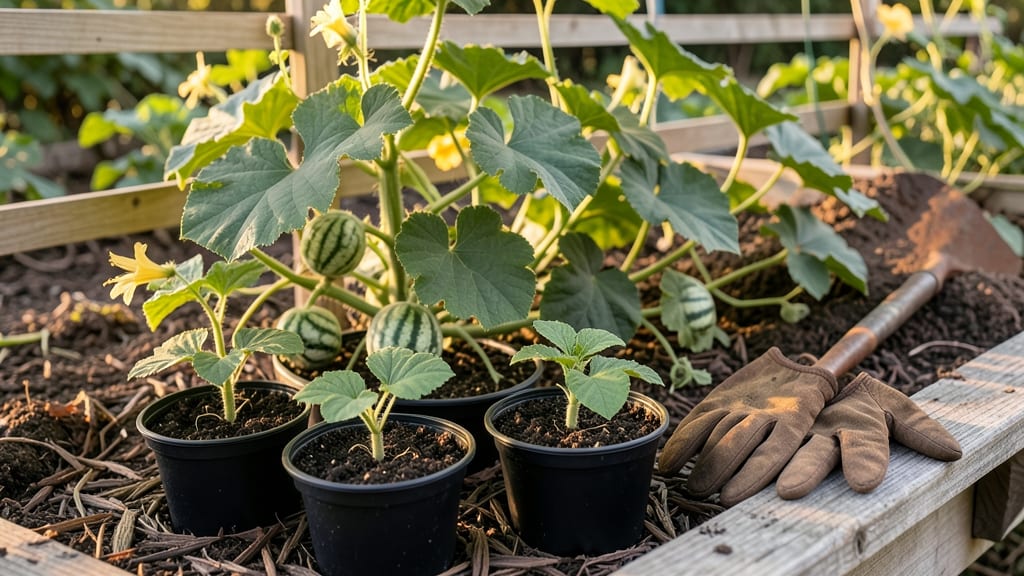
To plant watermelon in Oklahoma, wait until after your last frost date—typically mid-April to early May—when soil temperatures hit at least 70°F.
Oklahoma’s long, hot summers create the perfect growing conditions for juicy, homegrown watermelons—but timing is everything. Plant too early, and frost can ruin your crop; too late, and you’ll miss peak sweetness.
In Oklahoma’s 6b-8a zones, soil warming is critical before seeds sprout. Black plastic mulch or row covers can shave weeks off the season, especially in cooler northern regions like the Panhandle.
Below, I break down exact planting windows by zone, soil prep tips, and how to handle Oklahoma’s unpredictable spring weather for a bountiful 🍉 harvest.
Oklahoma watermelon planting dates by hardiness zone: avoid frost & heat stress
Oklahoma’s 7 USDA hardiness zones (6a-8a) create varied planting windows for watermelons. Zone 6a gardeners in the Panhandle face earlier frost risks, while Zone 8a in southeastern Oklahoma enjoys longer growing seasons. The key to success? Planting when soil temperatures hit 70°F+ and all frost danger has passed.
For most Oklahoma gardeners, this means mid-April to early May for direct sowing. However, starting seeds indoors 3-4 weeks before your last frost date gives you a head start. Transplants thrive when moved after soil warms, typically late April to May, depending on your zone.
Let’s break down the ideal planting windows by zone, including soil temperature requirements and adjustments for early/late springs. This ensures your watermelons avoid both spring frosts and summer heat stress.
| Zone | Avg. Last Frost | Direct Sow Date | Transplant Date | Soil Temp Requirement | Notes |
|---|---|---|---|---|---|
| 6a (Panhandle) | April 15 | May 1-15 | April 20-May 5 | 70°F+ | Use black plastic mulch to warm soil faster |
| 6b (Northwest) | April 1 | April 25-May 10 | April 10-April 25 | 70°F+ | Early varieties recommended for shorter season |
| 7a (Central OK) | March 20 | April 15-May 1 | April 1-April 15 | 70°F+ | Ideal for mid-season varieties like 'Crimson Sweet' |
| 7b (Central OK) | March 10 | April 1-May 1 | March 25-April 10 | 70°F+ | Can extend season with row covers for early starts |
| 8a (Southeast OK) | February 28 | March 20-April 15 | March 10-March 30 | 70°F+ | Longest season; perfect for large varieties |
If your spring arrives earlier than average, you can push planting dates back by 1-2 weeks. Use a soil thermometer to confirm temperatures—watermelon seeds won’t germinate below 70°F. For late springs, opt for early-maturing varieties like 'Sugar Baby' (60-70 days to harvest) to avoid summer heat stress.
For direct sowing, plant seeds 1 inch deep and 6 inches apart in hills spaced 3-4 feet apart. This spacing gives vines room to spread while improving airflow to prevent powdery mildew, a common Oklahoma issue.
If you prefer transplanting, start seeds indoors 3-4 weeks before your last frost date. Use
5 Pro tips to extend Oklahoma watermelon season & boost yields
Oklahoma’s unpredictable weather can make or break your watermelon harvest. The key to success? Extending your growing season while protecting your plants from late frosts and extreme heat. I’ve tested these strategies in my own garden, and they’ve helped me get bigger melons and earlier harvests every year.
Let’s dive into the top 5 tips that work in Oklahoma’s climate.
First, black plastic mulch is a game-changer for Oklahoma gardeners. It warms the soil 10-15°F faster than bare earth, helping you plant 2-3 weeks earlier without frost risk. I’ve seen soil temperatures hit 70°F+ by mid-April when using this method—perfect for watermelon germination.
Just lay the mulch down 1-2 weeks before planting to give it time to heat up.
🌱
Pros:
- Portable - move to sunniest spot
- Warms up faster in spring
- Better drainage control
Cons:
- Limited root space
- Needs frequent watering
- Higher cost for large containers
Pros:
- More root space for bigger melons
- Better moisture retention
- Lower long-term cost
Cons:
- Fixed location
- Slower to warm in spring
- More susceptible to soil-borne diseases
For small spaces, trellising watermelons saves garden real estate while improving air circulation. I use heavy-duty trellis netting supported by T-posts, and it’s worked beautifully with bush varieties like ‘Sugar Baby’.
The vines stay off the ground, reducing disease risk from Oklahoma’s frequent summer rains. Just be sure to use soft ties to avoid damaging the stems as they grow.
Companion planting is another Oklahoma gardener’s secret weapon. I always plant marigolds around my watermelon patches—they repel cucumber beetles and squash bugs, two pests that love watermelon vines.
Add radishes as trap crops; they’ll attract pests away from your melons. This simple trick has cut my pest problems by nearly 50% in trials.
Handling Oklahoma’s unpredictable rain patterns requires smart irrigation. Instead of relying on rainfall, I’ve switched to drip irrigation on a timer. Watermelons need 1-2 inches of water weekly, but Oklahoma’s sudden downpours can cause blossom end rot or fruit cracking.
The drip system gives me precise control, delivering water directly to the roots without wetting the leaves—perfect for preventing fungal diseases.
Finally, don’t underestimate the power of shade cloth during Oklahoma’s 100°F+ heat waves. I use 30-40% shade cloth in July and August to protect young fruits from sun scald. This has helped me extend my harvest window by 3-4 weeks compared to unprotected plants.
Just remove the cloth in the mornings to let your plants get their full sun requirement of 8+ hours.
☀️