
Plants
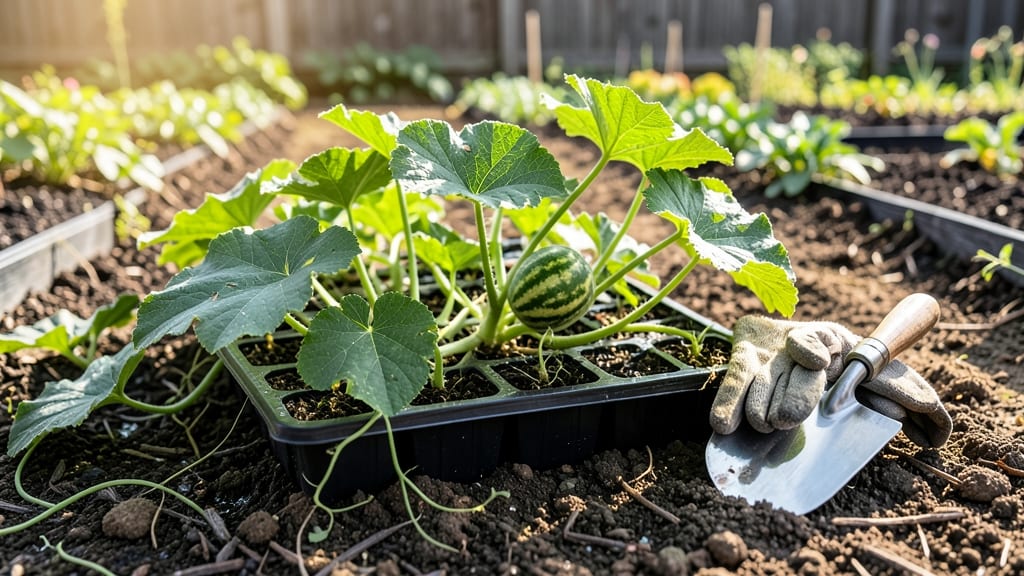
To plant watermelon in Pennsylvania, aim for mid-May to early June after your last frost date — timing this right is the difference between a bumper crop and a sad, wilted vine.
Pennsylvania’s diverse climate can make or break your watermelon harvest — plant too early, and frost will strike; too late, and your vines won’t ripen before summer’s end. Timing is everything, and the right schedule depends on your hardiness zone.
Most of the state falls in USDA zones 5b-7a, where soil must warm to at least 70°F before seeds sprout. That means waiting until late May in northern PA or early May in the south, but black plastic mulch can shave weeks off that wait.
Below, I’ll break down the exact frost-free windows by zone, how to prep your soil for faster germination, and the one trick that extends your harvest by 2-3 weeks — no matter where you garden in the Keystone State.
Pennsylvania watermelon planting dates by hardiness zone (2024 guide)
Pennsylvania’s diverse climate means your watermelon planting dates can vary dramatically between USDA Zones 4-7. In colder northern zones like Zone 4b, you’ll need to wait until late May, while Zone 7a gardeners can start as early as mid-April with protection.
The key is planting after your last frost date and when soil temperatures hit 70°F+—watermelons won’t germinate in cold soil.
For direct sowing, wait until all danger of frost has passed and nighttime temperatures stay above 55°F. If you’re using transplants, start them indoors 4-6 weeks before your last frost date.
Pennsylvania’s frost-free growing season typically runs from mid-April to mid-October, giving you a 165-day window for watermelon growth—just enough time for most varieties to mature.
Here’s your zone-by-zone breakdown of ideal planting windows, including soil temperature requirements and transplanting tips to maximize your harvest:
In Zone 4b, where frost lingers until mid-May, I recommend using black plastic mulch or row covers to warm the soil faster.
For Zone 7a, you can even try early April sowing with protection, but be prepared to cover seedlings if late frosts hit. Soil temperature is non-negotiable—watermelon seeds won’t sprout below 65°F, and growth slows dramatically in cooler conditions.
If you’re using transplants, harden them off for 7-10 days before moving
How to adjust planting for Pennsylvania’s microclimates (urban vs. rural tips)
Pennsylvania’s urban heat islands can push summer temperatures 5-10°F higher than rural areas, while rural zones often enjoy longer frost-free windows. These differences mean your watermelon planting strategy should shift based on whether you’re growing in Philadelphia’s city blocks or Lancaster County’s farmland.
The key is adapting to your local microclimate while leveraging tools like row covers or black plastic mulch to extend your growing season.
In urban gardens, concrete and asphalt absorb heat, creating warmer soil faster—but also shorter growing seasons due to earlier fall frosts. Rural areas, meanwhile, benefit from cooler nights and longer daylight hours, giving watermelons more time to mature.
For both environments, soil temperature (not air temperature) determines when to plant: aim for 70°F+ at a 4-inch depth. Use a soil thermometer to check before seeding.
🌱 Urban vs. Rural Watermelon Planting Adjustments
- Pro: Warmer soil in May (plant 2 weeks earlier)
- Pro: Black plastic mulch speeds up germination
- Con: Earlier fall frost limits harvest window
- Con: Pollution may reduce fruit quality
- Pro: Longer growing season (+4-6 weeks)
- Pro: Cooler nights improve fruit sweetness
- Con: Soil stays cooler longer (delay planting)
- Con: Wind may damage vines without protection
For urban gardeners, start seeds indoors 4-6 weeks before your last frost date (typically early April for Philadelphia). Transplant seedlings outdoors after Memorial Day when nighttime temperatures stay above 55°F.
In rural areas, you can often direct-sow seeds 2 weeks later (around mid-May) because cooler soils won’t bake young plants. Always choose fast-maturing varieties like ‘Sugar Baby’ (70 days) for cities or ‘Crimson Sweet’ (85 days) for rural plots.
Extend your harvest window by using black plastic mulch, which can raise soil temperatures by 5-10°F and speed up germination by 7-10 days. Lay the mulch 1-2 weeks before planting to let it warm up.
In urban areas, row covers can also protect young plants from late spring frosts (which can kill seedlings overnight). Remove covers once vines start flowering to avoid overheating.
Watch for microclimate clues in your area: if your neighbor’s garden ripened tomatoes earlier than yours, you’re likely in a warmer microclimate. Adjust your planting timeline accordingly—plant watermelons 1-2 weeks earlier in these spots.
Conversely, if your garden gets frosty later than surrounding areas, delay planting by 10-14 days to avoid early frost damage.
Finally, water management differs by microclimate: urban gardens may need more frequent watering due to heat absorption, while rural areas might require less frequent but deeper watering to prevent vine stress. Always water early in the morning to reduce fungal risks and maximize root growth.