
Plants
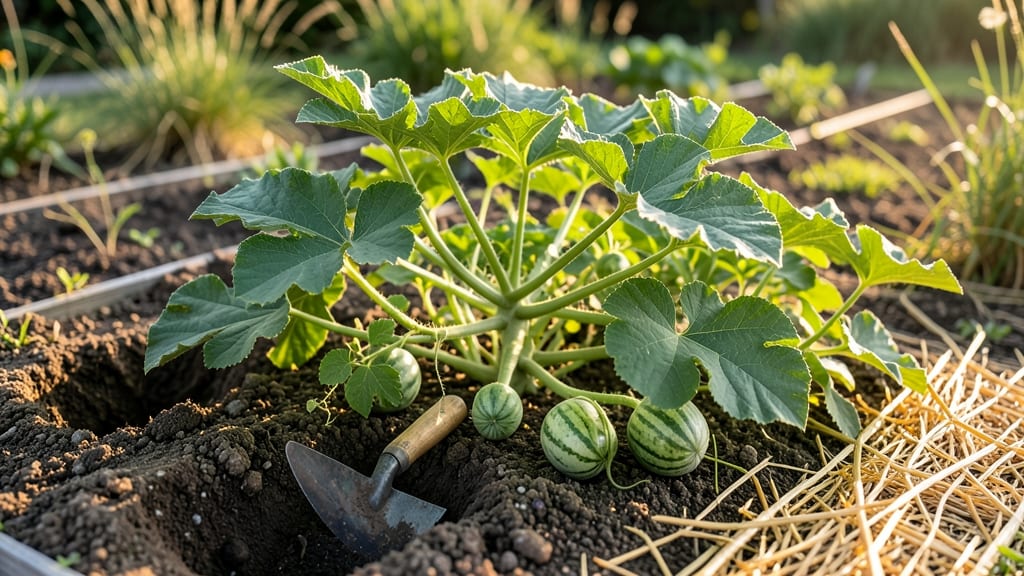
To plant watermelon in San Diego, aim for March to April when soil temperatures hit 70°F+—skipping this window risks stunted vines or heat stress before fruit sets.
Picture this: you’ve cleared the garden bed, seeds are ready, and then—unexpected heat flattens your seedlings before they even sprout. That’s why San Diego’s frost-free year-round climate still demands precision timing, not just wishful planting.
Here’s the game-changer: coastal areas can start a week earlier than inland zones, and soil temp matters more than calendar dates. I’ll walk you through the exact 70°F threshold, how to test it without fancy tools, and why September planting for fall harvests works too.
You’ll also discover the top 3 varieties that thrive in San Diego’s heat, companion plants that boost yields, and a 3-step soil prep trick to cut down on pests before they arrive.
San Diego watermelon planting calendar: frost-free dates & heat tolerance guide
San Diego’s frost-free year-round climate makes watermelon a fantastic choice, but timing still matters. Unlike northern climates, you won’t deal with frost, but soil temperature and heat zones dictate the perfect planting window.
Coastal areas stay cooler longer, while inland zones heat up faster—both require precise scheduling for optimal yields.
For spring planting, aim for March to early April when soil temps hit 70°F (21°C). This ensures strong germination before summer’s peak heat. Fall planting in late August to September can extend harvests into November, but watch for early heat spikes that stress young plants.
The coastal microclimate (e.g., La Jolla, Pacific Beach) allows for earlier starts in February, while inland areas (e.g., Escondido, Ramona) may need to wait until mid-April to avoid heat stress during germination. Use a soil thermometer to confirm readiness—this is non-negotiable for watermelons!
| Planting Window | Soil Temp Requirement | Coastal San Diego | Inland San Diego | Heat Risk |
|---|---|---|---|---|
| Spring Planting | 70°F+ (21°C+) | Feb 15 - Mar 15 | Mar 15 - Apr 15 | Low (cooler nights) |
| Fall Planting | 70°F+ (21°C+) | Aug 20 - Sep 10 | Sep 10 - Sep 30 | Moderate (early heat) |
| Harvest Window | N/A | June - August | June - September | High (summer heat) |
| Late Planting Risk | N/A | Smaller yields | Heat stress | Critical (fruit scorch) |
💡 Pro Tip: Use black plastic mulch to warm soil faster in cooler coastal areas.
Planting too early risks rot or poor germination in chilly coastal soils, while delaying can shrink harvests before summer’s end. Inland gardens face higher heat stress—start seeds indoors in February for a head start, then transplant after April 15 when soil is reliably warm.
Watermelons thrive in San Diego’s heat, but extended 90°F+ temps can cause blossom drop or poor fruit set. If planting in June or later, opt for heat-tolerant varieties like ‘Sugar Baby’ or use shade cloth during peak afternoon sun to protect young plants.
For coastal gardeners, February starts work well with row covers to protect seedlings from cool ocean breezes. Inland growers should avoid planting before April—soil temps below 70°F slow growth dramatically. Test your soil with a thermometer for 3-5 days to confirm readiness.
Watermelons need 6-8 hours of sun daily, but afternoon shade helps in July-August when temps exceed 95°F. Use drip irrigation to keep foliage dry and prevent powdery mildew, a common issue in humid inland valleys like Chula Vista.
If you miss the spring window, don’t despair—fall planting in August-September can yield harvests by November. Just ensure soil stays warm (use black plastic mulch) and water deeply to combat fall drought before rains return.
Remember: Watermelons hate cold soil. Even in San Diego’s mild climate, below 60°F soils stunt growth. Raise beds or use warm-season mulch to maintain ideal temps. With the right timing, you’ll enjoy juicy, homegrown watermelons from June through November!
3 Critical factors that determine your watermelon harvest success in San Diego
San Diego’s microclimates create unique challenges for watermelon growers. While coastal areas enjoy mild temperatures, inland zones can hit 100°F+ by summer. These extremes force you to balance soil warmth, water availability, and sunlight exposure—or risk stunted vines or bitter fruit.
Let’s break down the three non-negotiables for a thriving harvest.
The first factor is soil temperature, which must stay above 70°F for 24 hours before planting. Coastal areas hit this threshold by mid-March, while inland zones may wait until late April.
Cold soil delays germination, leaving your plants vulnerable to fungal diseases. Use a soil thermometer to avoid guesswork—this simple tool saves weeks of frustration.
Next, water needs vary wildly between coastal and inland plots. Traditional varieties like ‘Crimson Sweet’ demand 1-2 gallons daily during fruit set, but drought-resistant types like ‘Sugar Baby’ thrive with 50% less water.
Inland gardens need drip irrigation to prevent soil evaporation, while coastal growers can rely on morning watering to mimic natural dew cycles. Overwatering here causes root rot—a silent harvest killer.
Finally, sunlight exposure isn’t just about hours—it’s about intensity. Coastal watermelons get 6-8 hours of filtered sun, while inland plants bask in 10+ hours of direct UV.
Shade cloth (30-50%) protects inland vines from heat stress, but coastal plants need unobstructed southern exposure. Without this, your melons will stay small and seedy.
🌱 Coastal vs. Inland Watermelon Growing
Coastal Conditions
- ✅ Pros: Mild nights (60-70°F), higher humidity
- ✅ Pros: 6-8 sun hours with less UV stress
- ✅ Pros: Less water evaporation (3-4x/week)
- ❌ Cons: Slower vine growth (needs fertilizer boost)
- ❌ Cons: Higher fungal risk (water at morning only)
Inland Conditions
- ✅ Pros: Faster maturation (harvest in 70 days)
- ✅ Pros: 10+ sun hours (ideal for sweetness)
- ✅ Pros: Drought-tolerant varieties thrive here
- ❌ Cons: Heat stress risk (shade cloth needed)
- ❌ Cons: Daily watering required (or drip system)
💡 Pro Tip: Test your soil’s pH (6.0-7.0)—coastal areas often need lime, while inland soils may lack organic matter.
To maximize yields, pair drought-resistant varieties with mulch (straw or black plastic) to retain moisture. Inland gardens benefit from vertical trellising, which lifts vines away from scorching pavement heat.
Coastal growers should prioritize compost-rich soil to compensate for slower growth. Both regions share one rule: Never plant before May if night temps dip below 65°F—your seeds will rot.
Your harvest’s success hinges on these three pillars: soil warmth, water precision, and sunlight strategy. Master them, and you’ll turn San Diego’s climate into a watermelon powerhouse. Start with a small test patch to refine your approach—because in gardening, perfection is a season-long pursuit. 🌱