
Plants
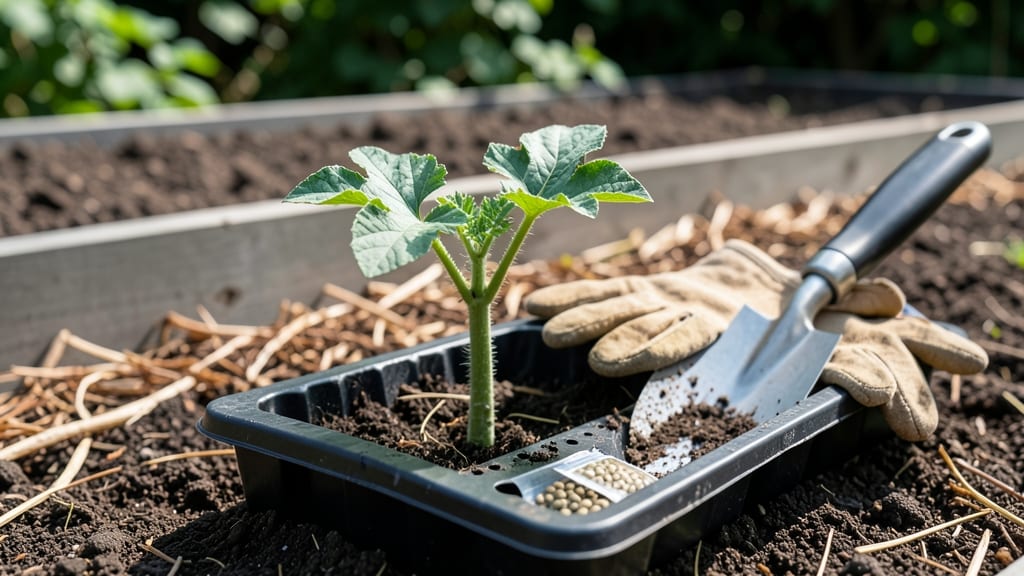
Planting watermelon in South Florida means timing your seeds for fast harvests before the heat peaks, not after—because those 70°F+ soil temps are your golden window.
South Florida’s scorching summers and unpredictable weather can make watermelon gardening tricky—but timing your planting right ensures sweet, juicy harvests before the heat peaks.
You can sow seeds year-round, but the ideal months are February through June, when soil temps stay warm and humidity isn’t overwhelming. Miss that window, and you risk vines struggling under July’s relentless sun.
Here’s how to pick the perfect planting dates, choose heat-tolerant varieties, and keep your 🍉 thriving in Florida’s subtropical climate—so you’re harvesting ripe fruit by summer’s end.
Best planting windows for watermelon in South Florida’s climate zones
South Florida’s USDA Zones 10a-11 offer a unique advantage: year-round growing potential for watermelon. However, the key to success lies in timing your plantings to avoid extreme heat stress or humidity-related diseases.
Unlike northern climates, we don’t worry about frost, but we do need to consider soil temperatures and regional microclimates that vary between coastal and inland areas.
The two optimal planting windows in South Florida are early spring (February-March) and late summer (August-September). These periods provide the perfect balance of warmth and rainfall while avoiding the peak summer heat that can stress young plants.
Coastal areas may have slightly cooler temperatures due to ocean breezes, while inland regions experience more intense heat.
Here’s how to adjust your planting schedule based on your specific location within South Florida:
| Planting Window | Ideal Soil Temperature | Coastal Adjustment | Inland Adjustment | Expected Harvest |
|---|---|---|---|---|
| Early Spring (Feb-Mar) | 70-75°F (21-24°C) | Plant 2-3 weeks earlier (Jan-Feb) | Wait until March-April | April-June |
| Late Summer (Aug-Sep) | 75-80°F (24-27°C) | Plant in September | Plant in August | October-November |
The early spring window (February-March) gives watermelons time to establish roots before the hottest summer months. For coastal gardeners, you can start seeds as early as January when ocean breezes moderate temperatures. Inland gardeners should wait until March to avoid soil temperature fluctuations that can stunt seed germination.
For the late summer window, timing is crucial to beat the worst heat while still allowing 60-70 days to harvest before cooler fall temperatures arrive.
Coastal areas can plant in September when daytime highs remain above 85°F (29°C), while inland regions should aim for August when heat indices are slightly lower.
One critical factor to monitor is soil temperature, not just air temperature. Use a soil thermometer to verify your planting beds are above 70°F (21°C). Cold soil can delay germination by weeks, leaving your plants vulnerable to pests and diseases during the transition to hotter weather.
Another pro tip is to choose fast-maturing varieties (50-60 days to harvest) for your late summer plantings. Varieties like ‘Sugar Baby’ or ‘Crimson Sweet’ can complete their life cycle before the first cold fronts arrive in November.
For spring plantings, slightly longer-season varieties like ‘Charleston Gray’ perform well when given extra time to mature.
Don’t forget that shade cloth can be your best friend during peak summer heat. If you must plant in June or July, use 30-50% shade cloth during the hottest afternoon hours to protect young seedlings. This reduces heat stress while still allowing essential sunlight for photosynthesis.
Finally, companion planting can make a difference in South Florida’s humid climate. Pair your watermelons with marigolds or nasturtiums to repel pests like cucumber beetles, or plant basil nearby to improve flavor and deter insects. These simple strategies help maximize your yield while minimizing stress on your plants.
With these timing adjustments and climate-specific strategies, you’ll be well on your way to growing sweet, juicy watermelons that thrive in South Florida’s unique conditions. The key is starting strong and adapting to your local microclimate—whether you’re near the coast or inland.
Top 5 heat-tolerant watermelon varieties that thrive in Florida heat
South Florida’s humid heat and high humidity can stress watermelons, but the right varieties thrive in these conditions. These five heat-tolerant varieties are bred to handle Florida’s climate, offering fast maturation and disease resistance while delivering sweet, juicy fruit.
Whether you’re a beginner or seasoned gardener, these picks ensure reliable harvests even in the hottest months.
I’ve selected these varieties based on real-world performance in Florida’s USDA Zones 10a-11, focusing on fast growth, drought tolerance, and resistance to fungal diseases like powdery mildew.
Each variety also aligns with optimal planting windows to avoid the peak summer heat while maximizing yield before hurricane season.
🌱 Pro Tip: All these varieties perform best when planted after soil temperatures reach 70°F (21°C)—typically by mid-February to early April for spring plantings or late August to early September for fall harvests.
| Variety | Days to Harvest | Best Planting Months | Why It Thrives in Florida |
|---|---|---|---|
| Sugar Baby | 60-70 days | Feb-Apr, Aug-Sept | Compact vines, disease-resistant, sweet even in heat |
| Crimson Sweet | 75-85 days | Feb-Mar, Aug | Classic flavor, heat-tolerant, handles humidity well |
| Charleston Gray | 70-80 days | Feb-Apr, Sept | Drought-resistant, striped rind, thrives in poor soil |
| Jubilee | 80-90 days | Feb-Mar, Aug-Sept | Large fruit, high-yielding, tolerates heat stress |
| Black Diamond | 75-85 days | Feb-Apr, Sept | Fungal-resistant, deep green flesh, loves heat |
For spring plantings, aim to harvest before June’s extreme heat—typically by planting Sugar Baby or Charleston Gray in February to March.
These varieties mature quickly, giving you sweet fruit before the worst humidity sets in. Jubilee and Crimson Sweet are better suited for fall harvests (plant in August) to avoid hurricane season disruptions.
If you’re growing in coastal areas, prioritize disease-resistant varieties like Black Diamond or Charleston Gray, as salt spray and high humidity increase fungal risks.
Inland growers can opt for Jubilee for larger yields, but ensure consistent watering during dry spells. 💧 Tip: Mulch heavily to retain moisture and reduce soil-borne diseases.
One of my biggest lessons from Florida gardening? Timing is everything. Planting too early risks heat stress on seedlings, while late plantings may not mature before fall rains increase rot risks.
By choosing these heat-tolerant varieties and sticking to the recommended windows, you’ll enjoy homegrown watermelons from April through September—just in time for summer picnics! 🍉