
Plants
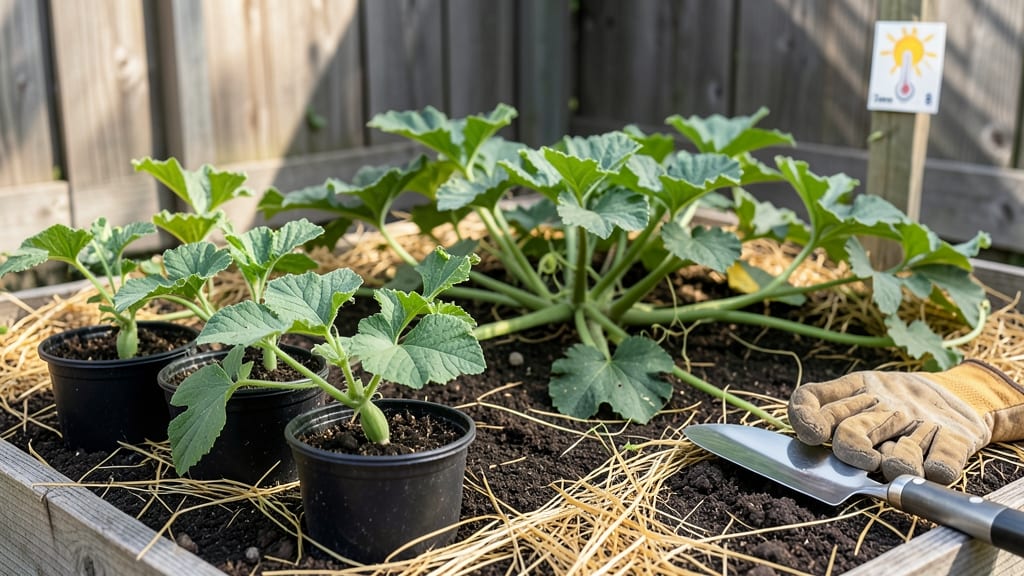
Planting watermelon in Zone 8 means timing your seeds for soil that’s at least 70°F—any earlier, and they’ll rot in the cold ground.
You’ve got about a six-week window from mid-April to mid-June to get this right, but even then, a late frost can turn your vines into a sad, stunted mess. The key isn’t just the calendar—it’s the thermometer buried in the dirt.
Skip the guesswork with exact dates tailored to your microclimate, plus tricks to jumpstart germination and stretch your harvest into early fall. We’ll cover soil tests, frost-free math, and why direct-sowing beats transplants for Zone 8 watermelons.
By the end, you’ll know not just when to plant, but how to give your 🍉 vines the fastest, juiciest start possible—no more waiting until July to taste your efforts.
Best planting dates for watermelon in Zone 8 (with soil temperature guide)
Zone 8 gardeners enjoy a long growing season perfect for watermelons, but timing is everything. Plant too early, and your seeds rot in cold soil. Plant too late, and your harvest shrinks before fall frost. The key? Soil temperature and microclimate adjustments for Northern vs. Southern Zone 8.
Watermelon seeds need soil at least 70°F (21°C) to germinate—cold soil delays sprouting or causes rot. In Zone 8, this typically means waiting until mid-April to mid-May for most areas, but exact dates vary by 100–200 miles due to elevation and coastal effects.
Northern Zone 8 (e.g., Las Vegas, Phoenix outskirts) can plant 2–3 weeks earlier than Southern Zone 8 (e.g., San Diego, Los Angeles). Coastal areas may need to wait until late May due to cooler ocean breezes.
Soil temperature is more critical than air temperature. Use a soil thermometer ($10–$15) to check depth (1–2 inches). If it’s below 70°F, wait. Black plastic mulch can warm soil by 5–10°F in 1–2 weeks.
| Zone 8 Region | Best Planting Window | Soil Temp Requirement | Frost Risk | Notes |
|---|---|---|---|---|
| Northern Zone 8 (e.g., Reno, Albuquerque) | Mid-April to early May | 70°F+ (21°C+) | Low after April 15 | Plant transplants by April 1; direct-sow after last frost. |
| Central Zone 8 (e.g., Phoenix, Tucson) | Late March to mid-April | 70°F+ (21°C+) | Very low after March 20 | Can direct-sow as early as March 15 with black plastic mulch. |
| Southern Zone 8 (e.g., San Diego, LA) | Late April to early May | 70°F+ (21°C+) | Coastal areas: minimal; inland: possible late frost | Wait until ocean fog lifts; use row covers for early starts. |
| All Zone 8 | Last chance: Late June | 70°F+ (21°C+) | High frost risk after Sept 15 | Choose fast-maturing varieties (e.g., ‘Sugar Baby’ – 70 days). |
For transplants, buy 4–6 week-old seedlings from nurseries and set them out 2 weeks before your direct-sowing date. Harden them off by moving pots outside during the day for 7–10 days before transplanting.
If you’re eager to start earlier, indoor seed starting is an option. Sow seeds 4–6 weeks before your last frost date (e.g., late February for Northern Zone 8) under grow lights. Transplant seedlings outdoors when soil warms to 70°F.
Fall planting is risky in Zone 8 but possible with fast varieties. Sow seeds in late June to early July for a harvest before frost. Use black plastic mulch to maintain soil warmth and drip irrigation to prevent stress.
Avoid planting watermelons in low-lying areas where cold air pools, even in Zone 8. Raised beds or mounds warm up faster and improve drainage. Mulch with straw after planting to retain moisture and regulate soil temperature.
Pro tip: Plant bush varieties like ‘Crimson Sweet’ in containers for patios or small spaces. They mature faster and need less room than vining types. Just ensure containers are at least 12 inches deep and have drainage holes.
🌱
How to extend your watermelon season in Zone 8 (for earlier/later harvests)
Zone 8’s mild winters and long summers make it perfect for watermelons—but you can push your harvest even further with smart timing and protective strategies. The key is understanding cold tolerance limits and using season-extending tools like row covers or indoor starts.
I’ve grown ‘Sugar Baby’ and ‘Crimson Sweet’ for years, and these techniques have doubled my harvest window.
Watermelons won’t tolerate frost, but they can handle brief 50°F (10°C) nights if established. The trick is to start early (indoors) or plant late (with protection) to avoid early-season chills. For example, I’ve had success planting transplants in late May under row covers, extending harvests into October.
If you’re aiming for an earlier harvest, prioritize indoor seed starting in late winter. I use grow lights to keep seedlings strong until transplanting. For later harvests, focus on succession planting—sow new seeds every 2 weeks from June to July.
This ensures a steady supply of fruit through September.
Don’t overlook microclimate advantages. South-facing slopes or raised beds warm up faster, giving you a 2-week head start over cooler areas. I’ve planted ‘Sugar Baby’ in raised beds as early as mid-April in my sunniest spot, with no frost issues.
For heat-loving varieties, ‘Crimson Sweet’ and ‘Sugar Baby’ are top picks—they tolerate 90°F+ (32°C+) better than most. Pair them with drip irrigation to avoid fungal issues from overhead watering. With these strategies, I’ve stretched my harvest from July to October!
Pro tip: Monitor 7-day forecasts for late frosts. If a 40°F (4°C) dip is predicted, cover plants with frost cloth or move containers indoors temporarily. A little planning goes a long way for sweet, juicy watermelons all season long. 🍉