
Plants
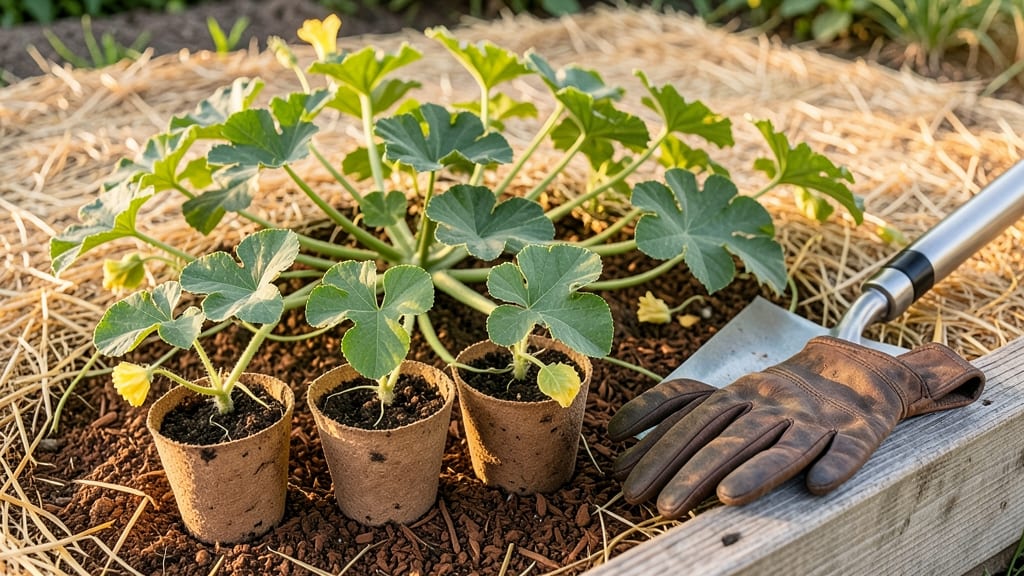
To plant watermelon in Zone 9b, aim for late February to early March when soil temperatures hit 70°F—any earlier and your seeds will rot, any later and the summer heat arrives before your vines mature.
Watermelon lovers in Zone 9b know the struggle: plant too early, and your seeds rot; wait too long, and the summer heat arrives before your vines mature. The secret to a bountiful harvest lies in understanding soil temperature triggers and planting windows that align with your region's unique climate.
Zone 9b’s 365 frost-free days mean you can plant year-round, but watermelon thrives best when soil warmth kicks in. Coastal areas like San Diego can start as early as February, while inland deserts like Phoenix should wait until March for faster germination and stronger vines.
In this guide, I’ll break down the exact soil warmth thresholds, the best varieties for your region, and how to adjust planting schedules based on weather patterns—so you can enjoy fast, juicy watermelons all summer long.
Optimal planting windows in Zone 9b based on soil temperature
In Zone 9b, where winters are mild and summers scorching, timing your watermelon planting is everything. Unlike cooler zones, you won’t face frost delays—but soil temperature still dictates success. Watermelon seeds need soil at 70°F+ to germinate, and vines thrive in consistent 80-95°F conditions.
Plant too early, and your seeds rot; too late, and your melons won’t mature before summer’s end.
Zone 9b’s frost-free status means you can plant year-round, but heat tolerance becomes your limiting factor. Most watermelon varieties need 75-90 days to mature, so late plantings risk small, underdeveloped fruit. The key? Align planting with soil warmth and heat waves—not just calendar months.
| Planting Window | Soil Temp Requirement | Best Varieties | Days to Maturity | Notes |
|---|---|---|---|---|
| Early Season (Feb-Mid March) | 70-75°F (use black plastic mulch) | 'Sugar Baby,' 'Crimson Sweet' | 70-75 days | Risk of slow germination; ideal for coastal areas |
| Mid Season (Late March-April) | 75-80°F (optimal for seeds) | 'Black Diamond,' 'Charleston Gray' | 80-85 days | Best balance of heat and moisture; peak harvest May-June |
| Late Season (May) | 80-90°F (transplants only) | 'Royal Sweet,' 'Jubilee' | 65-70 days | High heat risk; use shade cloth for young plants |
| Fall Succession (Sept-Oct) | 70°F+ (cooler nights tolerated) | 'Sugar Baby,' 'Orange Slice' | 75-80 days | Harvest before winter rains; protect from pests |
For Zone 9b gardeners, the ideal planting window is late March through April, when soil temperatures consistently hit 75-80°F. This aligns with peak watermelon growth during Zone 9b’s coolest summer months, reducing heat stress.
Early plantings in February risk slow germination and fungal diseases from lingering cool, damp soil.
If you’re in inland desert areas (e.g., Phoenix), prioritize transplants over seeds in May to avoid heat shock. Coastal Zone 9b (e.g., San Diego) can push seeds slightly earlier, thanks to moderate ocean breezes. Always monitor soil temperature for 3-5 days before planting—70°F+ is non-negotiable for germination.
Pro tip: Use black plastic mulch to warm soil 5-10°F faster than bare earth. Lay it down 2 weeks before planting to create a heat-accelerated microclimate. This is especially critical for February plantings, where soil may still hover around 65°F.
Watch for heat waves after planting—temperatures above 95°F can stunt vines and reduce fruit set. Provide afternoon shade for young plants using shade cloth (30-50% coverage). Drip irrigation keeps roots cool while delivering consistent moisture, which watermelons crave during fruit development.
For a second harvest, try fall succession planting in September. Choose fast-maturing varieties (65-70 days) to beat winter rains and pest surges. Harvest before October’s cooler nights slow vine growth—aim for cream-colored rinds and dry tendrils by late November.
Remember: Zone 9b’s long growing season is a double-edged sword. While you avoid frost, heat and pests become your biggest challenges. By planting when soil is warm enough and varieties
How to test soil warmth and adjust planting for Zone 9b success
Testing soil warmth is the single most important factor for successful watermelon planting in Zone 9b. Unlike cooler climates, your seeds need consistent warmth to germinate quickly—aim for 70°F (21°C) at a depth of 2 inches. Without this warmth, seeds may rot or take weeks to sprout, delaying your harvest.
I’ve learned the hard way that winter rains can keep soil too cool, even in March. After a wet February, I once planted seeds in early March only to see them mold in the ground.
The lesson? Always check soil temperature before planting, especially after heavy rains or cloudy spells that delay warming.
🚨 callout-warning
Zone 9b’s coastal areas (like San Diego) can warm up faster, but inland deserts (like Phoenix) need patience. After winter rains, soil can stay below 70°F for weeks. Wait until 3 consecutive days of 70°F+ soil before planting watermelon seeds.
Pro Tip: Use black plastic mulch 1-2 weeks before planting to raise soil temp 5-10°F faster.
For accurate readings, use a soil thermometer—they’re cheap ($10) and save you from failed plantings. Stick it 2 inches deep in the soil (where seeds will be) and check morning temperatures (soil cools overnight). If it’s below 70°F, delay planting by 7-10 days.
No thermometer? Try the DIY egg test: Crack a raw egg into a bowl, cover it, and place it in the garden for 30 minutes. If the egg whites coagulate (turn solid), your soil is warm enough.
If they stay runny, wait longer. This trick works surprisingly well for quick checks between thermometer readings.
Once soil hits 70°F+, adjust your planting schedule based on your Zone 9b sub-region. Coastal areas can start late February, while inland deserts should wait until mid-March.
For extra protection against late frosts (rare but possible in high deserts), use row covers or floating row covers for the first 2 weeks after planting.
Extend your growing season with black plastic mulch—it warms soil faster and suppresses weeds. Lay it down 1-2 weeks before planting to give your seeds a head start. Pair this with drip irrigation to keep soil moisture consistent, which is critical in Zone 9b’s hot, dry summers.
With these adjustments, you’ll see faster germination and healthier vines ready to handle the heat.