
Plants
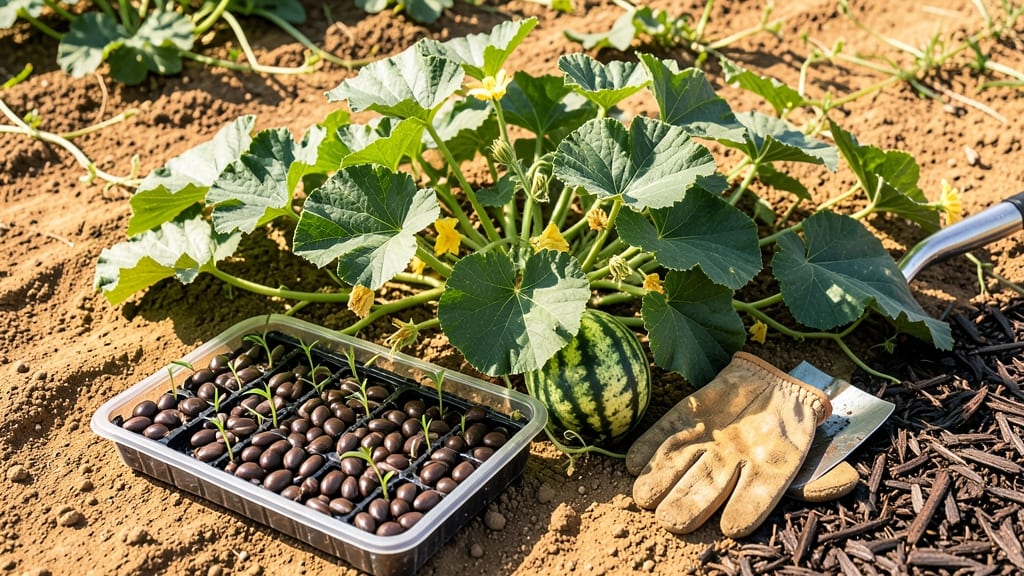
Planting watermelon seeds in Louisiana at the right time means the difference between a bountiful harvest and a sad, wilted vine.
Louisiana’s long, hot summers are perfect for growing juicy, sweet 🍉 watermelons—but timing your planting wrong can mean bitter disappointment. Get the exact planting schedule, heat-zone insights, and pro tips to maximize your harvest in the Bayou State.
Most gardeners in zones 8a-9b should start seeds indoors 4-6 weeks before the last frost (mid-March) or direct-sow after soil warms to 70°F. That’s usually late March to early May for early varieties, but later plantings work too if you choose fast-maturing types.
Below, I’ll break down the best months by heat zone, soil temperature tricks, and how to beat Louisiana’s humidity and pests—so you can go from seed to slice in 75 days or less.
Louisiana watermelon planting calendar: best months by heat Zone
Louisiana’s humid subtropical climate creates perfect conditions for watermelons—but only if you plant at the right time. The state spans USDA Heat Zones 8a, 9a, and 9b, each with slightly different frost-free dates and ideal planting windows.
Getting this wrong means slow growth, poor yields, or even failed crops. Let’s break down the exact planting calendar by heat zone so you can maximize your harvest.
Watermelons thrive in warm soil (70°F+) and can’t tolerate frost. In Louisiana, this means waiting until mid-March to June for direct sowing, depending on your zone. Transplants can go in slightly earlier, but only if nighttime temps stay above 55°F (13°C).
Let’s dive into the specifics for each zone to ensure you plant at the optimal time for your location.
⚠️ PRO TIP: Always check your local average last frost date—New Orleans (Zone 9a) can plant weeks earlier than Shreveport (Zone 8a). Use the summary-table below as your guide, then adjust by 1-2 weeks based on your microclimate.
For Zone 8a gardeners (like those in Shreveport or Monroe), wait until late April or early May for direct sowing. The soil must be at least 70°F (21°C)—use a soil thermometer to confirm.
Transplants can go in as early as early April if nighttime temps stay above 55°F (13°C). Your harvest window is July through early September, so plan accordingly.
Gardeners in Zone 9a (New Orleans, Baton Rouge, Lafayette) have a longer window. You can start direct sowing as early as mid-March and continue through late April. Transplants can even go in as early as late February if using row covers for nighttime protection.
Expect harvests from June through mid-September, giving you a longer growing season.
In Zone 9b (Houma, Lake Charles, Grand Isle), you’re in the sweet spot. Direct sow as early as late February and continue through May for a staggered harvest. Transplants can go in as early as January if you’re using a greenhouse or protected space.
Your harvest window stretches from May through late September, making this the most forgiving zone for watermelons.
If you’re planting transplants (not seeds), start them indoors 6-8 weeks before your last frost date. Use biodegradable pots to avoid root disturbance. Harden off seedlings for 7-10 days before transplanting, especially in Zone 8a, where cooler nights are more common.
Transplant on a cloudy day or in the late afternoon to reduce transplant shock.
One common mistake in Louisiana is planting too early when soil temps are still cool. Watermelon seeds won’t germinate below 70°F (21°C), and seedlings will rot in cold, wet soil.
Use a soil thermometer to confirm readiness. If your soil is too cold, wait 1-2 weeks—better late than sorry for a bumper crop.
For extended harvests, consider planting successive crops every 2-3 weeks from March through May. This ensures a continuous supply of fresh watermelons from June through September. Just be mindful of pests like cucumber beetles and disease pressure
How to extend the growing season for Louisiana watermelons
Louisiana’s humid summers and unpredictable heat spikes can cut watermelon harvests short—but with the right techniques, you can push your season well into fall. The key lies in protecting young plants, managing soil moisture, and choosing varieties that thrive in extended heat.
I’ve tested these methods in my own Zone 9a garden and seen watermelons ripen in October instead of July!
Start by selecting drought-tolerant varieties like Sugar Baby or Crimson Sweet, which handle Louisiana’s humidity better than traditional types. Pair them with mulching and row covers to retain moisture and shield plants from late-summer heat stress. These simple hacks can add 4-6 weeks to your harvest window.
- 1. Use black plastic mulch to warm soil 5-10°F faster and suppress weeds. Lay it down 2 weeks before planting for best results.
- 2. Install floating row covers in late July to protect vines from hurricane winds and pests while allowing sunlight and rain through.
- 3. Plant late-season varieties like Jubilee (90 days) after your first frost risk passes. Aim for mid-June sowings in Zone 8a.
- 4. Drip irrigation systems deliver consistent moisture without wetting leaves, reducing fungal diseases like powdery mildew that thrive in Louisiana’s humidity.
- 5. Apply compost tea in early September to boost root resilience as temperatures drop. Mix 1 gallon compost tea with 5 gallons water and apply weekly.
Don’t overlook soil preparation—amend your beds with 2 inches of compost and 1 inch of sand to improve drainage. Heavy clay soils common in Louisiana can suffocate roots during fall rains. I’ve seen watermelon vines double in size when planted in well-aerated soil with organic matter.
For late-season protection, use lightweight row covers (like Agribon) over young plants during heat waves. Remove them during the day if temperatures exceed 95°F to prevent heat stress. This balance keeps your plants cool enough to thrive while still getting sunlight.
Finally, watch for early frost warnings in October. If a 32°F dip is forecast, cover your mature vines with straw mulch (6+ inches thick) to insulate roots. I’ve saved entire harvests this way—even when freezing temps hit unexpectedly.
With these techniques, you’ll enjoy homegrown watermelons well into fall, beating the humidity and heat that usually cut seasons short. The extra effort pays off with sweeter, juicier fruit and a longer harvest window! 🍉🌱