
Plants
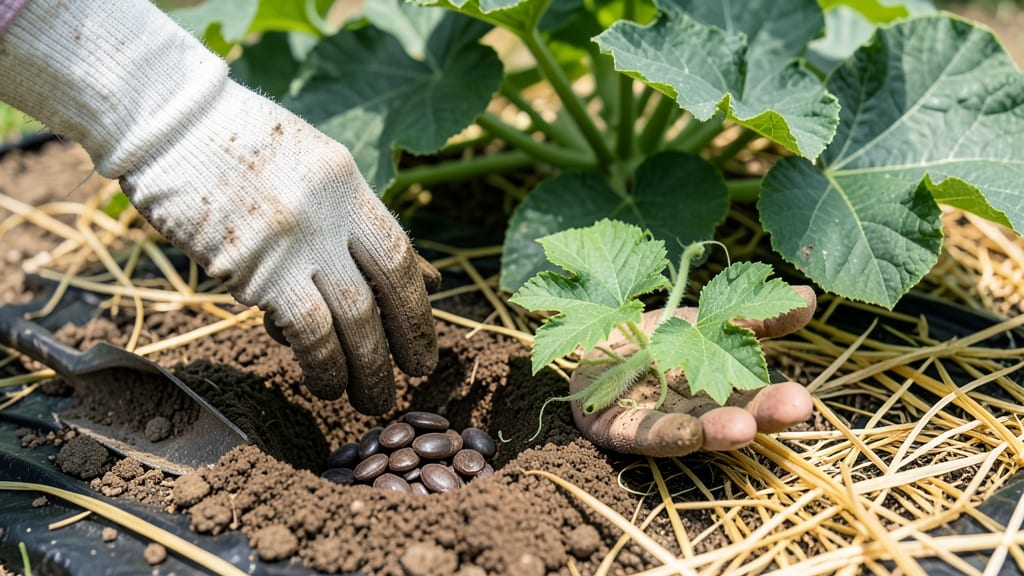
Planting watermelon seeds in Missouri after the last frost date—typically late April to early May—sets you up for a fast harvest before summer heat peaks.
Missouri’s unpredictable spring weather can turn your watermelon dreams into a gamble—but timing your seeds just right ensures fast germination and a bountiful harvest. Master these soil temperature secrets to avoid frost-killed seedlings and maximize your garden’s potential.
Most gardeners in Missouri’s 5b-6b zones wait until soil temperatures hit 70°F or higher, which usually aligns with late May for northern regions and early May in southern areas. A soil thermometer is your best friend here—skipping this step often means slow starts or worse, seedlings that never emerge.
Inside, you’ll discover the exact 3-step process to plant watermelon seeds for fast growth, plus Missouri-specific tips to outsmart humidity, pests, and uneven soil conditions. Ready to grow juicy, vine-ripened 🍉 in your backyard?
Missouri’s ideal soil temperature range for watermelon germination
Watermelon seeds need warm soil to sprout quickly—typically between 70°F and 90°F. In Missouri, this window is critical because cool spring nights can stall germination, leaving your seedlings vulnerable to frost.
I’ve learned that waiting for soil to reach 70°F (21°C) is non-negotiable; anything below 60°F (15°C) risks seeds rotting in the ground.
Missouri’s frost-free dates vary by region: northern areas like St. Joseph average last frost around April 15, while southern zones like Poplar Bluff see frost-free conditions by March 15. However, soil warms slower than air temperature, so don’t rush planting—use a soil thermometer to confirm readiness before sowing.
The 70–90°F range isn’t just ideal—it’s essential. Seeds planted in 60°F soil may take 10+ days to germinate, while 80°F soil can produce sprouts in just 3–5 days.
In my USDA Zone 6a garden, I’ve seen watermelon seeds fail entirely when planted too early, even if air temperatures seemed warm.
Here’s the golden rule: Wait until your soil thermometer consistently reads 70°F or higher for at least 5 consecutive days. This usually aligns with late May in northern Missouri and mid-April in the Bootheel region. Pro tip: Check temperatures in the late afternoon when soil is warmest.
| Region | Avg. Last Frost | Ideal Planting Window | Soil Temp Requirement | Germination Time |
|---|---|---|---|---|
| Northern MO (St. Louis, Kansas City) | April 20–May 5 | Late May–Early June | 70–85°F (21–29°C) | 5–10 days |
| Central MO (Columbia, Springfield) | April 10–April 25 | Mid-May–Late May | 70–88°F (21–31°C) | 4–8 days |
| Southern MO (Poplar Bluff, Cape Girardeau) | March 15–April 5 | Early April–Mid-May | 75–90°F (24–32°C) | 3–6 days |
Southern Missouri’s warmer microclimate lets you plant 2–4 weeks earlier than northern areas. For example, in Cape Girardeau, I’ve successfully planted watermelon seeds by mid-April when soil hits 75°F, while St. Louis gardeners should wait until late May.
Always adjust for microclimates—south-facing slopes warm faster than low-lying areas.
If you’re unsure about soil temperature, use black plastic mulch to warm the soil 5–10°F faster than bare ground. I cover my beds with mulch 2 weeks before planting to create a warmer environment for seeds.
For container gardening, place pots in full sun and use dark-colored containers to absorb heat.
Missouri’s humidity can also affect germination. High moisture levels in cool soil create the perfect conditions for seed rot. To prevent this, ensure your planting area has good drainage and avoid overwatering until seeds sprout. Once germination starts, keep soil consistently moist (not soggy) to support rapid vine growth.
For late varieties, you can extend your growing season by planting in early July—just ensure you have 90+ days until your area’s first frost. In northern Missouri, this means harvesting by mid-September, while southern regions can push harvests into October.
Always check your frost-free date calculator for precise timing.
Remember: Patience pays off. Rushing into planting when soil is too cool wastes seeds and time. I’ve lost count of the failed watermelon batches from planting too early—now I religiously check soil temps and adjust my schedule.
With the right timing, you’ll enjoy juicy, homegrown watermelons in no time! 🍉
Step-by-step guide: how to plant watermelon seeds in Missouri’s climate
Missouri’s short growing season demands precision when planting watermelon seeds. The key is balancing soil warmth, frost-free dates, and seedling protection to ensure a successful harvest. With the right approach, you can enjoy juicy watermelons from July through September—even in Missouri’s variable climate.
Let’s break down the exact steps to plant your seeds for maximum success.
First, confirm your last frost date (typically around April 15 in most of Missouri). Watermelons are heat-loving plants that won’t germinate until the soil reaches 70°F (21°C). In northern Missouri, this often means waiting until mid-to-late May, while southern regions can start as early as late April.
Always use a soil thermometer to verify before planting.
Test your soil’s pH (watermelons thrive in 6.0–6.8) and amend with compost or aged manure for fertility. Missouri’s clay-heavy soils benefit from adding sand or perlite to improve drainage.
Select a south-facing spot with full sun (6+ hours daily). In Missouri, this means avoiding shaded areas near trees or buildings. Raised beds work well for poor-draining soils common in northern Missouri.
Plant seeds 1 inch deep and 6 inches apart in hills spaced 3–4 feet apart. This spacing gives vines room to spread (up to 6–10 feet) without crowding. Use 3–4 seeds per hill for better germination rates.
After planting, cover seedlings with frost cloth or row covers if nighttime temperatures drop below 50°F (10°C). In Missouri, late frosts can occur until May 10, so have covers ready. Remove them during the day for sunlight.
Plant marigolds or nasturtiums nearby to deter pests like cucumber beetles. Avoid planting near potatoes, as they compete for nutrients. In Missouri’s humid climate, companion plants also improve air circulation, reducing fungal diseases.
Water deeply (1–2 inches) every 2–3 days, focusing on the soil—not the leaves—to prevent fungal issues. Apply mulch (straw or black plastic) to retain moisture and suppress weeds, which is especially critical in Missouri’s hot summers.
Once seedlings reach 2–3 inches tall, thin to the strongest plant per hill. This reduces competition and ensures healthier vines. In Missouri’s competitive garden beds, thinning early prevents stunted growth.
Missouri’s humid summers and occasional late frosts can challenge watermelon growers, but following these steps ensures your seeds germinate quickly and your plants thrive. Remember to monitor soil moisture—consistent watering is key during flowering and fruiting.
With patience and the right timing, you’ll be slicing into homegrown watermelons by mid-summer!
Pro tip: Start seeds indoors in biodegradable pots 2–3 weeks before your last frost date if you’re in northern Missouri. This gives seedlings a head start before transplanting outdoors. Just be sure to harden them off for 7–10 days before moving to the garden.