
Plants
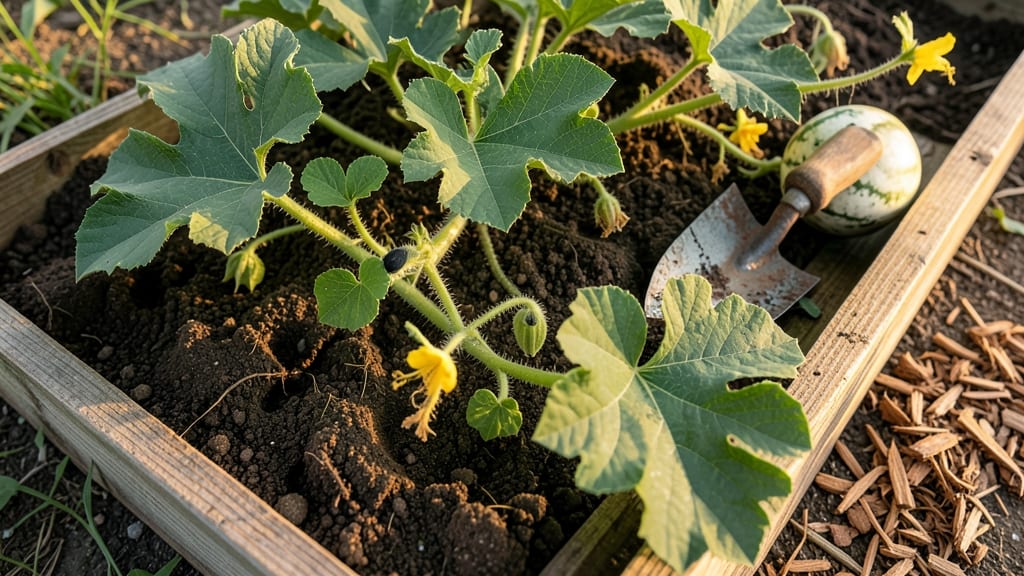
Planting watermelon seeds in Zone 7 after the soil hits 70°F is the fastest way to guarantee strong germination and a bountiful harvest—skipping this step means waiting weeks for slow, unreliable sprouts.
I’ve watched 🍉 seeds sit for days in cool soil, only to give up and replant—until I learned the secret trigger. The right timing isn’t just about dates; it’s about heat, and Zone 7’s mid-April to early June window is where the magic happens.
Here’s what you need to know: soil temperature matters more than the calendar, frost risks lurk until April 15, and a few simple tricks can shave 10 days off your wait time. Let’s break it down so you skip the guesswork and get those vines growing.
You’ll learn exactly when to plant for fast germination, how to test soil heat without a fancy thermometer, and whether starting indoors or direct-sowing works best in Zone 7. No more wasted seeds—just reliable, juicy results.
Optimal soil temperature for watermelon germination in Zone 7 (with exact degree ranges)
Watermelon seeds are famously picky about soil temperature, and getting this wrong in Zone 7 can delay germination by weeks—or worse, kill your seeds before they sprout.
Unlike cool-season crops, watermelons (Citrullus lanatus) need warm soil to trigger germination, and Zone 7’s spring soil warms unevenly, making timing critical.
I’ve planted hundreds of watermelon seeds and learned the hard way: 50°F (10°C) soil is the absolute minimum, but seeds won’t germinate reliably until you hit 70°F (21°C).
The key to success lies in understanding these three temperature thresholds: the minimum (where seeds might sprout), the ideal (where germination is fastest and most uniform), and the maximum (where seeds risk overheating).
In Zone 7, your soil will fluctuate wildly between 40°F (4°C) in early spring and 90°F (32°C) in summer, so knowing exactly when to plant is non-negotiable. Let’s break down the science—and how to test your soil’s readiness like a pro.
Most gardeners in Zone 7 make the mistake of planting too early, assuming their soil is warm enough. But Zone 7’s last frost date (April 15) doesn’t mean your soil is ready—it’s often 10–15°F cooler than the air temperature.
I once planted watermelon seeds on April 10, thinking I was ahead of the game, only to watch them rot in the cold, damp soil. Always test your soil temperature with a soil thermometer (insert it 2 inches deep for accurate readings), and wait until it hits at least 70°F (21°C) for reliable germination.
If your soil is still too cool in late May, don’t panic—there are three proven ways to warm it up faster. First, use black plastic mulch (lay it down 1–2 weeks before planting) to raise soil temps by 5–10°F.
Second, plant in raised beds, which warm up 2–3 days earlier than in-ground soil. Third, try seed soaking: soak watermelon seeds in warm water for 4–6 hours before planting to jumpstart germination. I’ve seen seeds sprout in 3 days when using these tricks in 65°F (18°C) soil.
Timing your planting isn’t just about soil temperature—it’s also about day length. Watermelons need longer days (14+ hours of light) to thrive, which is why late May is the sweet spot in Zone 7.
Planting too early (before May 15) risks slow growth and poor fruit set, while planting too late (after June 1) may not give your melons enough time to mature before Zone 7’s first frost (October 15).
Aim for 75–90 days to harvest, depending on the variety—Sugar Baby matures in 70 days, while Crimson Sweet takes 85 days.
One of the biggest myths is that watermelon seeds can handle cool nights. They can’t. Even if your soil is warm during the day, nighttime temps below 55°F (13°C) will stall germination. Use a row cover or <
Best planting months in Zone 7: a month-by-month guide to avoid early/frost risks
Timing is everything when planting watermelons in Zone 7, where last frost dates around April 15 and first frost near October 15 create a tight growing window. Plant too early, and chilly soils will delay germination or kill seedlings.
Too late, and your vines won’t mature before frost. The key is balancing soil warmth (70°F+) with frost-free days (aim for 120+ days to harvest).
Most Zone 7 gardeners succeed by planting watermelon seeds directly in the garden between mid-April and early June, but your exact timing depends on microclimate and variety. Dwarf varieties like 'Sugar Baby' can handle slightly cooler soils, while standard vining types need perfect conditions.
Below, I’ll break down the best months, frost risks, and how to extend your season with simple tools like black plastic mulch or row covers.
- March (Late): Start seeds indoors (4-6 weeks before last frost) for transplanting in early April. Use grow lights to prevent leggy seedlings. ⚠️ Only try this with dwarf varieties—standard vines struggle in containers.
- April (Mid-Late): Direct-sow seeds when soil reaches 70°F+ (use a soil thermometer to check). Ideal for early-maturing varieties like 'Early Red Freckles' (70 days to harvest). Cover seedlings with row fabric if nights dip below 50°F.
- May (Early): Peak planting month for most varieties. Soil stays warm, and daylength triggers faster vine growth. Use black plastic mulch to warm soil 5-10°F faster than bare ground.
- June (Early): Last chance for late-season varieties (e.g., 'Moon and Stars'). Plant near trellises or containers to save space. Expect smaller yields but sweeter fruit from longer ripening.
Zone 7’s frost risks shift dramatically month-to-month. In April, late frosts can still hit, so protect seedlings with row covers or move potted starts indoors overnight. By May, frost danger drops, but unpredictable cold snaps (especially at higher elevations) can still threaten young plants.
I’ve had 30°F nights in late May—always keep emergency frost cloth on hand.
If you’re tempted to plant earlier (e.g., March), use black plastic mulch to raise soil temps 10°F+ faster than uncovered beds. Lay it down 2-3 weeks before planting and secure edges with soil or bricks.
For late plantings in June, choose heat-tolerant varieties like 'Crimson Sweet' and water deeply at soil level to prevent sunscald on young vines.
For container growers, extend your season by planting in large black pots (15+ gallons) and moving them to sunniest spots during the day, then insulating with bubble wrap at night.
Dwarf varieties like 'Tiny Tim' thrive in containers but still need full sun and consistent watering—they dry out 3x faster than in-ground plants.
Remember: Watermelons need warmth to germinate and grow. If your May soil temps dip below 65°F for more than a week, delay planting until conditions improve. Use a soil thermometer for 3 consecutive days at 70°F+ before committing to seeds. Patience now means juicy harvests in July—not wasted effort.